Fake accounts no shield from justice, court warns in landmark ruling
Woman sentenced after creating fake Facebook profile used to sexually humiliate another woman in a landmark cyberbullying case.
Tuesday 10 November 2026 | 17:00
Updated 10 November 2026 | 18:22 FJT

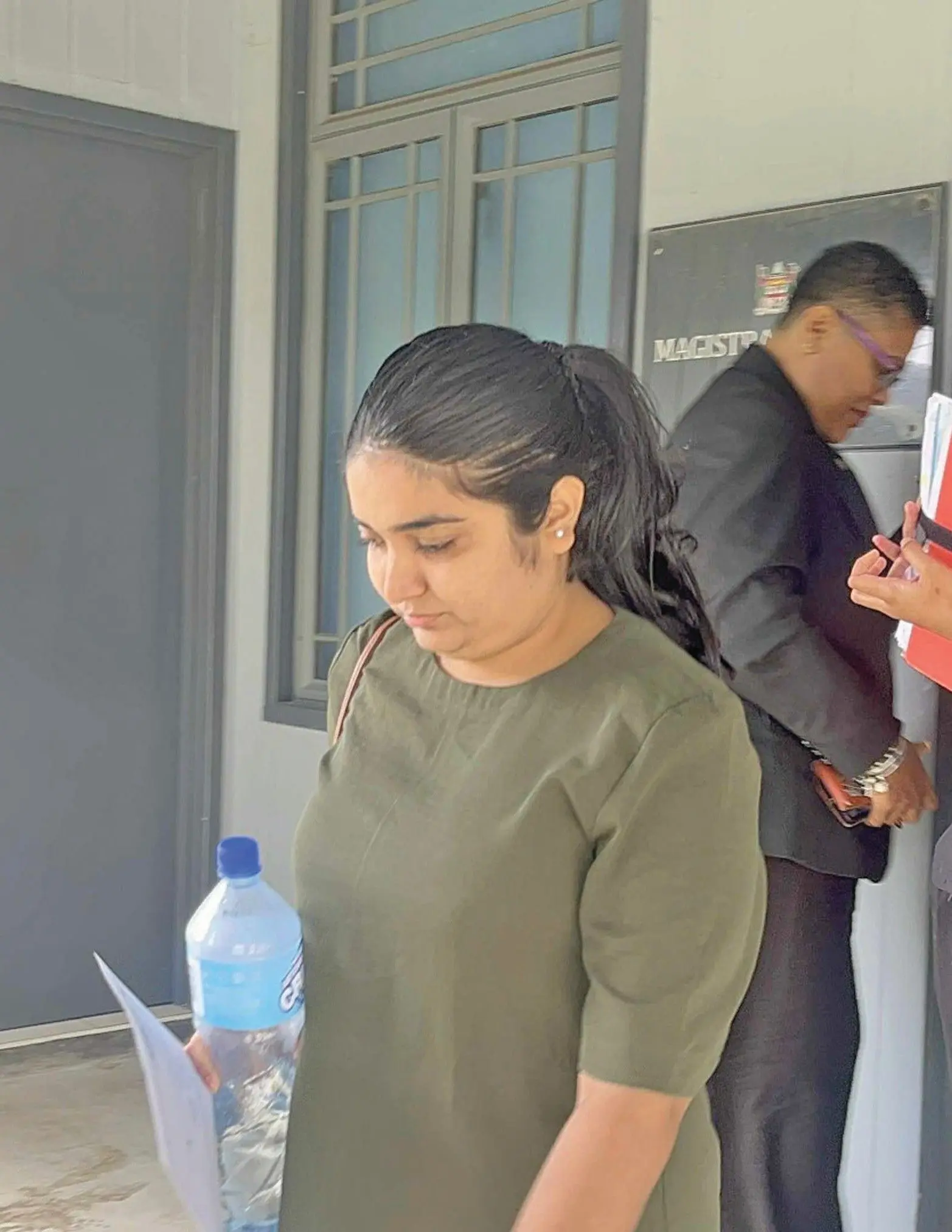
Accused Archaal Devi on October 16, 2025.
Photo: Beranadeta Nagatalevu
The Suva Magistrate Court has warned social media bullies that hiding behind fake accounts will not protect them from police detection and prosecution.
The warning came during the sentencing of Archaal Devi, who was handed a partially suspended nine-month sentence for creating a fake Facebook account to sexually humiliate another woman in 2023.
The case, described as the first of its kind prosecuted under the Online Safety Act 2018, was heard before Resident Magistrate Yogesh Prasad last Wednesday.
Related stories
Devi pleaded guilty to one count of causing harm by posting electronic communication. She admitted creating a fake Facebook profile and uploading photographs of the complainant with defamatory and sexually explicit captions.
The account portrayed the complainant as a sex worker and contained offensive posts and comments intended to humiliate her and damage her reputation. It also featured manipulated images created using a mobile photo-editing application and was accessible to numerous Facebook users.
Digital forensic evidence linked the account to Devi’s mobile phone through a Cellebrite extraction report.
Investigators found that the manipulated images had been created using the Collageable application installed on her iPhone. Photographs of the complainant had been uploaded through the application before being used on the fake Facebook profile.
The court heard that the abuse had severe consequences for the complainant, including psychological trauma and suicide attempts.
Her reputation was damaged, her personal and family relationships were affected, and she suffered financial losses.
In sentencing, Magistrate Prasad described online abuse and cyberbullying as serious offences capable of causing lasting psychological harm.
The court identified several aggravating factors, including the deliberate and sexually degrading nature of the posts, the use of a fake account, the public dissemination of the material and the significant harm caused to the complainant.
However, the court also considered Devi’s early guilty plea, genuine remorse, lack of previous convictions and status as a young first-time offender.
Devi was credited with three months of the nine-month sentence, which she had already served while awaiting the outcome of her case.
The remaining six months were suspended for two years, with the court taking into account sentencing authorities relating to first-time offenders and rehabilitation.
Magistrate Prasad said the sentence was intended to punish Devi, deter similar offending and make clear that people who hide behind fake social media accounts could still be identified and prosecuted.