Prosecution opposes separate trial bid by former FRCS customs chief
Defence says separate hearing needed to ensure a fair trial after co-accused admissions.
Wednesday 29 July 2026 | 14:30
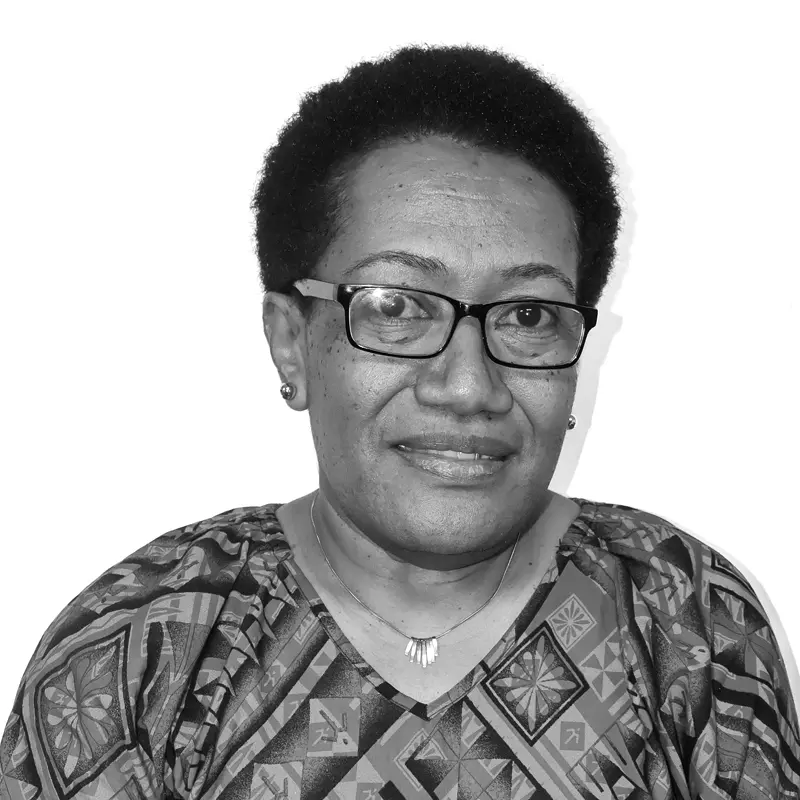
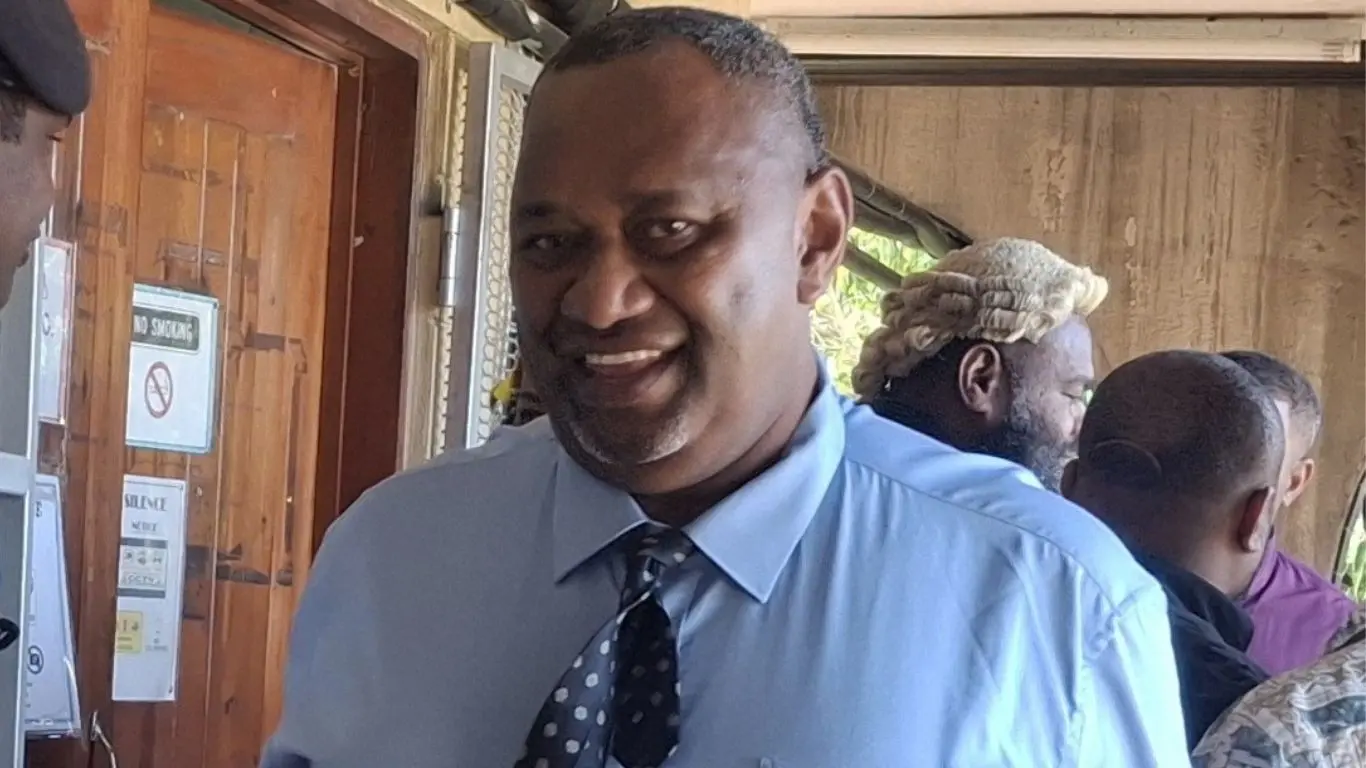
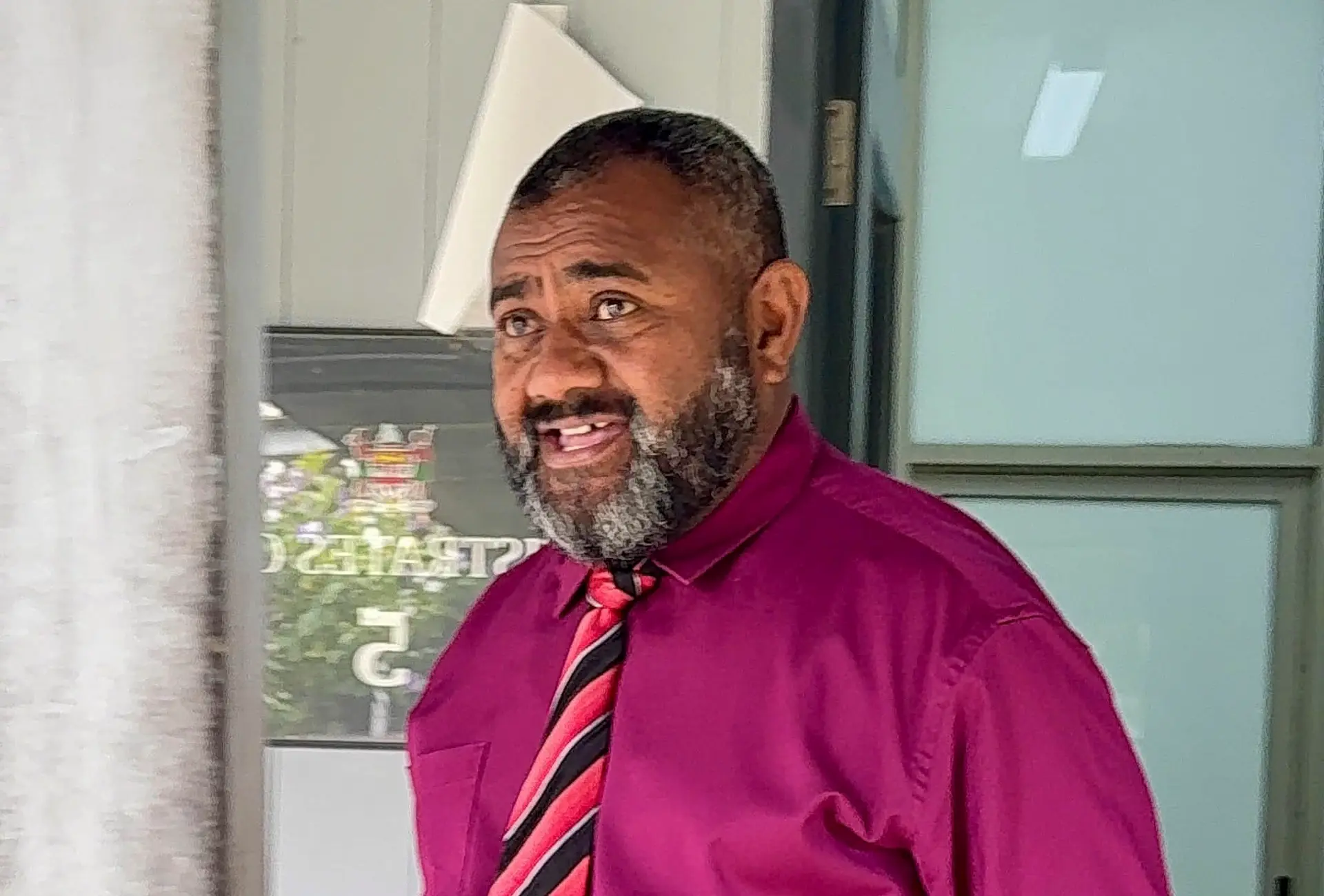
Former Fiji Revenue and Customs Service chief customs officer Osea Raikama Dakai at the High Court in Lautoka on July 29, 2026.
Photo: Mereleki Nai
The State prosecution has opposed an application by former Fiji Revenue and Customs Service (FRCS) chief customs officer Osea Raikama Dakai for a separate trial in a case involving the alleged importation of more than 4.8 kilograms of methamphetamine.
The matter came before Justice Aruna Aluthge in the High Court in Lautoka today.
Dakai is charged with unlawfully importing 4.8685kg of methamphetamine between March 30 and May 16, 2025, in Nadi. He also faces a charge of engaging in the importation of illicit drugs.
Related stories
He is further charged with breach of secrecy. The prosecution alleges that between May 3 and May 16, 2025, in Suva and Nadi, he unlawfully disclosed confidential information obtained during the course of his employment with the Fiji Revenue and Customs Service.
Dakai is jointly charged with Nigerian national Chukwuemeka Ikenna Phabian, Apenisa Laisave Matadigo, Uraia Tuidama Bolalailai and Neumi Donumainasava.
Matadigo, Bolalailai, Donumainasava and Dakai are jointly charged with engaging in the importation of methamphetamine between March 30 and May 16, 2025, in Suva and Nadi.
Two other accused, Are Tania and Viliame Nalagi, have been granted immunity and are expected to testify for the prosecution. Dakai was represented by Mosese Naivalu, while John Rabuku appeared for the State.
Mr Naivalu argued that Dakai should be tried separately because some of the co-accused had admitted their involvement in the alleged offending.
"The other accused persons have admitted their involvement in the offence. His role was just tracking the shipment. In fairness to the accused, he should be tried separately from the co-accused who have admitted to their offending," he submitted.
Mr Naivalu also told the court Dakai had an explanation for his actions, which was why he did not challenge his cautioned interview.
Mr Rabuku opposed the application, arguing that statements made by co-accused during police interviews were not admissible as evidence against Dakai.
"Any allegations by the co-accused in an out-of-court statement cannot be used against him," he said. "There is no spillover prejudice that the applicant is talking about."
Mr Rabuku said the interviews with the accused had already been ruled admissible by the court but maintained that any references to Dakai made by co-accused during those interviews were not evidence against him.
He said Dakai had explained his own position during his interview, while the State alleged he used confidential departmental information to assist those involved in the alleged drug syndicate.
"Our allegation is that when you began to track that consignment or when you began to provide that information, you became complicit in that whole syndicate," Mr Rabuku submitted.
He argued there was no legal basis for ordering a separate trial despite Dakai's alleged lesser role.
"We feel there shouldn't be a separate trial," he said. Justice Aluthge adjourned the matter to August 12.