170,000 litres of water delivered to drought-hit islands
Mr Saukuru said access to clean water remained essential for families, particularly children, elderly residents and those relying on local health facilities.
Saturday 10 October 2026 | 14:30

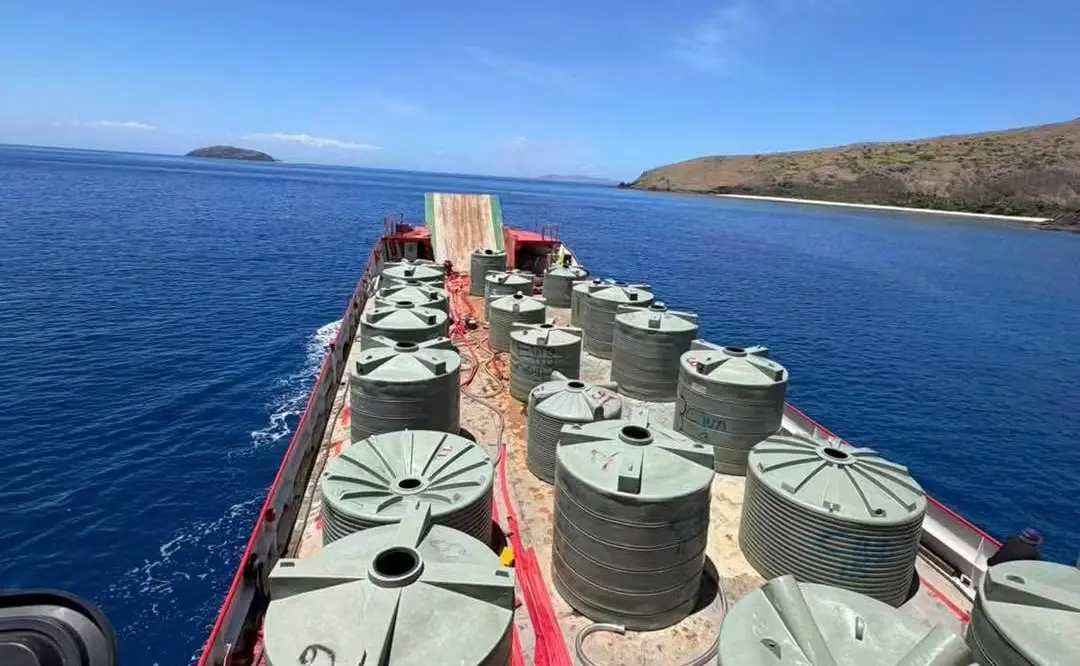
More than 170,000 litres of water has been delivered to villages, schools and health facilities on Malolo, Yanuya and surrounding western maritime communities following prolonged water shortages.
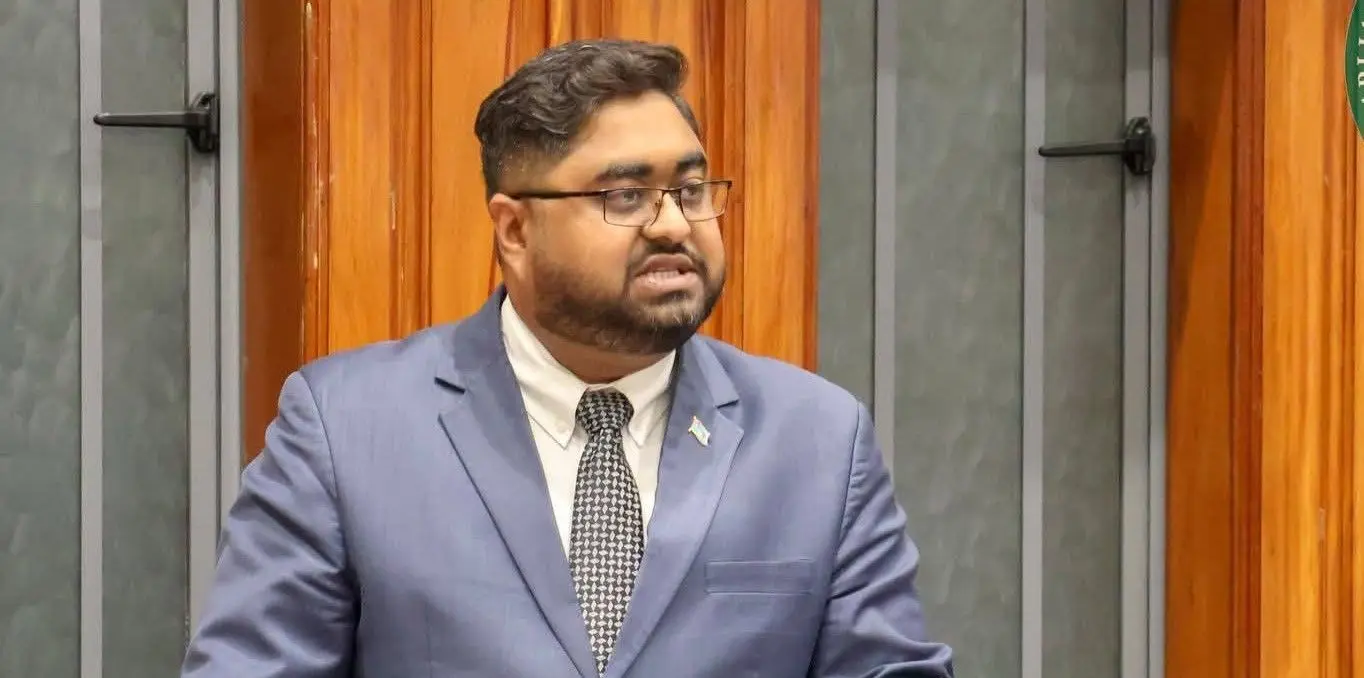
Minister for Youth and Sports Jese Saukuru while confirming the latest relief effort, said the delivery followed concerns raised by communities struggling to access adequate water during the dry conditions.
“Two days ago, I shared with you that help had arrived in the Yasawa Islands following the concerns raised by our communities over the on-going water shortages,” Mr Saukuru said.
Related stories
“Today (Friday), I want to share a further update from the Water Authority of Fiji that 170,000 litres of water have been delivered to communities, schools and health facilities across Malolo, Yanuya and surrounding maritime areas.”
The water-carting operation is assisting 11 locations, including Ratu Lalabalavu Secondary School, Malolo District School, Malolo Health Centre, Solevu Village, Yaro Village, Yanuya Village, Mamanuca Primary School, Yanuya Nursing Station, Tavua Village, Motu Kindergarten and SDA Primary School on Mana Island.
Mr Saukuru said access to clean water remained essential for families, particularly children, elderly residents and those relying on local health facilities.
“For our families living in these maritime communities, access to clean and reliable water is not a luxury. It is a basic necessity,” he said.
He acknowledged WAF, relevant government ministries, National Disaster Management Office, district officers and response teams for coordinating the deliveries.
With dry conditions continuing, WAF will assess community needs and coordinate further water deliveries where necessary.
While the latest supply provides relief, continued monitoring and timely assistance will remain important to ensure vulnerable maritime communities have access to water for their daily needs.