Do not play around with sex, university students told
Dr Cati said Fiji’s HIV epidemic had escalated over the past decade, with young people accounting for a significant proportion of new infections.
Monday 17 August 2026 | 08:30


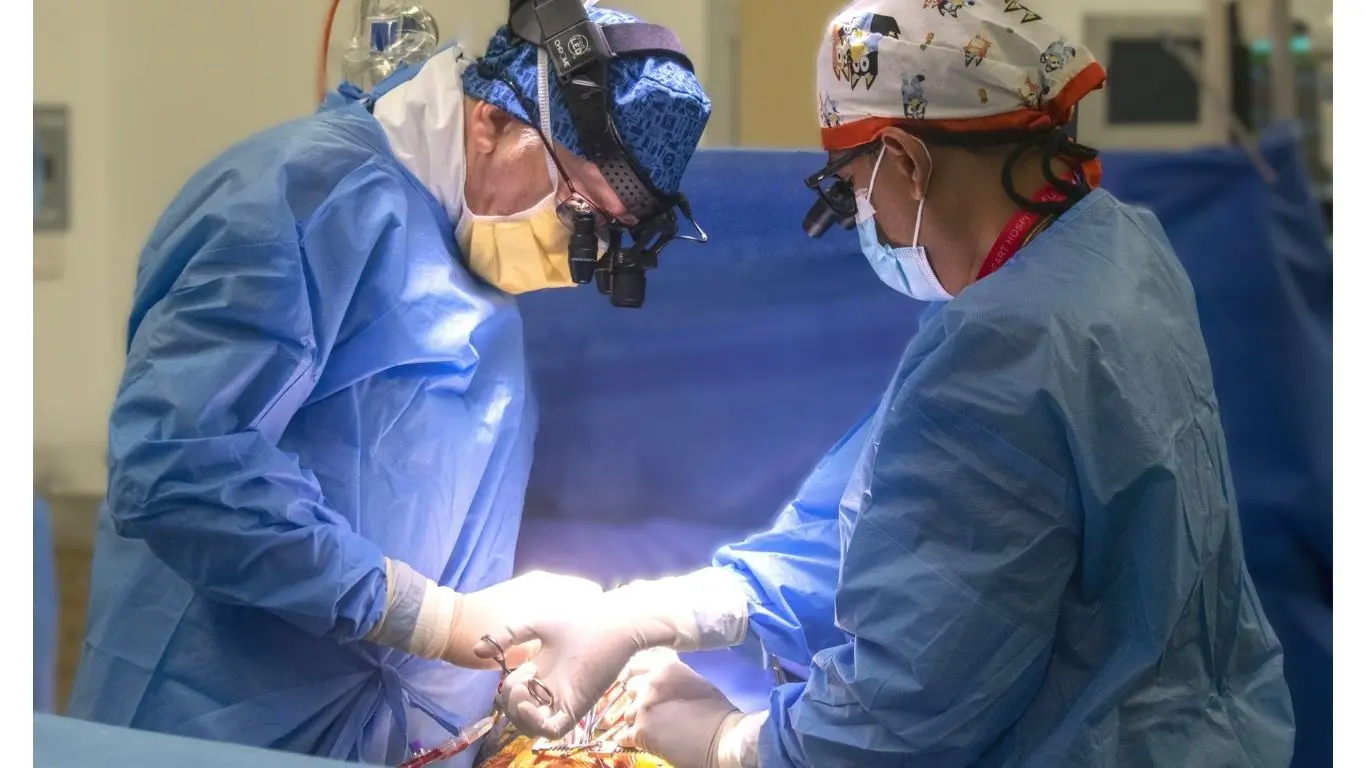
Dr Cati (pictured right) said Fiji’s HIV epidemic had escalated over the past decade, with young people accounting for a significant proportion of new infections.
“Do not play around with sex. Be faithful only to one partner, please.”
This was the advice from Dr Vasitia Cati to University of Fiji students as she warned them about risky sexual behaviour amid Fiji’s rising HIV cases.
“But if you would like to go and fish in the pond, condomize,” she said.
Related stories
Dr Cati, head of the Obstetrics and Gynaecology Department and consultant obstetrician and gynaecologist at Aspen Medical-managed Lautoka Hospital, delivered the message during an awareness session at the UniFiji campus in Saweni, Lautoka, last Friday.
She spoke on women’s health, HIV and preventing mother-to-child transmission as part of the Fiji HIV Prevention Campaign.
Dr Cati said Fiji’s HIV epidemic had escalated over the past decade, with young people accounting for a significant proportion of new infections.
“Last year, in 2025, Fiji recorded the highest annual number of newly diagnosed cases at 2,016. This represents a 27% increase from 1,583 in 2024. The cumulative number of cases from 1989 to last year was 5,676 cases,” she said.
“UNAIDS estimated that this year we will have a cumulative total of 9,000 HIV cases.”
She said people aged 20 to 24 accounted for the largest proportion of newly diagnosed infections last year, at 32 per cent.
“Last year’s data showed that there were 117 HIV-related deaths. Sadly, only 56% of people living with HIV accessed antiretroviral therapy,” she said.
Dr Cati also highlighted the impact of HIV on children.
She said 67 paediatric cases were recorded, with 59 attributed to mother-to-child transmission.
Last year, 332 pregnant women were diagnosed with HIV, she said.
Dr Cati said Fiji had an 18 per cent vertical transmission rate.
“Fiji is third with 18 percent. The number of children infected through mother-to-child transmission has increased over the years,” she said.
“In 2023, there were only eight cases; in 2024, 32 cases; and last year, 59 cases. This is a seven-fold increase over these two years, from 2023 to 2025.”
She said a national HIV-related mortality audit in children was conducted in March this year.
“There were 18 HIV deaths,” she said.
“Seventeen of these 18 deaths were related to late or missed linkages to vertical transmission preventive services, and one was confirmed HIV-positive, which was found post-mortem.”
Dr Cati said the case fatality rate for HIV deaths in children was 30 per cent.
“Basically, this means that when a child is diagnosed, 30% of these new diagnoses will result in death within one year of the diagnosis,” she said.
She then returned to her message of prevention, particularly for students who could become Fiji’s future parents.
“So, to you, the future parents of tomorrow, please don’t get infected,” Dr Cati said.
“Refrain from risky behaviours.
“If you are not thinking of having children, don’t play around with sex. Be faithful only to one partner, please.
“But if you would like to go and fish in the pond, condomize.”