Drone monitoring under scrutiny in security law review
Security Industry Act 2010 review to help reduce defamation, encroachment
Sunday 16 August 2026 | 07:30

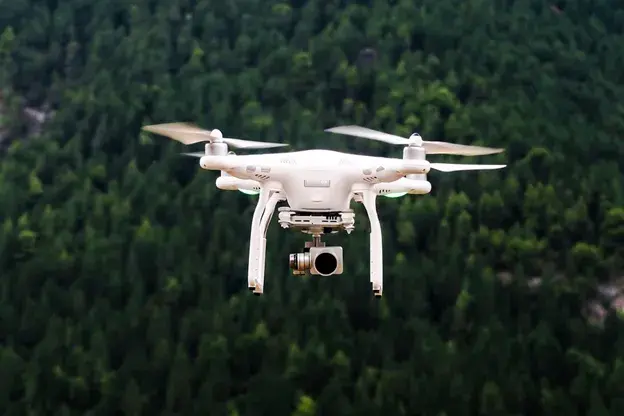
The use of sophisticated drones to be monitored as compulsory compliance by CAFF
Supplied
Every drone operating in Fiji should be monitored to ensure compliance with aviation laws and prevent access to restricted areas, Fiji Law Reform Commissioner Ana Rokomokoti says.
Ms Rokomokoti raised the issue during public consultations on the review of the Security Industry Act 2010 in Labasa on Thursday.
She said whether drones were used to capture aerial photographs or videos for leisure, business or investigative purposes, they should operate within the law.
Related stories
However, she said not all drones were currently monitored when in operation, an area the review aimed to strengthen through greater compliance.
Drones are required to be registered with the Civil Aviation Authority of Fiji (CAAF), with users required to meet compliance requirements to operate them.
The review is also considering companies involved in the sale and installation of CCTV systems, drones and biometric technology as part of the wider private security industry.
About 3000 companies are registered as private security service providers, but fewer than 100 are licensed.
Ms Rokomokoti said the review would need to consider stronger monitoring and compliance requirements for drone users, including the installation of tracking chips to allow surveillance by CAAF.
Privacy concerns raised
During the consultation, Ms Rokomokoti was asked how authorities could distinguish between legitimate investigations and possible defamation when dealing with closed-circuit television (CCTV) footage.
A Ministry of Defence official supporting the consultation said the issue warranted consideration in the review to reduce the risk of defamation and intrusion into personal spaces.
One example raised involved innocent members of the public appearing in CCTV footage from a crime scene despite having no involvement in the alleged offence.
Concerns were raised that such footage could subsequently appear on social media platforms such as Facebook, showing both an accused person and innocent bystanders.
Ms Rokomokoti agreed this could create reputational risks if people viewing the footage assumed everyone shown was involved in the alleged crime.
The Ministry official also indicated that if monitoring chips for drones were made mandatory following the review, geofencing could help prevent drones from entering private homes, Government premises and armed forces bases.
Security provider backs monitoring
South Pacific Marine Ltd general manager Jitendra Prasad supported stronger monitoring of drones by CAAF, including penalties for breaches.
Mr Prasad said drones played an important role in providing high-quality aerial images that could assist criminal investigations, but their misuse could pose serious risks.