Farmers urged to cull vulnerable livestock as dry spell continues
The Ministry of Agriculture says livestock productivity has declined because of intense heat, while farmers face growing concerns over water and pasture supplies.
Thursday 12 November 2026 | 16:30

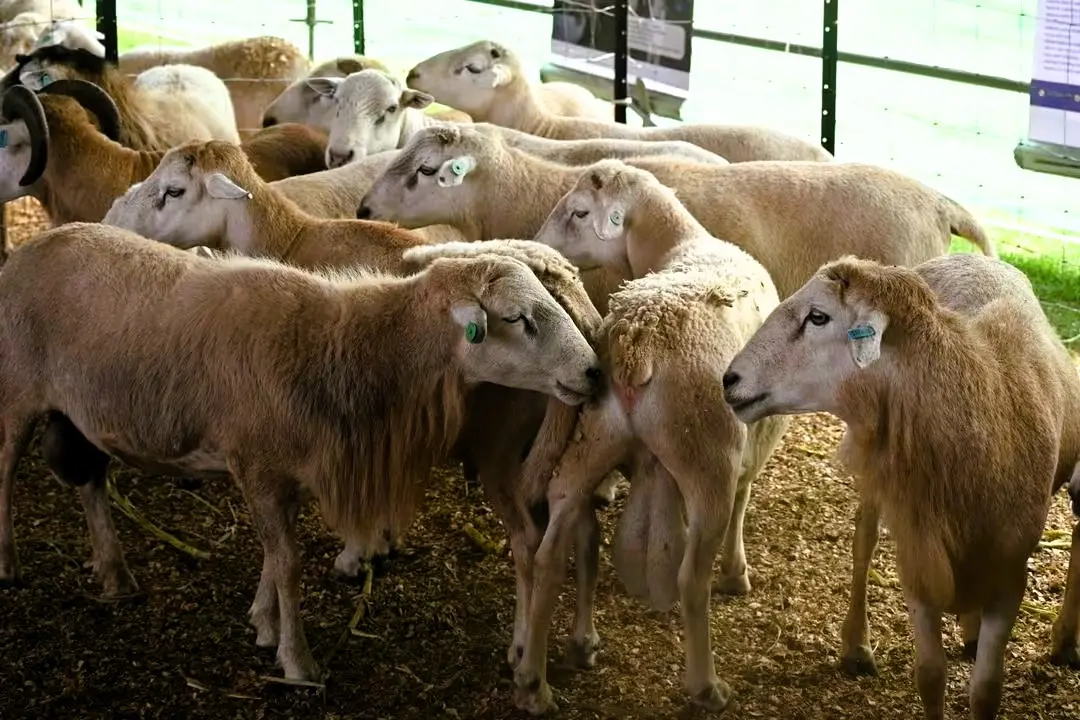
Sheep and cattle breeds of livestock were showcased during the 2026 National Agriculture Show at Subrail Park in Labasa.
Photo: Supplied
Despite the El Niño weather conditions bringing longer dry spells and affecting farmers’ livelihoods, the Ministry of Agriculture has received no reports of major livestock deaths.
Minister for Agriculture Tomasi Tunabuna confirmed that livestock had not been significantly affected.
Mr Tunabuna said livestock productivity had declined because of the intense heat animals were enduring.
Related stories
He advised farmers to cull unproductive or vulnerable animals to avoid losses through deaths and reduced income.
Culling involves selecting and removing animals from a herd based on factors such as their health, quality or usefulness.
“It is good to note that no livestock lives were lost,” he said.
The Western Division remains the worst affected by the El Niño dry spell, and livestock farmers have been urged to plan their water reserves to sustain their animals.
The Government’s El Niño relief package is expected to provide further assistance to farmers facing the dry conditions.
The Ministry has received reports of declining livestock quality and productivity because of the ongoing weather conditions.
Reduced pasture for grazing remains a concern. However, the Ministry hopes its El Niño relief package will help farmers restore livestock feed supplies.
“My advice to farmers is to make sure their livestock gets enough water, but if water sources dry up or are limited, culling excess and vulnerable animals is an option,” he said.
Livestock breeds that are highly adaptable and resilient to El Niño conditions could be retained for breeding next year, once conditions return to normal.
Crop and vegetable farmers have also experienced reduced supplies to markets because of lower production.
Mr Tunabuna warned that a decline in the supply of common local food produce could increase demand and prices.
He added that consumers should consider freezing and storing essential vegetables and root crops to prepare for possible supply shortages.