First study to map disability support gaps
Lived experiences of families central to research
Thursday 30 April 2026 | 11:30
Updated 30 April 2026 | 14:49 FJT
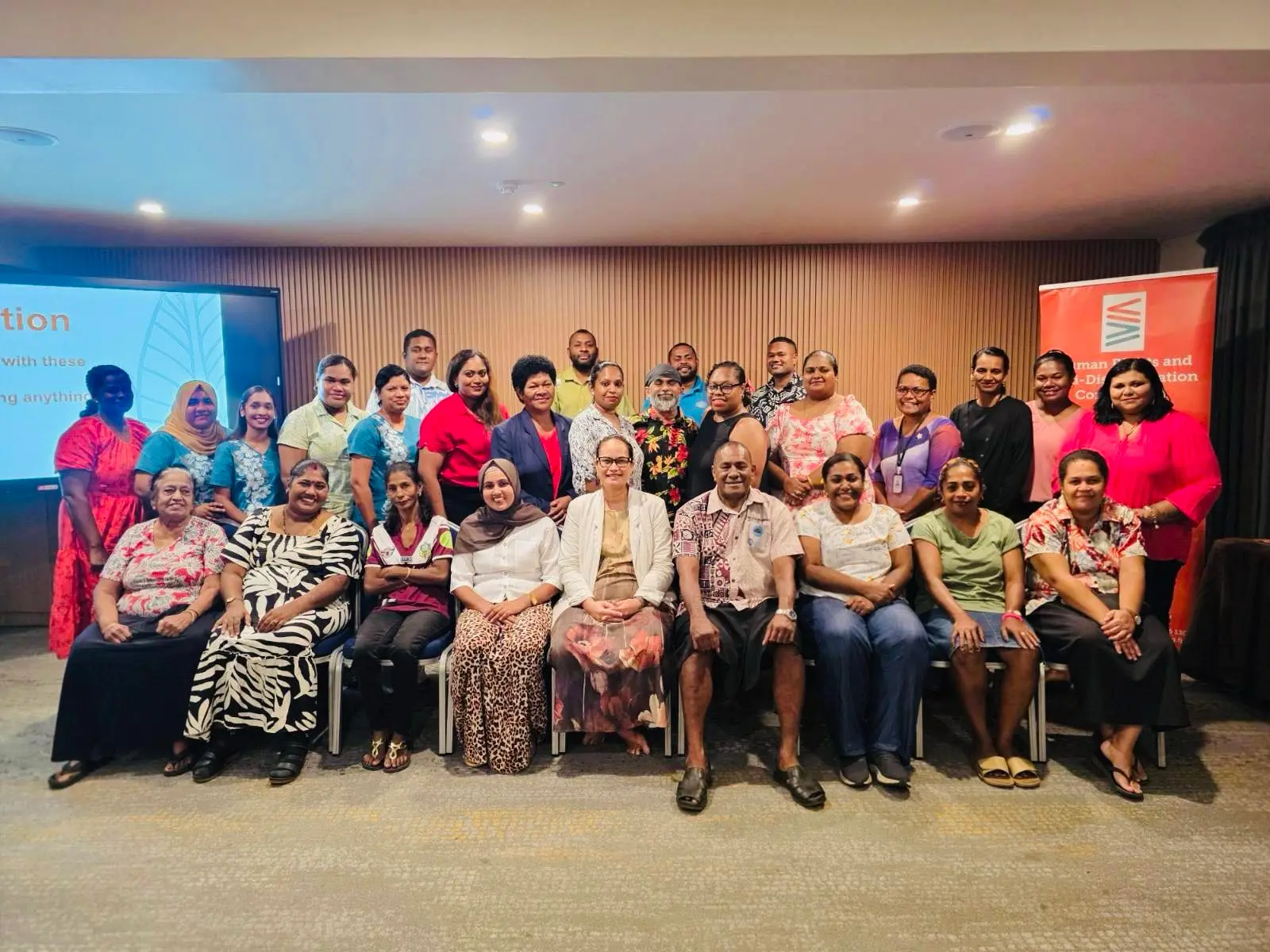
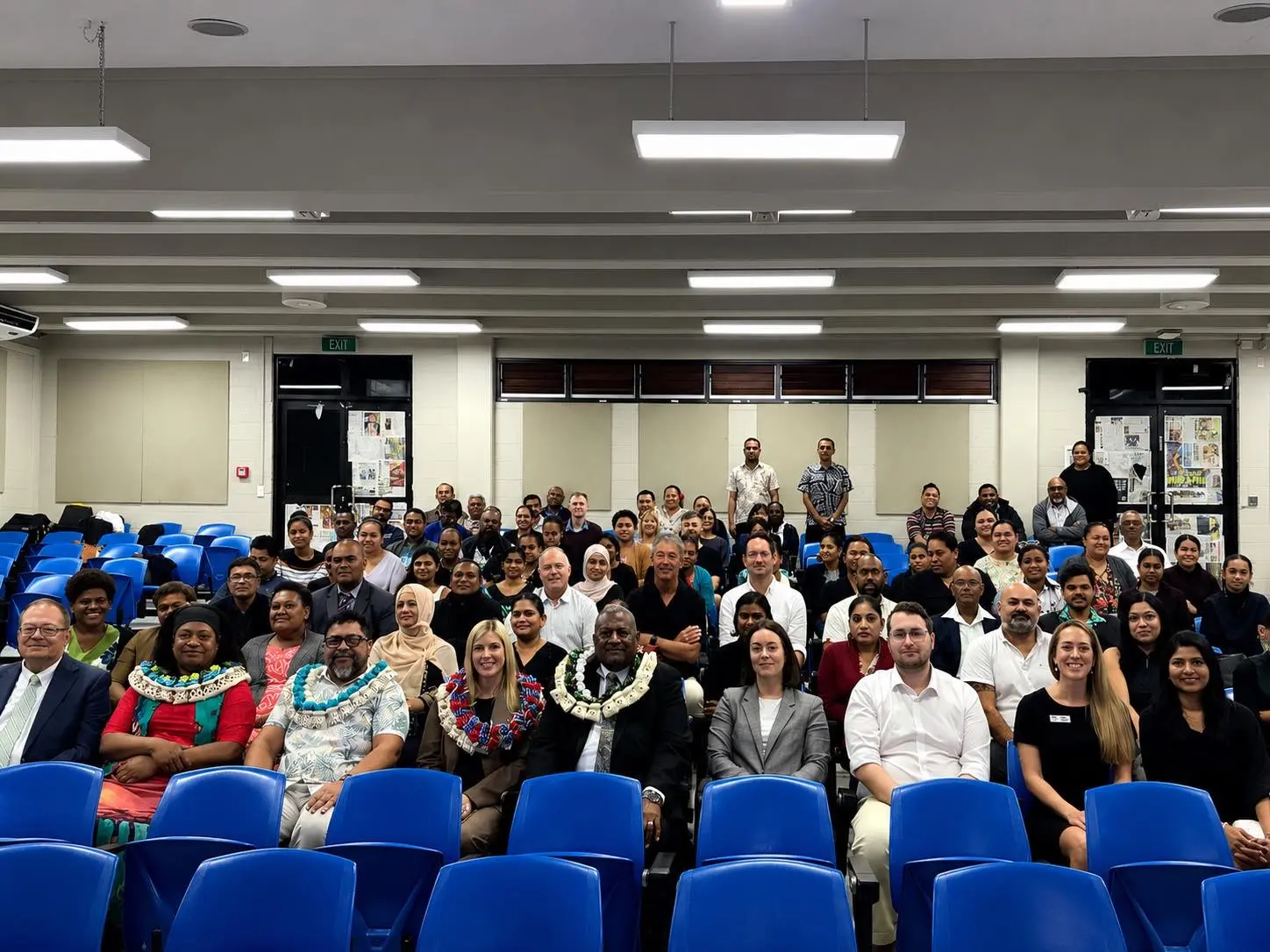
Participants gathered with Fiji Human Rights and Anti-Discrimination Commission director Loukinikini Vili Lewaravu (middle-sitting) during a workshop at Ramada Hotel in Labasa on April 29, 2026.
Photo: Supplied
A report on children under 18 living with disabilities is expected to reveal what is working, and what is not, in protecting and promoting their rights in Fiji.
It will be the first comprehensive study of its kind in the country.
The baseline study, conducted by the Fiji Human Rights and Anti-Discrimination Commission (FHRADC), is expected to be released mid-year.
Related stories
Findings will be presented across the Northern, Western, and Central divisions, based on evidence gathered from each area.
FHRADC director Loukinikini Vili Lewaravu said during the second validation workshop at the Ramada Hotel in Labasa today that the study began in February last year and had now reached the validation stage.
“The study will help identify how well existing mechanisms and programmes are working, where the gaps are, and what needs strengthening. It will also assist Government and stakeholders with recommendations for policy reform,” Ms Lewaravu said.
“It also examines key areas such as education, health, rehabilitation, the experiences of families and caregivers, service support systems, Government laws and policies, and data monitoring and evaluation.”
She said the study had captured the lived experiences of children with disabilities, as well as those of their parents and caregivers.
The first validation workshop was held in the Western Division in Lautoka two weeks ago.
The workshop brought together representatives from various consultations and interviews. Feedback from the validation workshops will help strengthen and finalise the report.
Following the one-day session in the North yesterday, the team will move to Suva next week to validate findings for the Central Division.
The baseline study is supported by the Australian High Commission in Fiji through the Fiji-Australia Vuvale Partnership, and by the UNDP Pacific Office through the Peacebuilding Fund.