Misinformation outpaces police response, says Simpson
Stanley Simpson calls for stronger collaboration and timely information sharing to restore public trust.
Monday 30 March 2026 | 11:00
Updated 30 March 2026 | 14:43 FJT


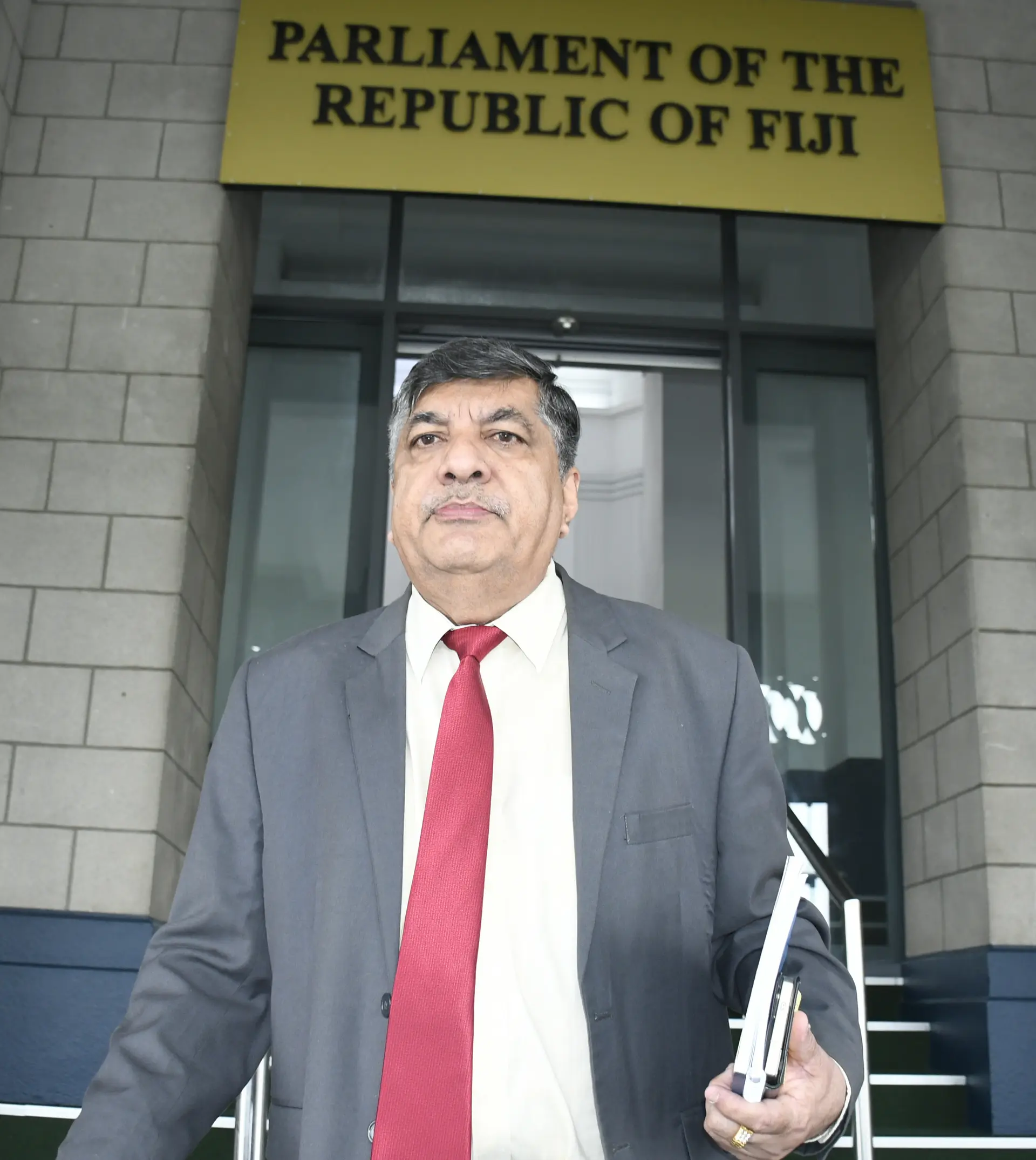
Fiji Media Association general secretary Stanley Simpson.
Photo: Supplied
The rapid spread of misinformation on social media is outpacing official responses, putting growing pressure on the Fiji Police Force to maintain public trust.
Fiji Media Association general secretary Stanley Simpson said false and unverified information was increasingly shaping public opinion before facts could be established.
Speaking at the opening of the Regional Media Development Training for Police Communications at the Holiday Inn in Suva this morning, Mr Simpson described communication today as “more powerful but also more fragile.”
Related stories
He said that rumours, short videos and social media posts could reach even remote parts of Fiji within minutes, often leaving authorities struggling to respond in time.
“While the police communications team remains one of the best in the country, delays in responding to online narratives, including criticism and allegations, allow misinformation to take hold,” Mr Simpson said.
He added that issues of trust and criticism of the police were increasingly playing out on social media, where accusations of cover-ups and misconduct frequently emerge, requiring faster and more strategic responses.
Mr Simpson stressed that ignoring the digital landscape was no longer an option, urging both police and media organisations to adapt to the changing environment and actively engage with online discourse.
He said the workshop aimed to strengthen collaboration between the police and the media, noting that both institutions play different but complementary roles in serving the public.
According to Mr Simpson, the police are responsible for maintaining order and providing credible information, while the media must inform, question, and verify facts in the public interest.
When both perform their roles effectively, public trust is strengthened.
He noted that public confidence in the police has declined over time, with social media users quick to question official statements, highlighting the need for clear, timely, and accurate communication.
Mr Simpson also called for improved access to information, advocating for more decentralised communication within the police force to allow quicker responses at the local level, while recognising that sensitive matters may still require central approval.
“When false information fills gaps left by delayed or limited communication, the consequences can be serious, including loss of public confidence, increased community anxiety, and potential disruption to investigations,” he said.
He emphasised that reducing the gap between fact and speculation is critical, and stronger relationships between the media and police will help ensure accurate information reaches the public.
Mr Simpson urged participants to use the training to develop practical solutions to improve information sharing, rebuild trust, and better serve the public, noting that the workshop’s outcomes should extend beyond attendees to benefit the wider community.