SEEP urges caution over electoral reforms ahead of next election
Organisation supports key changes in Amendment Bill but says more time is needed for public awareness and implementation.
Wednesday 16 September 2026 | 11:00
Updated 16 September 2026 | 12:12 FJT


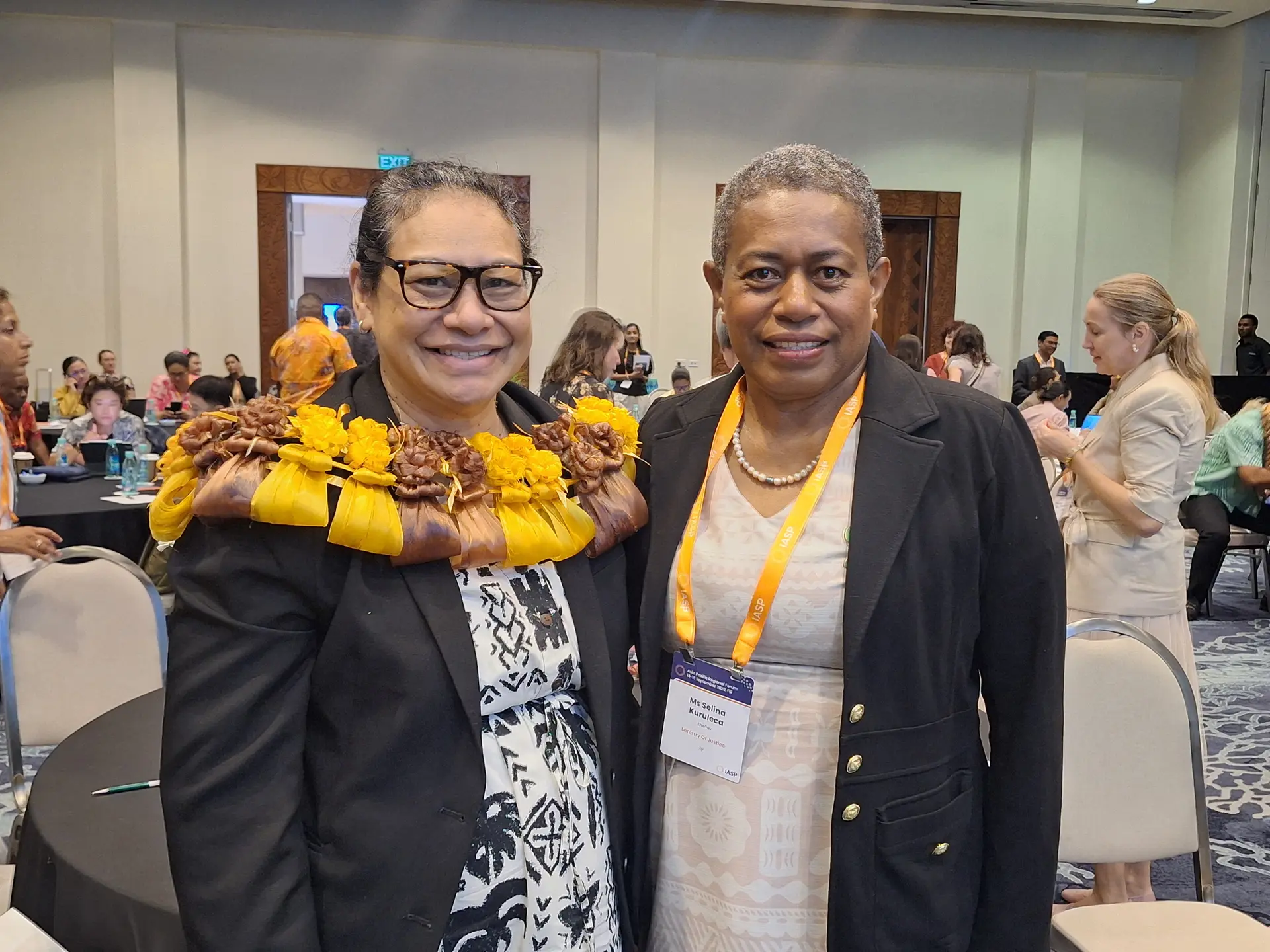
SEEP Research and Policy Officer Metuisela Gauna and Deputy Director Josefa Ravea with members of the Parliamentary Standing Committee on Justice, Law and Human Rights and other participants following SEEP’s submission on the Electoral (Amendment) Bill 2026 in Labasa on September 15, 2026.
Photo: Supplied
The Social Empowerment Education Program (SEEP) has backed several proposed changes in the Electoral (Amendment) Bill 2026 but is urging Government to ensure adequate preparation before the reforms take effect.
SEEP research and policy officer Metuisela Gauna made the submission to the Parliamentary Standing Committee on Justice, Law and Human Rights in Labasa yesterday.
The organisation said the Bill contained a number of positive reforms that could make Fiji's electoral system more inclusive, accessible, transparent and fair.
Related stories
Among the changes welcomed by SEEP are the removal of the 48-hour campaign blackout period, the reduction of campaign-free zones from 300 metres to 100 metres, expanded postal voting, the removal of statutory declaration requirements and provisions allowing assistive devices for people with disabilities.
However, Mr Gauna cautioned that the reforms should not be rushed given the limited time remaining before the next general election.
SEEP said two to three months may not be enough time to train election officials, update systems, conduct voter awareness programmes and allow political parties and candidates to fully understand the changes.
Mr Gauna said elections could not be delayed or extended further and suggested the legislation could instead be introduced next year to allow sufficient time for implementation.
The organisation has called for a nationwide public awareness campaign using radio, television, social media, print media and community meetings.
SEEP also recommended that electoral laws and guidance materials be translated into iTaukei, Hindi, Rotuman and English to improve public understanding.
Mr Gauna said electoral reform should be treated as a national endeavour that benefits all Fijians rather than being driven by political interests.