Waste companies urged to prove where waste ends up
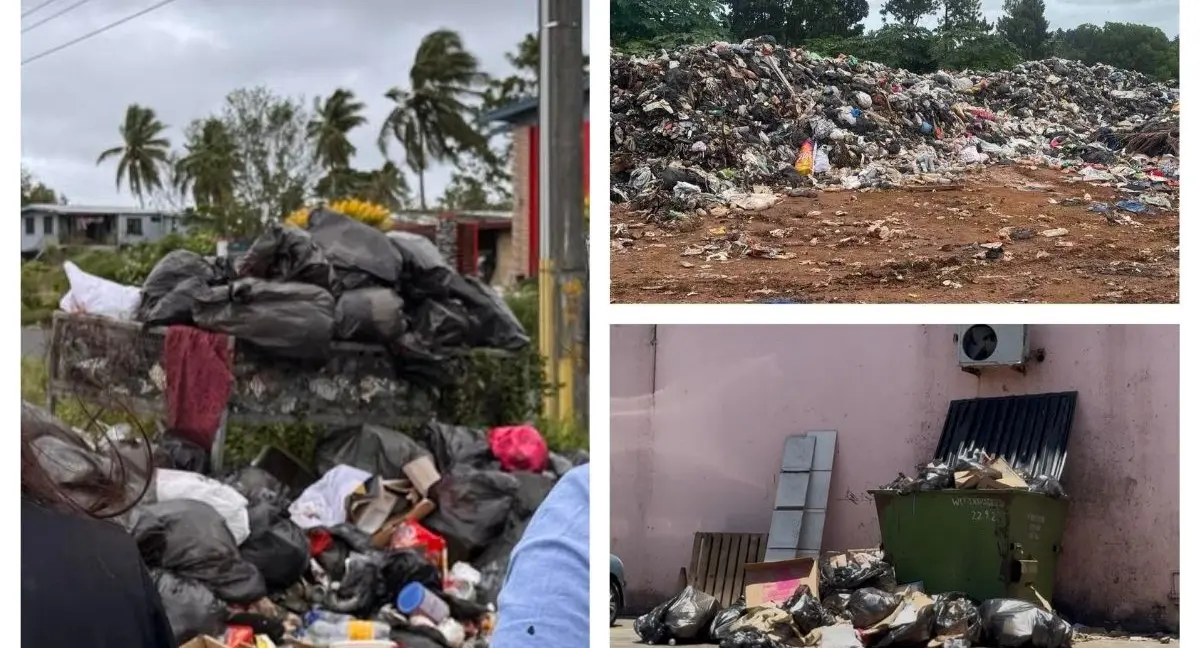
The warning comes amid reported cases of illegal dumping and growing questions over what happens to recyclable materials after they are collected.
Thursday 27 August 2026 | 11:00
Updated 27 August 2026 | 16:58 FJT

The organisation is concerned that as recycling becomes a bigger part of Fiji’s waste management sector, more waste management companies are presenting themselves as recyclers.
The Pacific Recycling Foundation (PRF) has raised concerns that materials collected as recyclables may be ending up in landfills or illegal dumps, calling for greater scrutiny of companies presenting themselves as recycling providers.
The warning comes amid reported cases of illegal dumping and growing questions over what happens to recyclable materials after they are collected.
PRF said businesses, resorts, institutions and Government agencies needed to ensure companies collecting their recyclables could demonstrate that the materials were actually processed through genuine recycling pathways.
Related stories
PRF founder Amitesh Deo said collecting and transporting recyclable material alone did not constitute recycling.
“We cannot call something recycling if the material ultimately ends up being dumped up at landfills or disposed off illegally,” Mr Deo said.
PRF said there had been instances where recyclable materials collected for recovery had reportedly ended up being illegally dumped, with evidence of such practices appearing on social media.
The organisation is concerned that as recycling becomes a bigger part of Fiji’s waste management sector, more waste management companies are presenting themselves as recyclers.
It said there needed to be a clear distinction between companies that simply collected recyclable materials and those with the systems, experience and capacity to process them.
Mr Deo said companies presenting themselves as recycling organisations should be able to provide evidence showing what happened to materials after collection.
“If materials are collected for recycling, responsibility cannot end when they are taken away. There must be accountability for what happens next.”
PRF is urging organisations seeking recycling services to investigate providers’ track records, processing systems and the eventual destination of collected materials.
“The question should not simply be, ‘Who can collect our recyclables?’ but ‘Who can demonstrate what happens to them after collection?’”
Waste Recyclers Fiji Limited manager operations and strategic growth Vinil Prasad said the company had been collecting and processing recyclables for more than 32 years.
“Our work has always covered a wide range of materials, including different types of plastics, plastic containers, PET bottles, tin cans, cardboard, e-waste, scrap metal and many other recyclable materials.
“Recycling is not simply about collecting something and taking it away, there needs to be a system and a pathway for what happens to that material afterwards,” Mr Prasad said.
PRF said accountability needed to cover the entire recycling chain, from collection through to processing and recovery.
“Recycling should not mean moving materials from one place to another without knowing what happens to them,” Mr Deo said. “We cannot call something recycling simply because a truck collected it.”