'Weather warnings need to be taken seriously'
Fiji Meteorological Service director Misaeli Funaki says advisories are issued to protect people and save lives — but they only work when the public takes action.
Sunday 13 September 2026 | 08:00

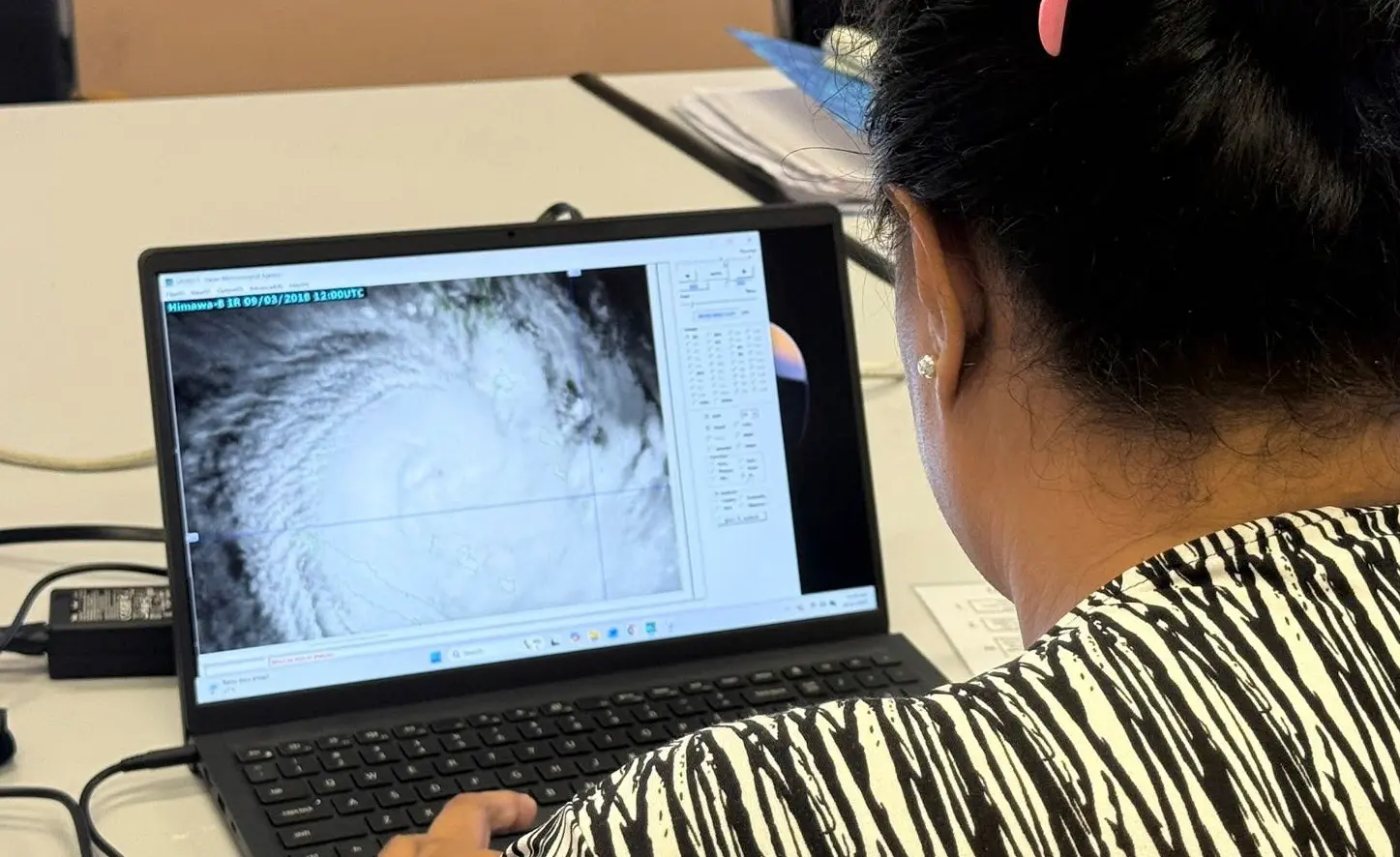
Fijians are being urged to take weather warnings seriously as the country prepares for the tropical cyclone season amid El Niño conditions and very rough seas.
Fiji Meteorological Service director Misaeli Funaki says advisories are issued to protect people and save lives — but they only work when the public takes action.
“The word from us is please take heed of the warnings, they are meant to save lives, they are meant for our well-being.
Related stories
“So that we can see the next day.”
Mr Funaki’s warning comes as recent incidents had led to lives being lost when warnings were ignored or not taken seriously.
It also comes as Fiji continues to experience El Niño conditions ahead of the cyclone season.
He said the Fiji Meteorological Service’s role was to provide the necessary advisories.
“Our role is to provide the advisory.
“Especially in times like this, where we are also being hit by El Nino conditions."
Know the weather, then act
Mr Funaki said knowing the forecast was not enough.
People also needed to understand what action to take when warnings were issued — and act on them.
“I think it is very important for members of the public to know the weather and more importantly to know which actions to take. To act!”
The message is particularly important for people travelling by sea, including fishers and those moving between islands.
Mr Funaki warned against risking lives by heading out in dangerous conditions.
“Look, it’s better to be on land and looking towards the waters then to be in the waters and hoping you were in land.”
His message comes as Fiji prepares for the tropical cyclone season under El Niño conditions, putting greater importance on communities monitoring official forecasts and responding to advisories.
Warnings must protect people
The need for people to receive timely, actionable weather information has also been highlighted at the Eighth Pacific Meteorological Council meeting in Nuku’alofa, Tonga.
World Meteorological Organization (WMO) Regional Coordination Office director Ishaam Abader said the Pacific continued to face significant threats from extreme weather and climate-related hazards.
“The Pacific region remains on the frontline of climate variability and change. Extreme weather, tropical cyclones, coastal flooding, drought, and sea-level rise continue to pose significant challenges to communities, economies, and ecosystems in this region.”
Mr Abader said the success of meteorological services should ultimately be measured by whether their science delivered practical benefits to people.
“Our success will be measured not simply by the quality of our science, but by our ability to translate that science into services that deliver tangible benefits for people and communities.”
That includes ensuring forecasts and warnings are not only accurate, but reach people in a form that allows them to make decisions and act before conditions become dangerous.
“Global initiatives succeed only when they are transformed into practical actions that address local realities.”
Timely information for every community
Mr Abader said regional cooperation would remain critical as Pacific countries worked to strengthen their weather, climate and water services.
The Pacific Island Meteorological Strategy 2027-2036 will include priorities such as Early Warnings for All, stronger observation networks, hydrological services, digital transformation and emerging technologies.
But the ultimate goal remains getting trusted information to communities.
“The Pacific has long been a leader in demonstrating the value of regional solidarity. The next decade presents an opportunity to build on that legacy and ensure that every community benefits from trusted, timely and actionable weather, climate and water information.”
For Fiji, Mr Funaki’s message as the cyclone season approaches is simple: take the warnings seriously and act.
“I think it is very important for members of the public to know the weather and more importantly to know which actions to take. To act!”