Opinion: Fiji’s HIV crisis must become a lesson for the Pacific
Rainbow Pride Foundation is calling on Pacific governments to invest in HIV prevention, testing, treatment and community services before outbreaks escalate.
Thursday 10 September 2026 | 17:30
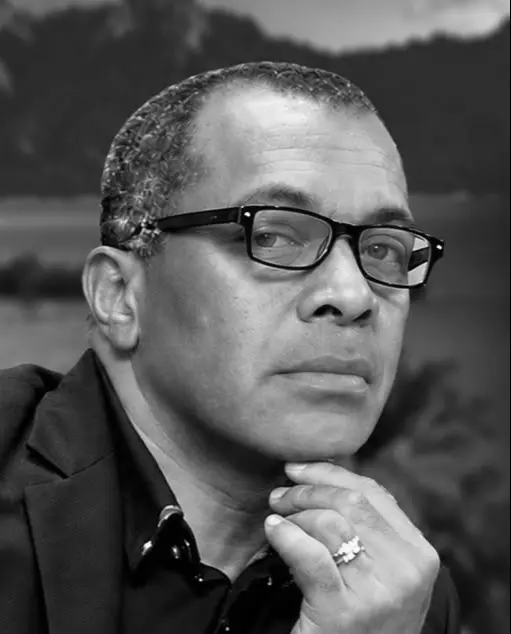
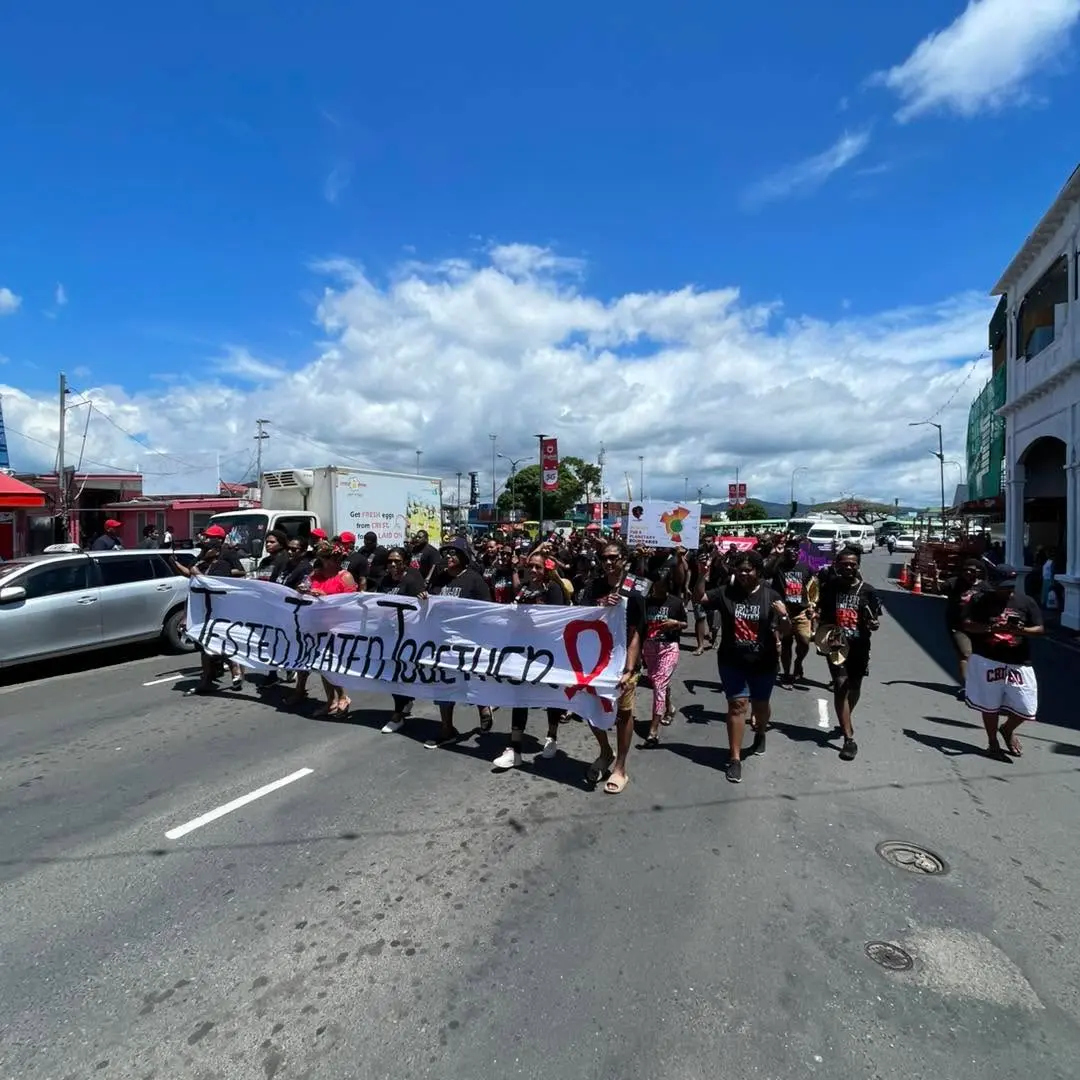
Fiji’s HIV outbreak should be a warning for the wider Pacific, says Rainbow Pride Foundation.
Fiji is confronting an HIV crisis that should concern not only us as Fijians, but our entire Pacific region.
At the outset, Rainbow Pride Foundation (RPF) acknowledges Cabinet’s endorsement of the declaration of Fiji’s HIV outbreak as a national health crisis. It is an important recognition of the seriousness and urgency of the situation, and of the need to strengthen Fiji’s response.
We welcome this step. Our collective responsibility now is to ensure that the declaration is matched by sustained action, adequate resources and meaningful partnerships between government, civil society, communities, health workers and development partners.
But as Fiji moves forward, we must also be prepared to look back.
Not to assign blame. Not to make this about one government, one political party, one ministry or one organisation. Rather, we need to honestly examine our experience so that we understand where we could have acted earlier—and, importantly, so that other Pacific countries can learn from it.
The warning signs were there
Fiji did not arrive at this point without warning.
While HIV had been part of Fiji’s public health discussions for many years, that conversation became noticeably quieter about a decade ago. By 2019, however, HIV was once again being discussed publicly and in Parliament, alongside growing concerns about Fiji’s emerging drug problem and its potential connection to HIV transmission.
In November 2019, then Opposition MP Adi Litia Qionibaravi raised concerns in Parliament following discussions at a Speaker’s Debate on HIV/AIDS in Sigatoka, including the risks associated with increasing methamphetamine use and HIV transmission. Earlier that year, then Minister for Health Dr Ifereimi Waqainabete had also spoken about Fiji’s HIV situation and the need for a stronger response.
The point is not who said what first. The point is that the warning signs were there.
Government knew HIV required attention. Parliament was discussing it. Communities were seeing vulnerabilities on the ground. Concerns around drugs were emerging. Looking back, however, the level and speed of our collective response did not always match the urgency of those warning signs.
That is something we should be prepared to acknowledge. Different governments, institutions, civil society organisations, development partners and communities have all been part of Fiji’s HIV response over the years. We therefore gain very little from simply looking backwards to determine who should carry the blame.
What matters more is identifying what we could have done differently and ensuring we do not repeat it.
Low numbers must never become a reason for complacency
This is perhaps one of the most important lessons Fiji can offer our Pacific neighbours. When HIV numbers are relatively low, there can be a temptation to believe the problem is manageable or that there are more urgent priorities competing for limited government resources.
But low numbers should not be a reason for complacency. They should be an opportunity.
That is the time to invest in prevention. That is the time to strengthen surveillance. That is the time to make testing accessible, establish strong treatment systems, expand access to condoms and PrEP, build relationships with affected communities and understand emerging patterns of drug use and sexual health.
It is far easier to strengthen these systems before an epidemic accelerates than to build them while responding to a national crisis.
For Pacific countries where HIV numbers remain relatively low, Fiji’s message should therefore be simple: “use the opportunity you have now”.
Do not wait for an outbreak declaration before strengthening your response.
Know your own epidemic
There is another important qualification. Pacific countries should learn from Fiji, but they should not assume their HIV epidemics will necessarily look like ours.
Every country must understand its own epidemic.
For Fiji, injecting drug use has emerged as a major concern within the HIV response. In another Pacific country, the drivers, populations affected and vulnerabilities may be different.
The lesson from Fiji is therefore not that every Pacific country will follow exactly the same pathway.
The lesson is that countries must have systems capable of detecting changes early and governments must be prepared to act when those changes emerge.
Good surveillance matters. Data matters. But national statistics alone cannot tell us everything. This is where communities become essential.
Listen to communities before the numbers become alarming
Community organisations, peer workers and frontline service providers often see changes on the ground before they are fully reflected in national data.
They hear people's stories. They know where services are difficult to access. They see stigma preventing people from testing. They know when particular communities are becoming more vulnerable. They hear about emerging drug-use practices and sexual-health risks.
Governments should not wait until those experiences become alarming national statistics before listening.
Community engagement cannot simply happen after a crisis has been declared. Communities need to be part of surveillance, prevention, programme design, implementation and evaluation from the beginning.
This is also why community-led organisations must be properly supported. Peer outreach and community services cannot be treated as temporary projects that appear when donor funding becomes available and disappear when a funding cycle ends. Communities are part of the health response.
Prevention must be visible on the ground
One of the clearest lessons from Fiji is that acknowledging a problem is not the same as responding to it.
We can have policies, strategies, conferences, taskforces and meetings. All of these have a role.
But ultimately, the measure of a HIV response is what reaches people.
· Can someone access an HIV test easily and confidentially?
· Can someone at substantial risk access PrEP?
· Are condoms and lubricants readily available?
· When someone tests positive, are they quickly linked to treatment and supported to remain in care?
· Can a person who uses drugs access health services without fear of judgement?
· Are young people receiving accurate information?
· Can key and vulnerable populations access services without stigma or discrimination?
· And are community organisations sufficiently resourced to reach people whom traditional health services may struggle to reach?
These are the questions that ultimately determine whether strategies translate into prevention.
Where drug use is emerging as an HIV risk, countries should also be prepared to have evidence-based conversations about harm reduction early, rather than waiting until the problem has escalated.
Pacific governments must invest in sustainability
There is also a difficult conversation our region needs to have about financing. The Pacific has benefited enormously from development partners, and international support will continue to be important.
But governments must progressively invest their own national resources in HIV prevention, testing, treatment, community-led services and the health systems that support them.
We cannot wait for an outbreak before finding the money to respond. Neither can essential prevention programmes disappear every time a donor funding cycle ends. Sustainability must become part of HIV planning from the beginning.
For governments, this means seeing HIV prevention not simply as expenditure, but as an investment. Acting early will almost always be preferable to financing an emergency response after infections have accelerated.
Fiji can turn its crisis into a regional lesson
Fiji is now in a different position.
The declaration of the HIV outbreak as a national health crisis creates an opportunity to respond with greater urgency, coordination and resources. RPF acknowledges the Government of Fiji for taking that step.
Civil society must also play its part. Communities must play their part. Development partners, health professionals, faith communities, schools, families, the private sector and many others have roles to play.
This must genuinely become a whole-of-government and whole-of-society response.
But Fiji can contribute something else to the region. We can be open about our experience.
We can share where we responded too slowly. We can talk about what we should have done differently. We can share the challenges our health system and communities are experiencing now. And equally importantly, we can share what we are learning and what we are beginning to do differently.
There should be no shame in that.
If Fiji’s experience helps another Pacific country strengthen prevention five or ten years earlier than it otherwise would have, then something valuable can emerge from the difficult situation we are confronting today.
Our message to Pacific governments is therefore simple:
· Know your epidemic now.
· Invest in prevention now.
· Strengthen testing and treatment now.
· Understand emerging drug-use and sexual-health trends.
· Invest in communities and listen to what they are seeing on the ground.
And above all, do not wait for a national crisis before responding with the urgency HIV requires.
Fiji is now responding to that crisis.
Other Pacific countries still have an opportunity that Fiji no longer has: the opportunity to act before reaching crisis point.
We sincerely hope they use it.
(Asaeli Sinusetaki is the Interim Chief Executive Officer of Rainbow Pride Foundation (RPF) Fiji. RPF works with communities in Fiji on HIV prevention, sexual and reproductive health and rights, community-led health responses, human rights and social inclusion.)