Pacific Conference of Churches warns against militarising Ocean of Peace vision
Rev. Bhagwan said Pacific people have always understood peace as more than the absence of conflict.
Tuesday 21 July 2026 | 13:00

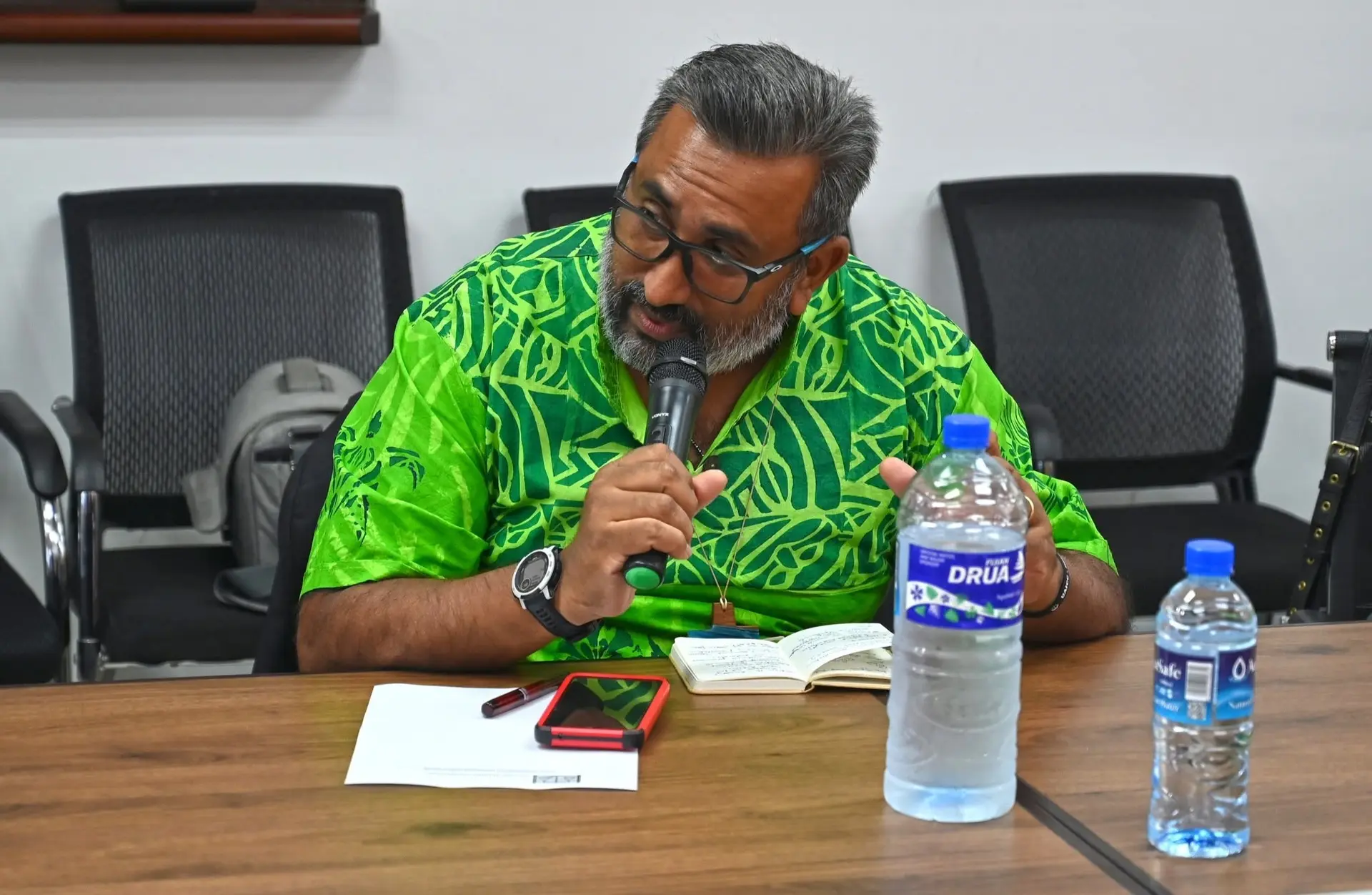
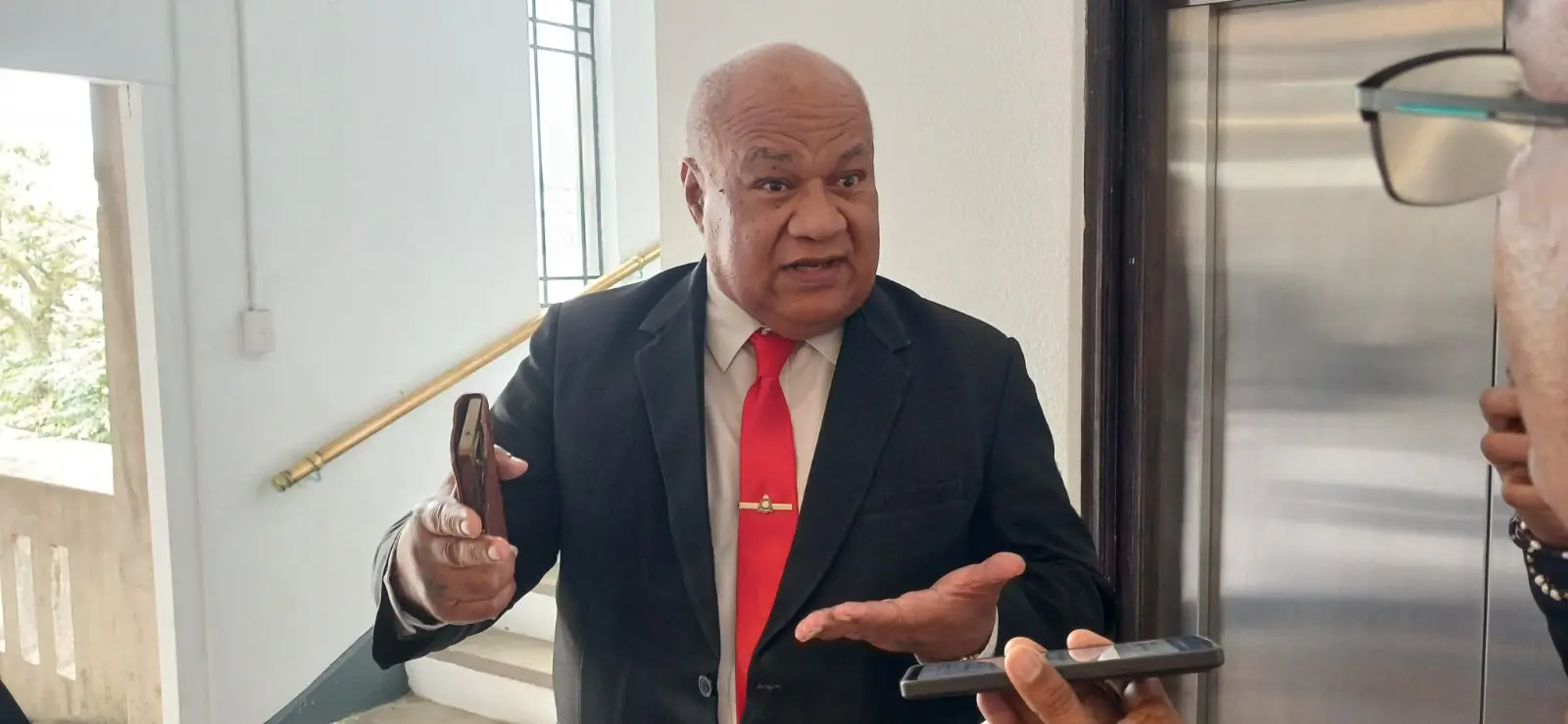
Secretary General of the Pacific Conference of Churches, Rev James Bhagwan
Fiji Government
The Pacific Conference of Churches (PCC) has warned leaders against allowing the region’s Ocean of Peace vision to be driven by military interests, but one that is centered on justice, dialogue and human dignity.
In an open pastoral letter titled Let Peace Govern Security, PCC general secretary Reverend James Bhagwan said the Pacific’s approach to security should remain rooted in peacebuilding rather than growing geopolitical competition.
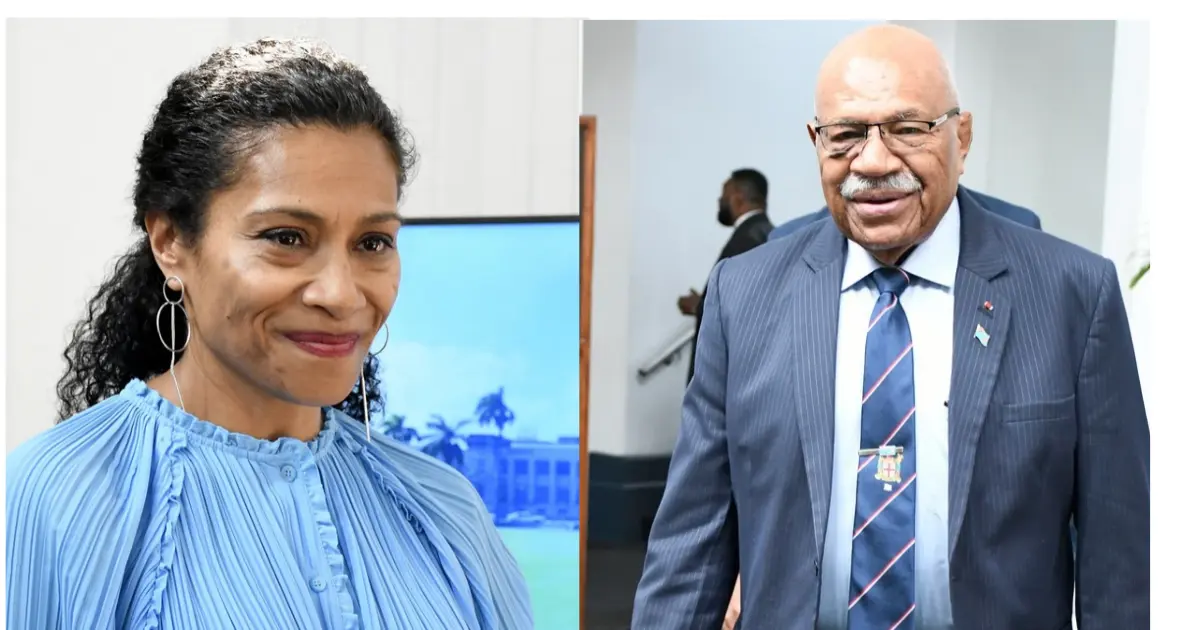
The letter supports Prime Minister Sitiveni Rabuka’s Ocean of Peace vision, describing it as a uniquely Pacific concept based on reconciliation, relationships and collective wellbeing.
Related stories
Writing from Majuro in the Marshall Islands, Rev. Bhagwan said Pacific people have always understood peace as more than the absence of conflict. It also includes justice, environmental protection, human dignity and healthy relationships.
He said 2026 marked 80 years since the first nuclear test at Bikini Atoll and warned that the region continues to live with the legacy of nuclear testing, displacement and environmental damage.
The church body also pointed to other regional challenges, including climate change, rising sea levels, deep-sea mining, violence against women and children, and growing economic inequality.
The letter questioned whether the Ocean of Peace concept risks being overshadowed by increasing geopolitical rivalry, citing the recently signed Veitacini Treaty between Fiji and Australia, which includes provisions on defence cooperation and deterrence.
“The public questions raised by RNZ Pacific deserves careful attention: Has the Ocean of Peace been hijacked?” he stated.
It also echoed concerns raised by Pacific civil society leaders, who have called for the initiative to remain focused on civilian peacebuilding rather than military cooperation.
These include:
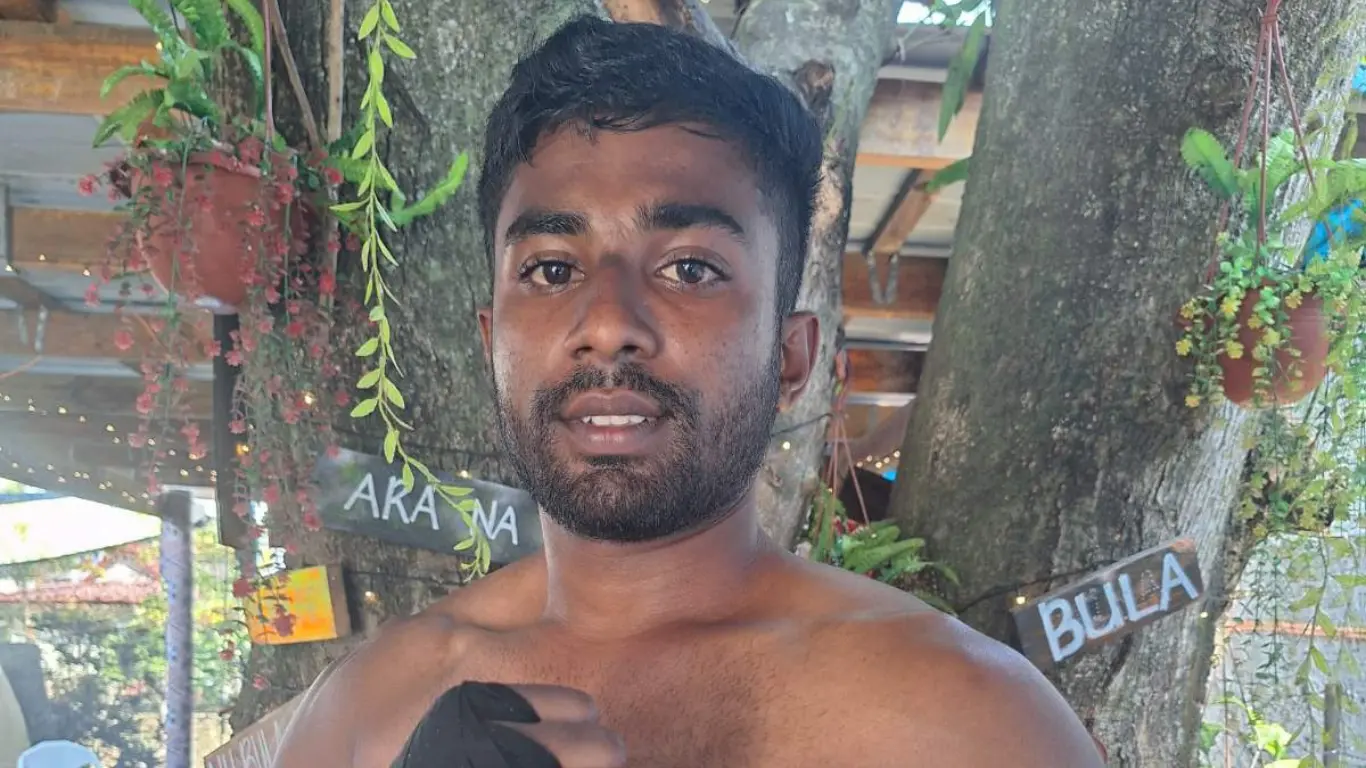
- Joey Tau, who warned against the Ocean of Peace being co-opted by military interests.
- Sharon Bhagwan-Rolls, who advocated for civilian peacebuilding and demilitarisation.
- Dr Marco de Jong, who called for greater clarity about the purpose and governance of the proposed Ocean of Peace Centre.
The PCC urged Pacific leaders to keep the Ocean of Peace Pacific-led, hold transparent regional consultations, involve churches, women, youth, Indigenous communities and nuclear-affected communities in decision-making, and ensure any Ocean of Peace Centre focuses on mediation, conflict prevention and trauma healing.