Indonesia targets 6% growth with ambitious 2027 budget
Government aims to boost jobs and living standards while keeping deficit at 2.4% of GDP
Friday 28 August 2026 | 13:30
Updated 28 August 2026 | 15:10 FJT

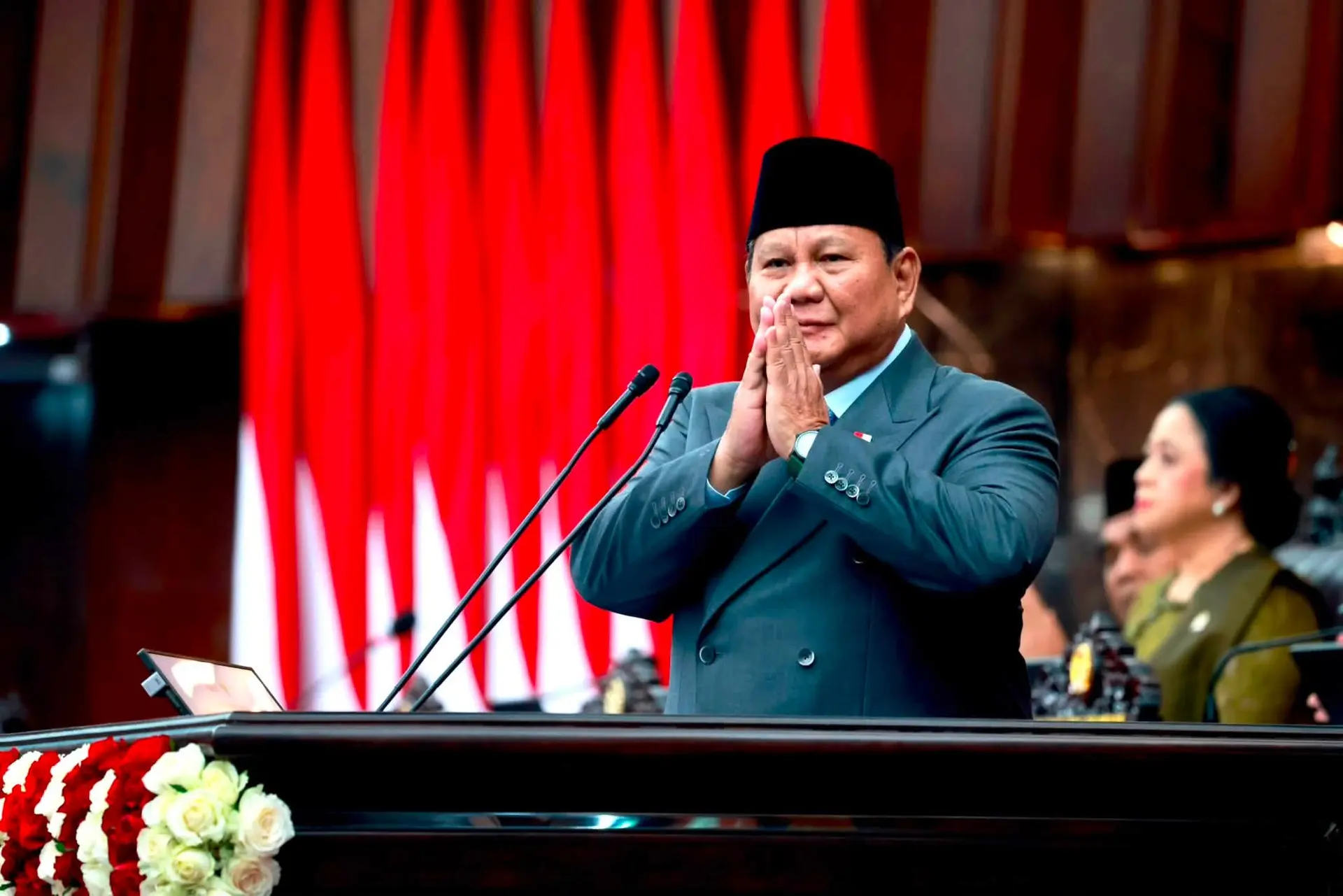
Indonesia is aiming to accelerate its economic momentum in 2027, with the Government targeting 6% economic growth while maintaining a fiscal deficit of 2.4% of Gross Domestic Product (GDP).
When unveiling Indonesia's ambitious 2027 budget, President Prabowo Subianto outlined a strategy aimed at driving stronger economic growth, creating jobs, and improving living standards while keeping public finances under control. A significant share of spending will be directed toward services that have a direct impact on people's everyday lives.
Plans include the renovation of 10,000 community health centres (Puskesmas) across the country and the construction or upgrading of 441 regional hospitals.
Related stories
The healthcare push is intended to improve access to medical services, particularly in remote areas where patients often face long travel times to receive treatment.
Education is also set to receive major attention.
The Government plans to complete the renovation of schools that are in poor condition by 2029 and continue equipping classrooms with modern digital learning technology.
The goal is to ensure that children, regardless of where they live, have access to safe and effective learning environments.
The budget also signals Indonesia's ambition to play a larger role in global commodity markets. A new Strategic Mineral and Commodity Exchange is expected to be established, allowing products such as nickel, coal, palm oil, gold, coffee and tin to be traded through an Indonesian platform. The initiative is aimed at giving the country a greater influence over the pricing of commodities that are produced domestically.
President Prabowo also announced an ambitious push towards energy self-sufficiency, including plans to build 100 gigawatts of solar power capacity and gradually reduce Indonesia's reliance on diesel-powered electricity generation. The move is expected to lower energy costs, reduce fuel imports, and strengthen the country's long-term energy security.
In a bid to boost investment and improve efficiency, President Prabowo said the Government would continue reforming state-owned enterprises, including opening underutilised assets to private sector participation while maintaining state ownership. The administration believes this will unlock new economic opportunities and generate greater returns from public assets.
Another key announcement was the establishment of an Indonesia Financial Center, initially in Jakarta and eventually expanding to Bali. President Prabowo said the initiative is aimed at attracting international investors, financial institutions and skilled professionals, helping position Indonesia as a major financial hub in the region.
The President also highlighted several long-term strategic projects that will be supported through Indonesia's sovereign wealth framework, including the development of a national electric vehicle industry and the construction of a giant sea wall along Java's northern coastline to protect communities and infrastructure from rising sea levels.
To help bring global expertise back to Indonesia, President Prabowo announced plans to introduce limited dual citizenship for individuals with specialised skills. The proposal is expected to benefit professionals such as scientists, engineers, researchers, doctors and entrepreneurs whose expertise can support the country's future growth.
Taken together, President Prabowo's 2027 budget proposals present a vision of a more modern, self-reliant and competitive Indonesia, focused on strengthening public services, attracting investment and creating opportunities for future generations.