Faith leaders urged to use pulpits to fight rising HIV cases in Fiji
Pastors must take initiative on HIV awareness, says Reverend Manasa Kolivuso
Monday 28 September 2026 | 09:30

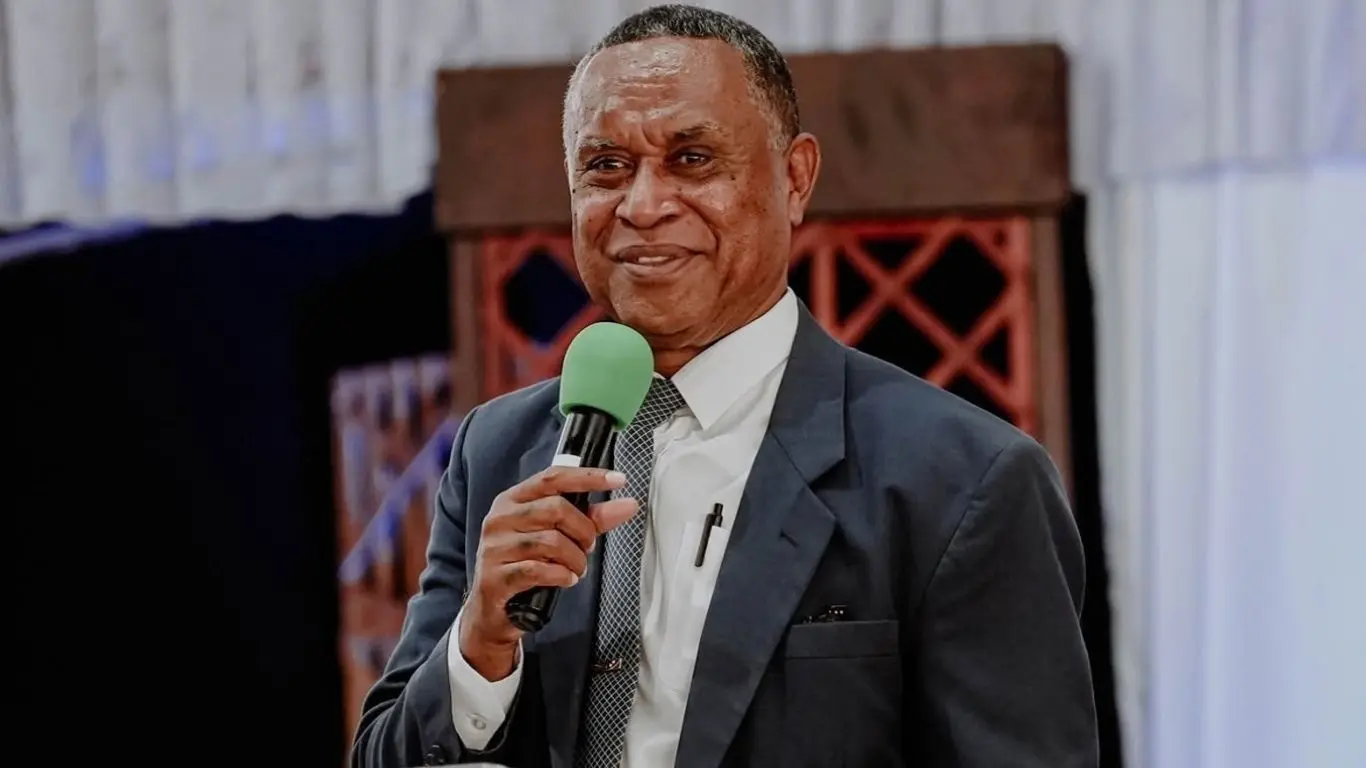
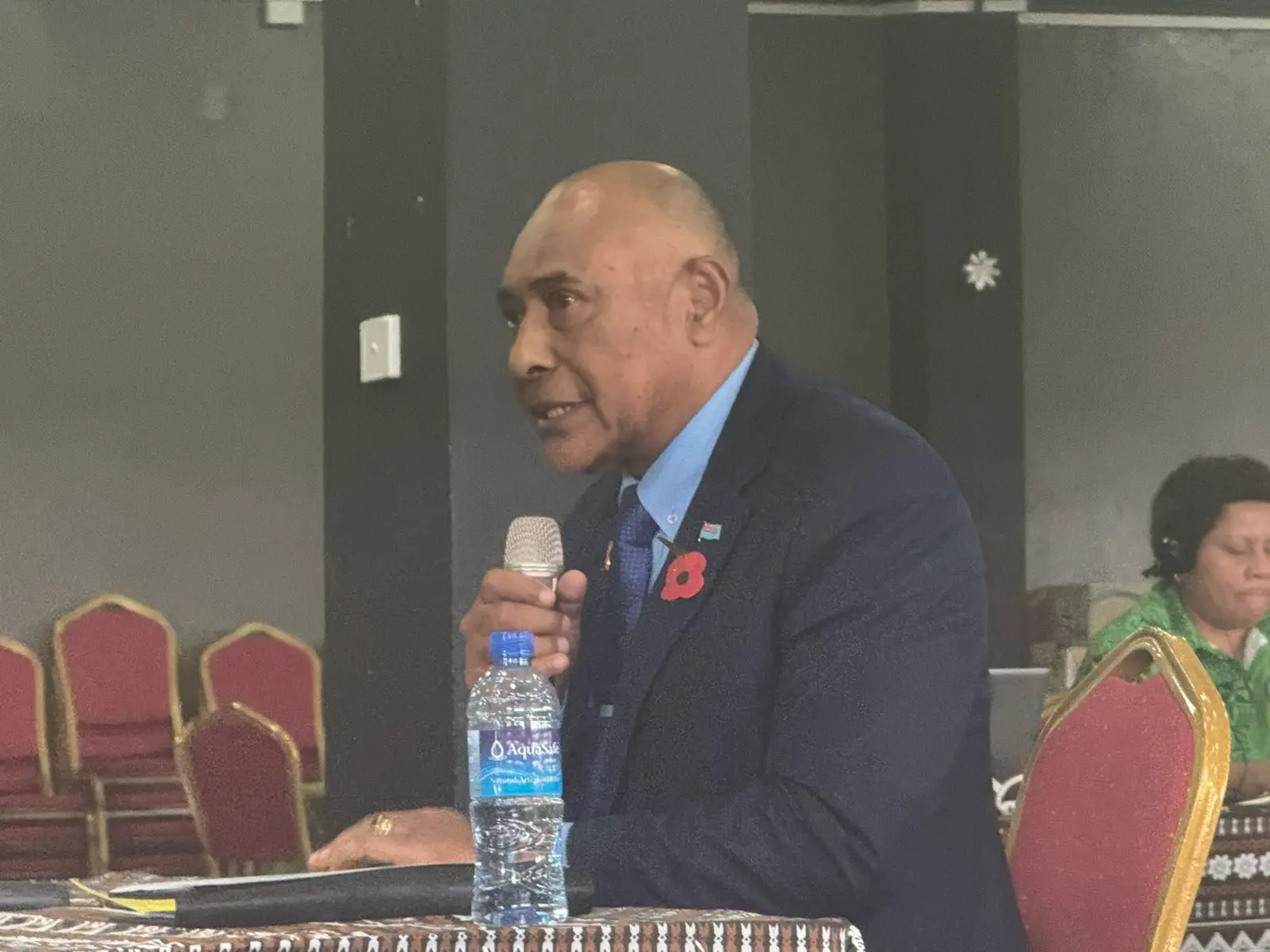
Christian Mission Fellowship senior pastor Reverend Manasa Kolivuso.
Photo: CMFI Faith Harvest Church
The national human immunodeficiency virus (HIV) crisis is now demanding help from clergymen, religious organisations and traditional leadership structures.
It calls for assistance from churches and traditional leadership structures to help slow the spread of the disease.
Religious leaders are being urged to use the pulpit to preach HIV prevention and treatment.
Related stories
Christian Mission Fellowship senior pastor Reverend Manasa Kolivuso said faith leaders had a powerful platform to connect religious teachings with the realities facing Fijian communities.
“It needs to be addressed from the pulpit. Pastors must take the initiative,” Reverend Kolivuso said who is the senior pastor of Faith Harvest Church, Vunivivi in Nausori.
“The modern-day reality in Fiji, HIV transmission is a national emergency.”
He said churches could not assume they knew how many of their members were affected and should openly discuss HIV, testing, treatment and prevention.
“We have a powerful platform as people of faith,” he said, stressing that the response should involve all religions.
He said HIV and drug-related harm could not be tackled in isolation, with domestic violence and other social problems intersecting with substance use.
He urged faith communities to combine prayer with practical action and medical care.
“If I’m sick, the first thing I’ll do is pray. Second thing I do is go to the hospital, so it’s faith with action,” he said.
He also said church leaders should ensure people receive accurate information about HIV prevention.
Reverend Kolivuso said the high number of HIV cases being recorded among iTaukei people should not be viewed simply as a spiritual issue.
“It is more cultural and social,” he said.
He called for the issue to be addressed at village level, saying chiefly structures and community leadership played important roles.
Great Council of Chiefs
Great Council of Chiefs chairman Ratu Viliame Seruvakula said chiefs, as custodians of the vanua, had a responsibility to lead by example in strengthening HIV prevention and awareness.
Ratu Viliame urged the vanua to tackle stigma against the disease.
He said HIV testing was being encouraged at village level, with health teams conducting community visits, awareness and testing during village, district and council meetings.
The call comes as Government pushes a whole-of-society response to the national HIV emergency, with the Ministry of Health and Medical Services urging religious organisations and the vanua to play a stronger role in tackling the crisis.
HIV statistics
Last year, 2016 new HIV cases were reported.
Of these, 362 involved people who injected drugs, while 430 were from sexual transmission and 57 were due to mother-to-child transmission — children infected during pregnancy, delivery or breastfeeding.
The largest proportion of reported cases, 1167, had an unknown mode of transmission.
Feedback: talei.matairakula@fijisun.com.fj