Preventing Fiji’s stroke crisis starts with a healthier lifestyle
PSH founder and CEO Parvish Kumar urges Fijians to embrace healthier diets, regular exercise and routine medical checks to reduce the growing risk of stroke.
Sunday 01 November 2026 | 16:00

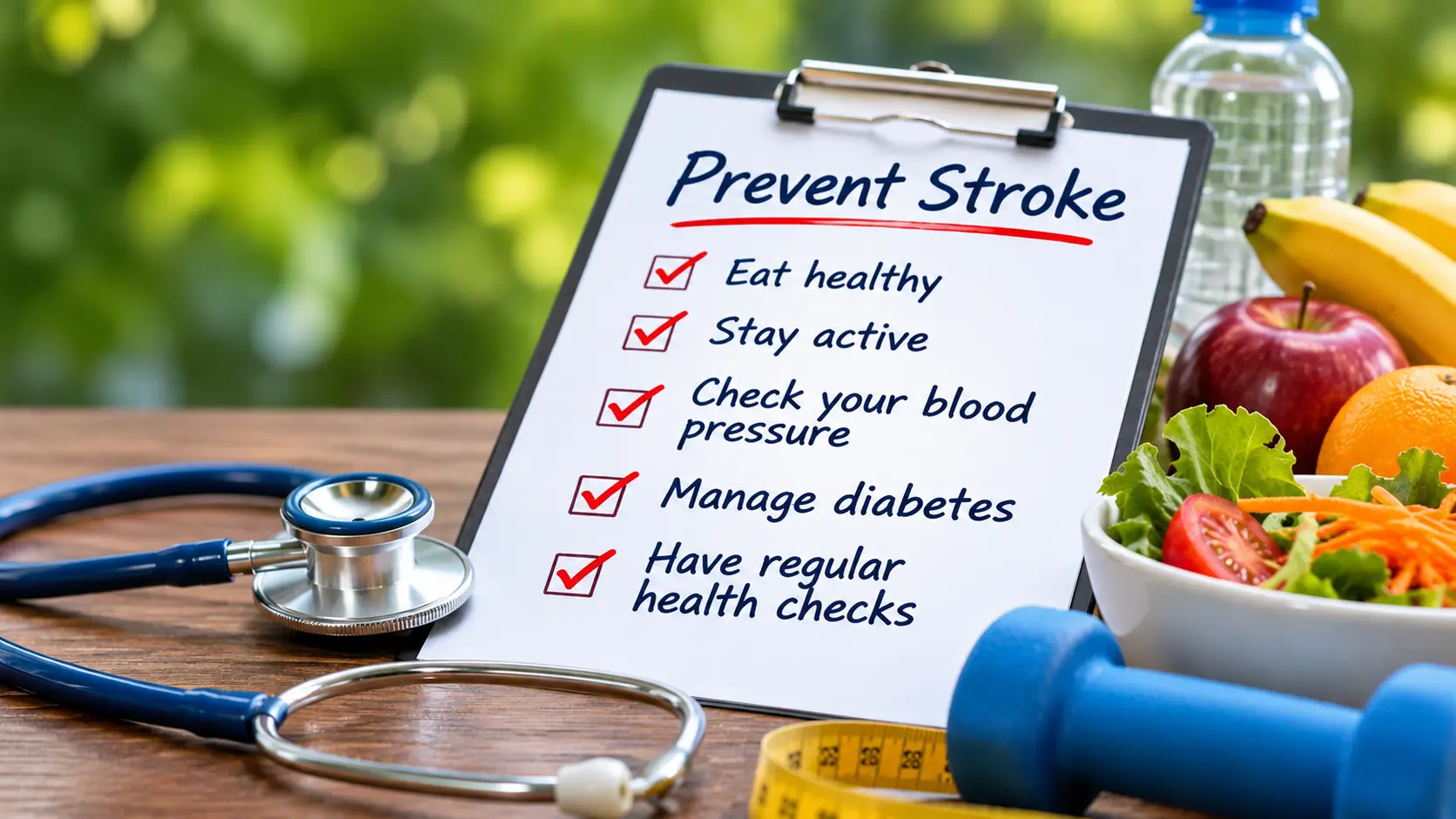
Preventing Fiji’s stroke crisis starts with a healthier lifestyle
As Fiji faces a growing challenge from stroke and other non-communicable diseases, Pacific Specialist Healthcare (PSH) Hospitals founder and chief executive officer Parvish Kumar is urging people to take greater responsibility for their health by making better lifestyle choices.
With World Stroke Day observed last Thursday, October 29, Mr Kumar is calling on individuals and families to recognise that preventing stroke begins long before a medical emergency occurs — through the food people eat, the physical activity they undertake and the attention they give to their health.
He says healthier living, regular medical checks and early management of conditions such as high blood pressure and diabetes can play an important role in reducing the risk of stroke and improving overall wellbeing.
Related stories
“Looking after our health must become a way of life, not something we think about only when we become sick,” Mr Kumar said.
“We need to encourage our people to make better choices every day, whether it is eating healthier food, exercising regularly, reducing unhealthy habits or visiting a doctor for routine medical checks.
“Many serious health problems develop quietly over time. By the time symptoms appear, the damage may already be significant. Prevention and early detection are therefore extremely important.”
Small lifestyle changes can make a big difference
Stroke occurs when blood flow to part of the brain is interrupted or when a blood vessel ruptures, damaging brain cells. It can lead to death or long-term disabilities affecting movement, speech, memory and independence.
High blood pressure is one of the leading risk factors for stroke. Other risk factors include diabetes, high cholesterol, smoking, excessive alcohol consumption, obesity, physical inactivity and certain heart conditions.
While some risk factors cannot be changed, many can be managed through healthier living and appropriate medical care.
Mr Kumar says people should pay closer attention to their daily routines, particularly their diets and levels of physical activity.
A balanced diet that includes vegetables, fruits, whole grains and other nutritious foods can help support good health. Reducing salt, excess sugar, unhealthy fats and heavily processed foods can also help lower the risk of high blood pressure, obesity and other conditions associated with stroke.
Regular exercise is equally important
People are encouraged to make physical activity part of their daily lives through walking, cycling, swimming, gardening or other activities suited to their age and physical ability.
Even small changes, such as walking instead of sitting for long periods, choosing healthier meals and reducing sugary drinks, can contribute to better long-term health.
“We do not always need to make dramatic changes overnight. We can begin with simple steps and build healthier habits over time,” Mr Kumar said.
“The important thing is to be consistent. What we eat, how much we move and how well we manage our health can have a significant impact on our future.”
Do not wait until you feel sick
Mr Kumar is also encouraging Fijians to make regular medical checks a priority, even when they feel healthy.
High blood pressure, high cholesterol and diabetes can remain undetected for years without obvious symptoms. Routine health assessments can help identify these conditions early, allowing people to receive appropriate advice and treatment.
People with existing medical conditions should follow their healthcare professionals’ advice, take prescribed medication as directed and attend follow-up appointments.
He says families can also play an important role by encouraging one another to adopt healthier habits and supporting older relatives and loved ones to attend medical appointments.
“Your health is one of your greatest assets. We must not take it for granted or assume that feeling well means everything is fine,” Mr Kumar said.
“Regular checks give us an opportunity to understand our health, identify potential problems early and take action before they become more serious.
“We all have a role to play in building a healthier Fiji, starting with ourselves and our families.”
Recognise stroke symptoms and act immediately
While prevention is essential, recognising the warning signs of stroke can also save lives.
Symptoms often develop suddenly and may include weakness or numbness on one side of the body, facial drooping, difficulty speaking or understanding speech, sudden loss of vision, loss of balance or a severe unexplained headache.
The public can remember BE FAST:
- B – Balance: Sudden loss of balance or difficulty walking.
- E – Eyes: Sudden changes in vision.
- F – Face: One side of the face droops.
- A – Arms: Weakness or numbness in an arm.
- S – Speech: Slurred speech or difficulty understanding others.
- T – Time: Seek emergency medical assistance immediately.
Should anyone suffer a stroke, you need to visit the Emergency Department at the CWMH in Suva and pray you get sorted within six hours so that the stroke (if its ischemic) can be reversed with a drug called Altepase.
There are no other facilities in Fiji that is doing this at the moment.
Anyone suspected of having a stroke needs urgent medical assessment. Do not wait for symptoms to disappear, even if the person appears to recover after a few minutes.
As World Stroke Day highlights the importance of prevention and awareness, Mr Kumar says Fiji must strengthen its commitment to healthier living at home, in schools, workplaces and communities.
“Preventing stroke is not only about hospitals and medicine. It is also about education, personal responsibility and the choices we make every day,” he said.
“If we want a healthier future for Fiji and the Pacific, we must start by changing the way we live today. Eat better, stay active, get regular medical checks and take your health seriously.
“A healthier lifestyle today can help protect your life tomorrow.”