High Court to rule on constitutional amendment process
Opposition MP Ketan Lal is seeking to halt the process while the court considers the legal challenge.
Friday 23 October 2026 | 09:00
Updated 23 October 2026 | 10:51 FJT


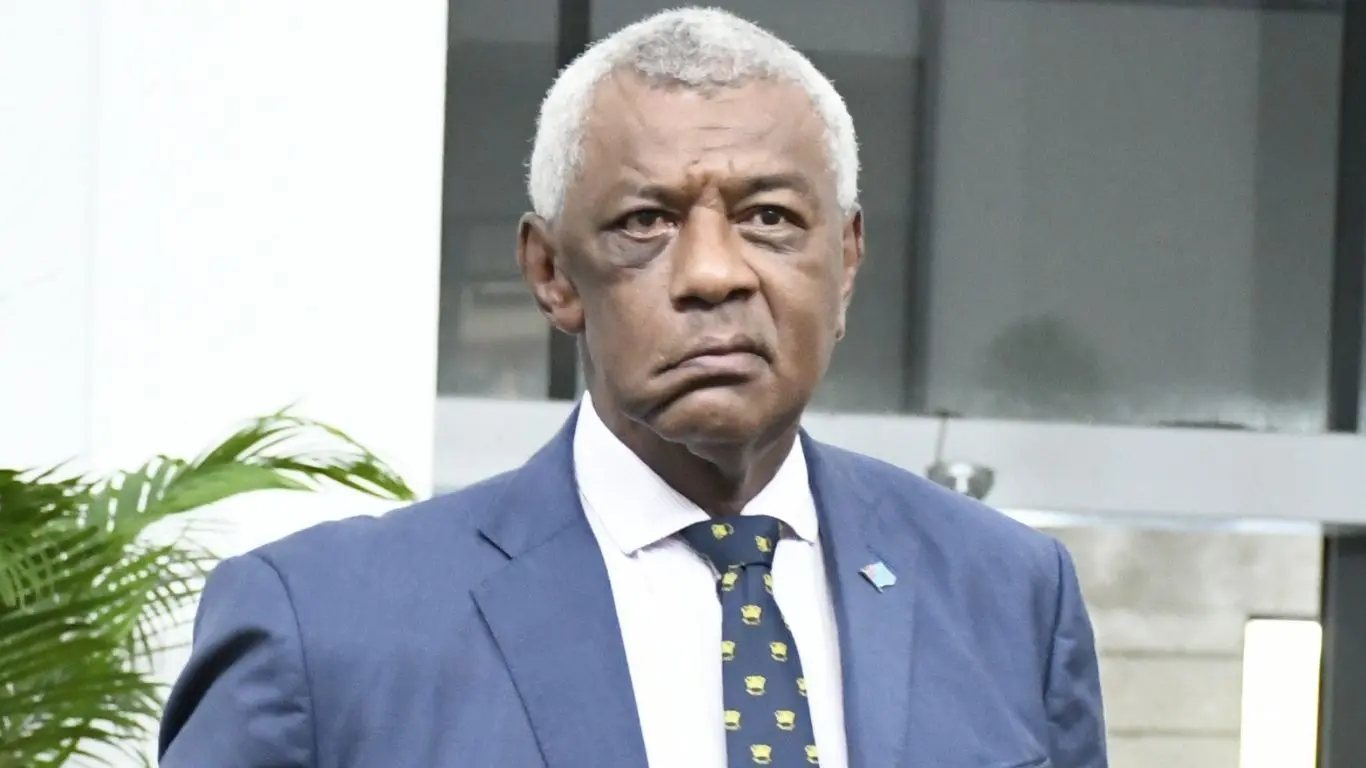
Opposition Member of Parliament, Ketan Lal.
Photo: Beranadeta Nagatalevu
The High Court in Suva is expected to rule today on whether Parliament followed the Constitution’s requirements in advancing a proposed constitutional amendment.
Opposition MP Ketan Lal is seeking court intervention to halt the process until the legal issues are resolved.
All parties appeared before Justice Dane Tuiqereqere yesterday afternoon.
Mr Lal’s lawyer, Mohammed Saneem, argued that Parliament must comply with the current Constitution before amending it. He said the court had jurisdiction to determine whether the required voting threshold had been met and whether the process could lawfully proceed to a referendum.
The applicants warned that allowing the process to continue before the legal challenge was resolved could cause harm that would be difficult to reverse. They argued that a temporary halt would clarify the correct procedure before public money was committed to a referendum.
At the centre of the dispute is the two-thirds majority required for constitutional amendments.
Solicitor-General Ropate Green Lomavatu told the court that the threshold should be calculated using 53 sitting MPs rather than 55, following the deaths of two parliamentarians and the resulting vacant seats.
He argued that the two-thirds majority should be calculated based on members present and voting, including those participating virtually with approval.
Mr Saneem challenged this interpretation and asked the court to determine the correct threshold.
However, Mr Lomavatu urged the court not to intervene, arguing that parliamentary procedures, voting requirements and standing orders should be dealt with by Parliament itself.
The respondents argued that parliamentary privilege and the separation of powers prevented the court from reviewing the ongoing legislative process at this stage.
They also challenged the use of certain evidence, arguing that parliamentary proceedings and records were protected by privilege laws.
During the hearing, Justice Tuiqereqere questioned both sides about parliamentary privilege, including why records available to the public online might be restricted from use as evidence in court.
The court also considered whether an injunction would improperly interfere with Parliament’s functions and whether the matter was urgent enough to justify intervention.
Feedback: Beranadeta@fijisun.com.fj