Man convicted over $22,231 cyclone assistance card loss
Atunaisa Torani Ravatu was found guilty of three counts of general dishonesty linked to the Government’s Help for Homes initiative.
Tuesday 13 October 2026 | 16:30

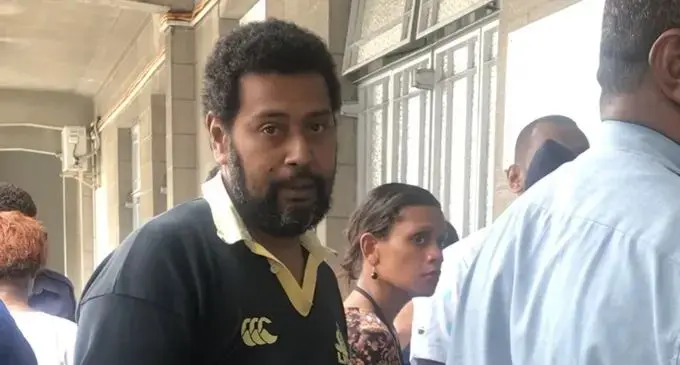
A man who handled cyclone recovery assistance cards intended to help villagers rebuild their homes has been convicted of dishonesty.
The Suva Magistrate Court found that he controlled thousands of dollars in cashback payments without the cardholders’ consent.
Atunaisa Torani Ravatu appeared before Magistrate Shelyn Kiran. He was found guilty today of three counts of general dishonesty linked to the Government’s Help for Homes initiative, which supported households affected by Tropical Cyclone Winston in 2016.
Related stories
The court found that Ravatu dishonestly caused a loss of $22,231.22 through the misappropriation of M-PAiSA cards belonging to villagers from Vuna District, Taveuni.
He was also convicted of obtaining cashback payments of $1600 and $2000 from hardware retailer Vinod Patel in Suva and Sigatoka respectively.
The court heard that the Government’s Help for Homes initiative provided eligible households with electronic cards to purchase building materials to repair or rebuild their cyclone-damaged homes.
Ravatu took cards belonging to villagers to Vinod Patel outlets, claiming he represented the cardholders and had their authority to make purchases.
However, the court found that he received cashback payments generated through a retailer promotion offering $200 for each card on which $7000 was spent.
Retail manager Mark Anthony Rajiv Kumar told the court that Ravatu brought 10 cards to the Centrepoint branch in Suva and seven cards to the Sigatoka branch.
The court’s findings on the cashback transactions were based on evidence relating to 10 customers in Suva and eight in Sigatoka.
Ravatu argued that there was no evidence he had dishonestly received the money. His defence also referred to transportation costs incurred in moving building materials to Taveuni.
However, Magistrate Kiran found no evidence that the cashback money had been used to pay for transportation.
The court also considered Ravatu’s caution interview, in which he admitted using other people’s money without their consent and acknowledged that his actions were wrong.
The prosecution called 13 witnesses during the trial, while Ravatu chose to remain silent after the court ruled there was a case for him to answer.
The court called for mitigation submissions and pre-sentence reports before sentencing.