Korobaba assignment turns into conservation effort for FNU students
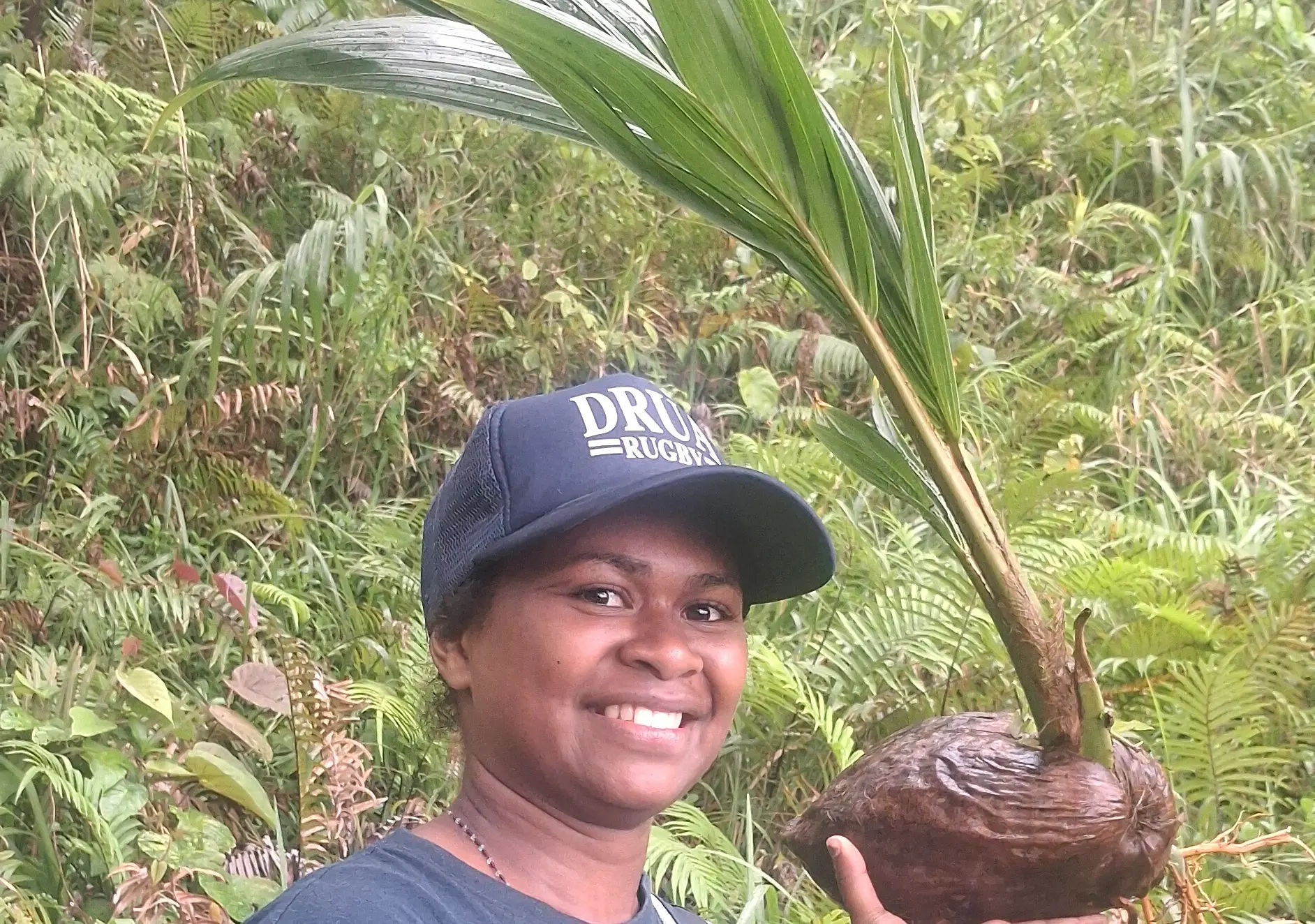
Under the guidance of their lecturer, the students planted five coconut trees along the trail and installed environmentally friendly signs encouraging hikers not to litter.
Wednesday 30 September 2026 | 07:00
Updated 02 October 2026 | 17:34 FJT

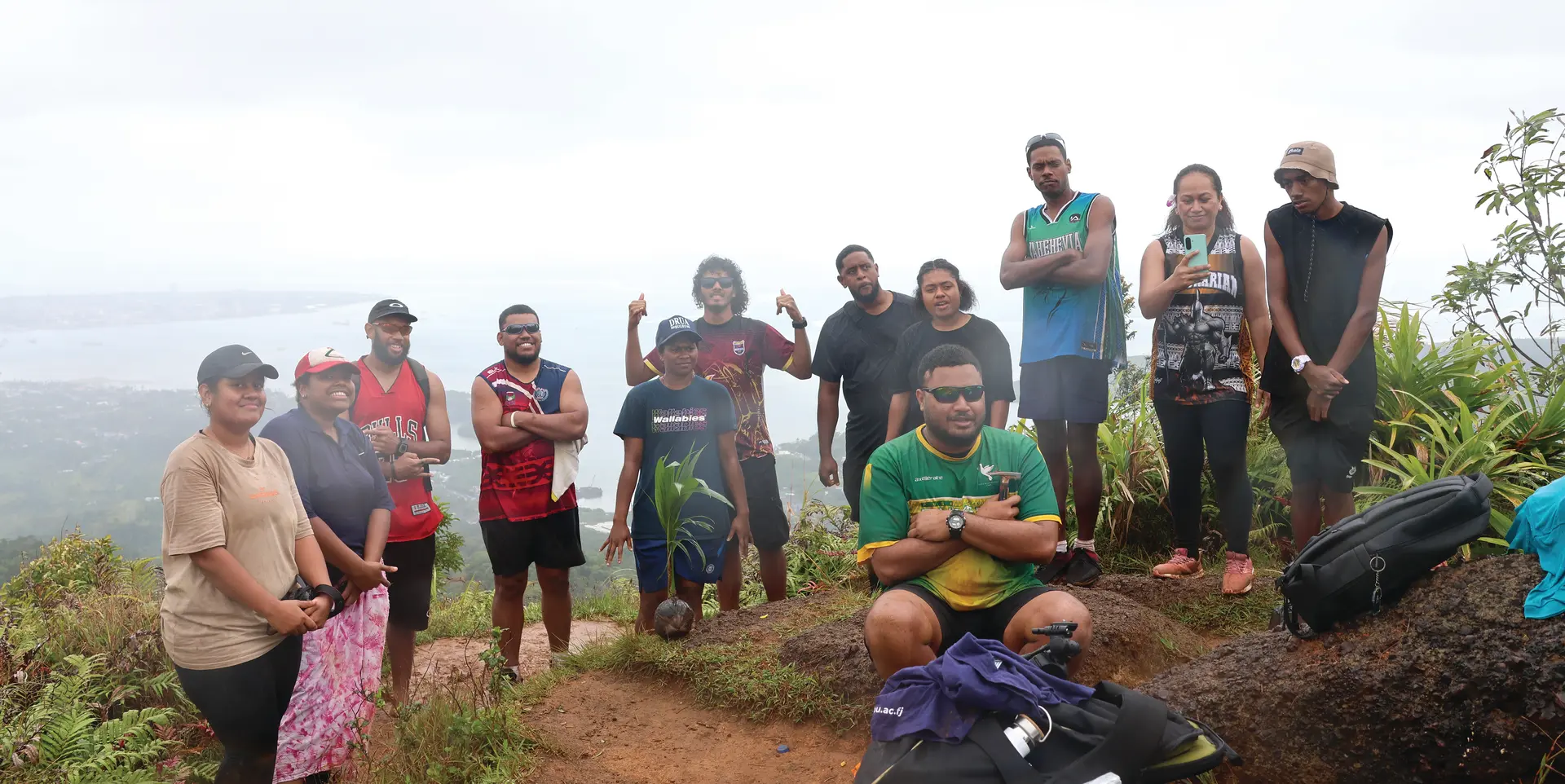
Fourteen graphics students from FNU’s Creative Arts Department climbed Mount Korobaba on September 23 with their cameras to capture light, nature and landscapes as part of their photography studies.
A photography assignment at Mount Korobaba turned into a conservation effort when Fiji National University (FNU) students planted five coconut trees and installed anti-litter signs along the popular hiking trail.
Fourteen graphics students from FNU’s Creative Arts Department climbed Mount Korobaba on September 23 with their cameras to capture light, nature and landscapes as part of their photography studies.
But the expedition went beyond their classroom assignment as the students also took part in efforts to protect and preserve the environment they had come to photograph.
Related stories
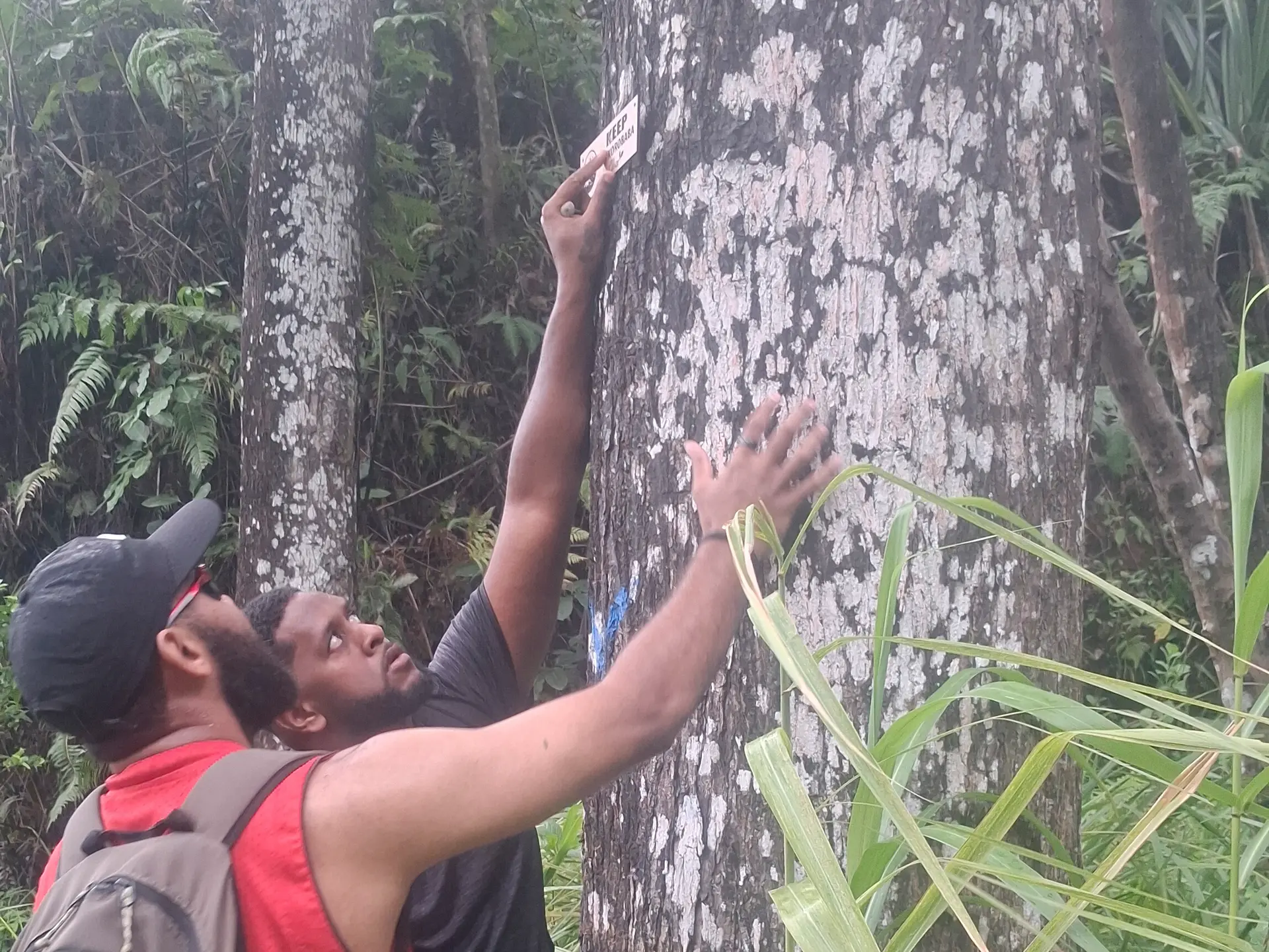
Under the guidance of their lecturer, the students planted five coconut trees along the trail and installed environmentally friendly signs encouraging hikers not to litter.
FNU Associate Dean of Technical and Vocational Education and Training (TVET) at the College of Humanities, Education and Law and Creative Arts senior lecturer Jerry Wong said he had been taking students on similar expeditions for more than a decade.
“I’ve been doing this with my students for over a decade now and taking students up on creative expeditions to get them to appreciate nature, clean up, and capture the natural beauty and scenic view of the city from Mount Korobaba by way of photography.
“A few times we have put up ‘No Rubbish’ ‘Do Not Litter’ and ‘Keep Korobaba Clean’ but sadly someone vandalises the signs. So this year we put up a few more with the help of one of my students, Krishan Prasad, who produced the signs using eco-friendly plywood that were made by his own entrepreneurship small business.
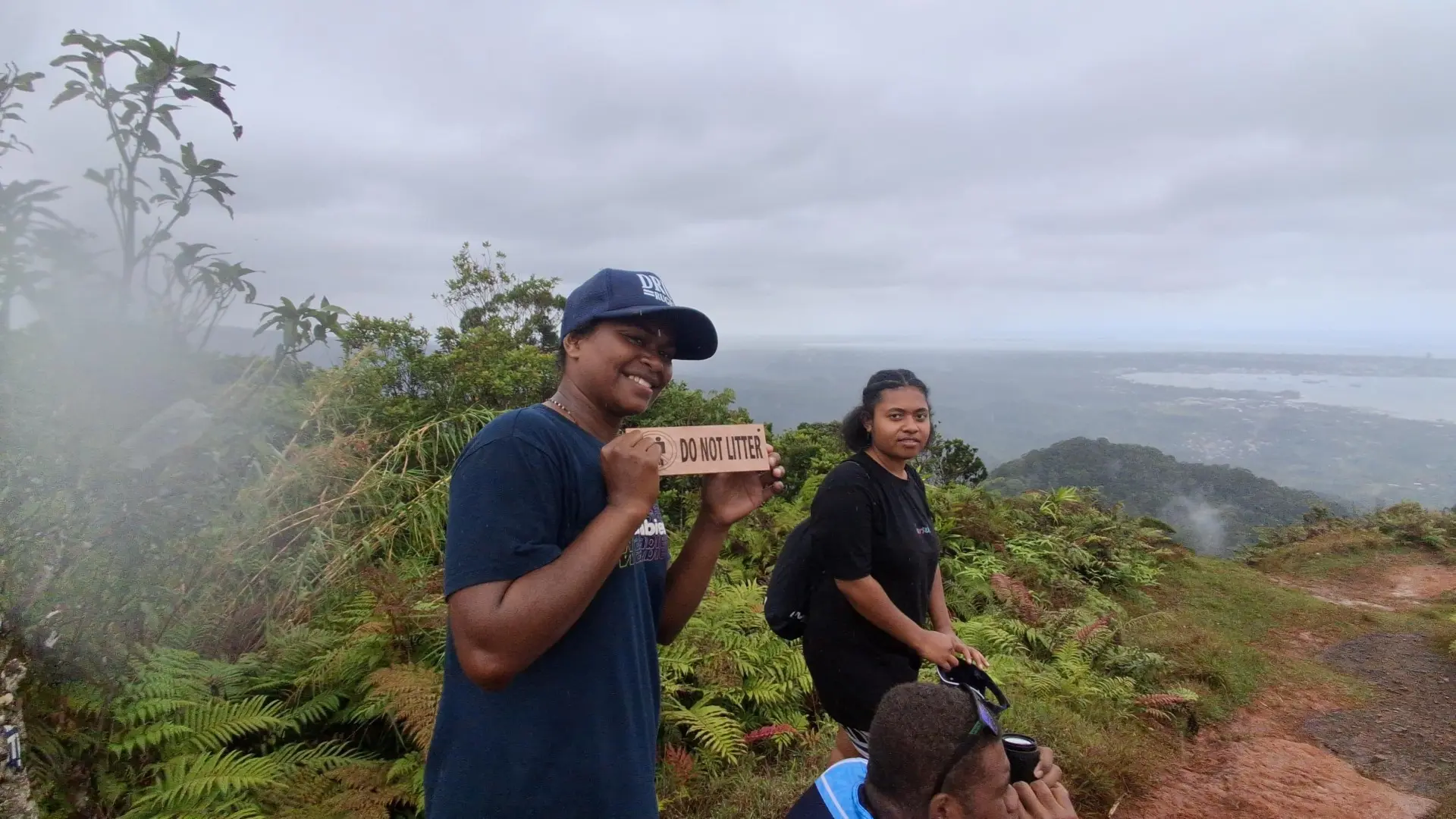
“Thanks to him we have natural materials with engraved letters pointing climbers toward No Littering and the mindset they must have and that is to keep Mount Korobaba clean and beautifully natural. No waste and no destroying the environment. To keep it as God created it to be.
“We also planted five coconut trees along the hiking trail and this was pre-approved by the landowners of mataqali (clan) Waiqanake specifically Ratu Tevita Qounadovu.”
Signs replaced after vandalism
The new signs replace previous anti-litter signs that Mr Wong said had been vandalised.
Student Krishan Prasad produced the signs from eco-friendly plywood through his small business.
The students also used the expedition to photograph Mount Korobaba’s natural environment while putting their classroom lessons into practice.
Mount Korobaba, on the outskirts of Lami, rises more than 400 metres above sea level and is known for its steep and muddy hiking trail through dense rainforest.
The expedition became more challenging during the descent when rain left the trail wet and slippery.
Student Elina Tinanisalala said: “Every step down the steep, slippery trail was a test of balance. The mud had turned slick and unforgiving, swallowing whatever traction that remained in our boots.”
Despite the conditions, the students returned having completed more than their photography assignment — leaving behind trees and signs intended to encourage future hikers to care for the mountain.