Tabuya urges faster climate funding for vulnerable communities
Ms Tabuya warned that global warming combined with an unprecedented El Niño event offered a glimpse of future climate challenges if the world failed to keep the 1.5°C target within reach.
Sunday 15 November 2026 | 10:00
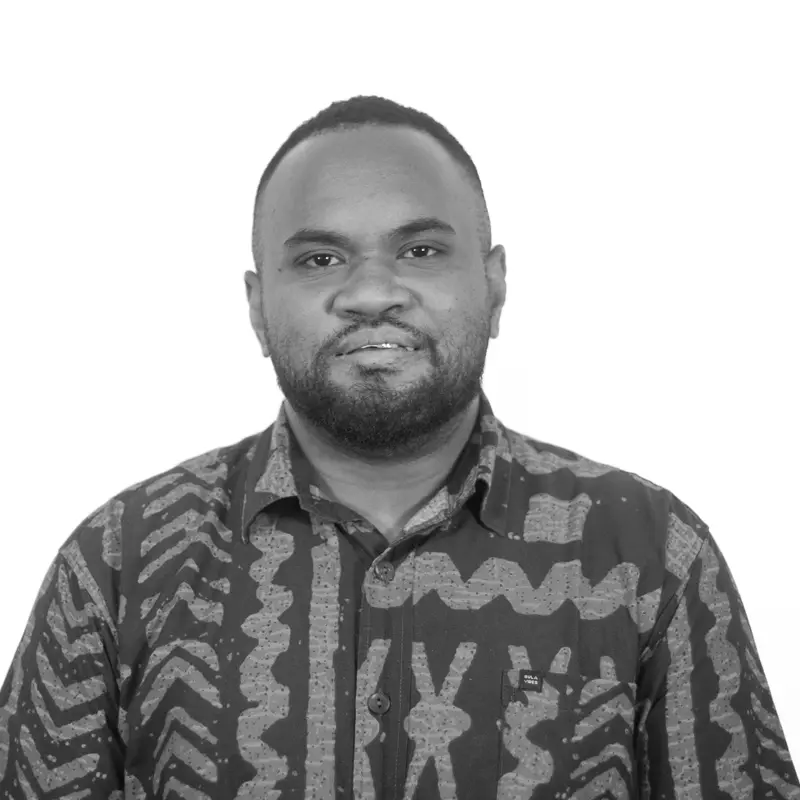
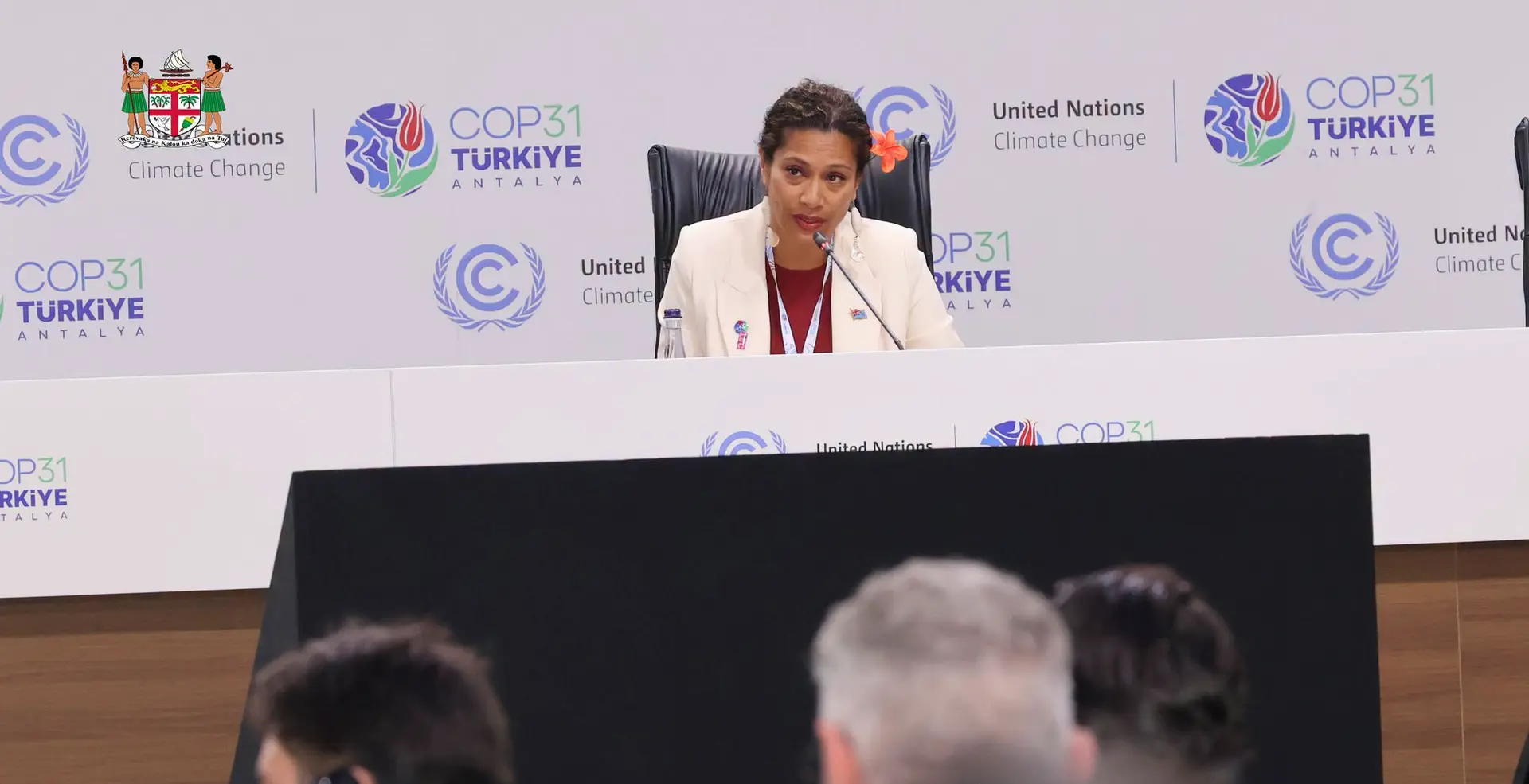
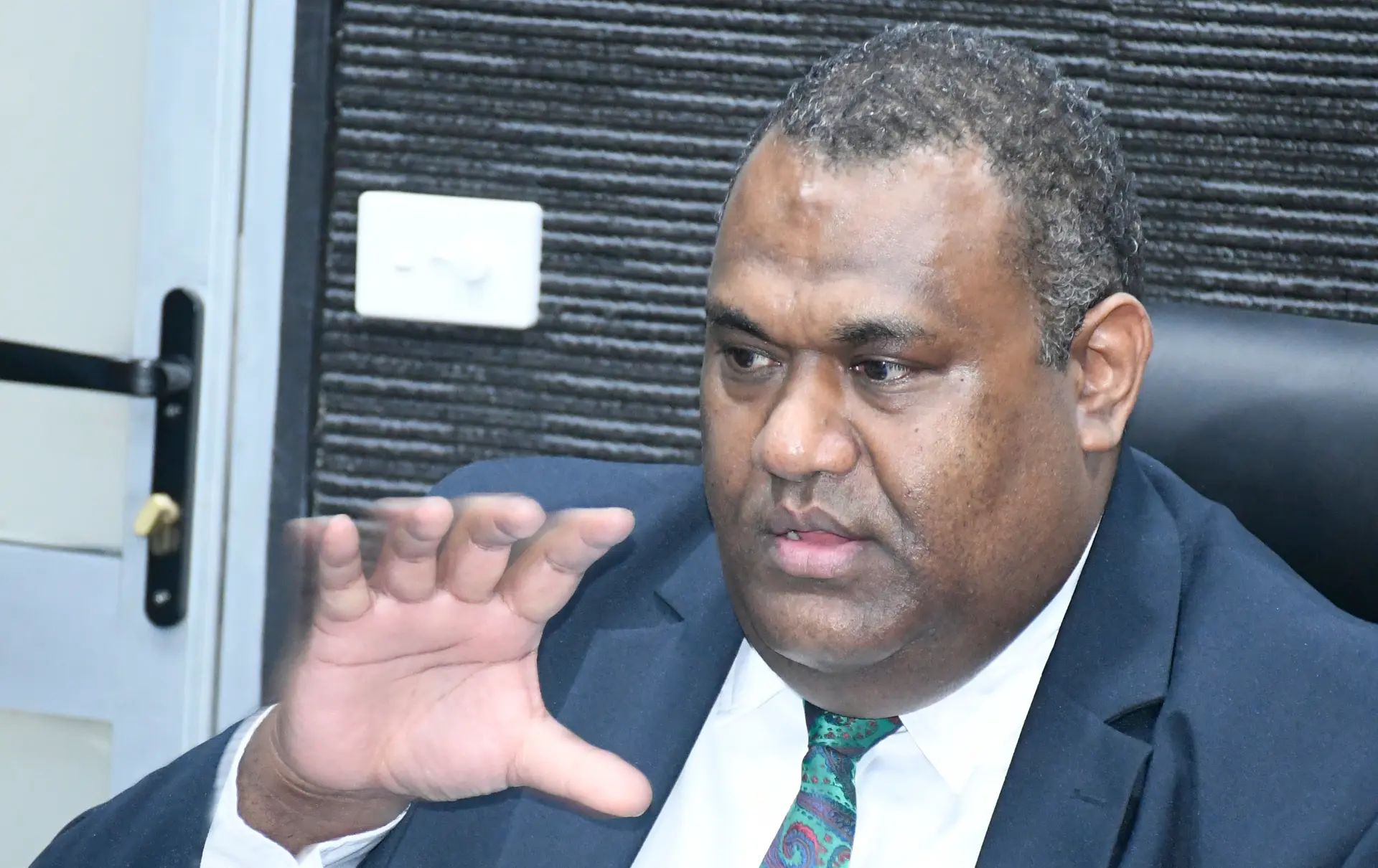
Minister for Information, Environment and Climate Change Lynda Tabuya.
Fiji Government
Small Island Developing States receive only about three per cent of global climate finance, despite the global USD100 billion climate finance goal being met for three consecutive years, Minister for Information, Environment and Climate Change Lynda Tabuya says.
“Our communities cannot afford to wait for finance to reach them.”
Speaking at a ministerial session on the climate finance needs of Small Island Developing States and Least Developed Countries at COP31 in Antalya, Türkiye, Ms Tabuya called for faster, simpler funding to reach communities on the frontline of climate change.
Related stories
She said adaptation finance accounted for just 28 per cent of climate finance, and warned that increasing funding alone would not deliver more solutions if vulnerable countries continued to face barriers to accessing it.
Without fixing access, increasing the finance available alone will not easily equate to more solutions on the ground for our communities, she said.
Ms Tabuya warned that global warming combined with an unprecedented El Niño event offered a glimpse of future climate challenges if the world failed to keep the 1.5°C target within reach.
She highlighted the Pacific Resilience Facility, a Pacific-led, member-owned regional financing facility established to provide predictable funding to frontline communities.
Ms Tabuya called on development partners, multilateral development banks and climate funds to simplify requirements, speed up approvals and prioritise grant-based financing.
She said communities needed support for coastal protection, water security, food systems and resilience.