Civil society leaders hit back at minister’s criticism
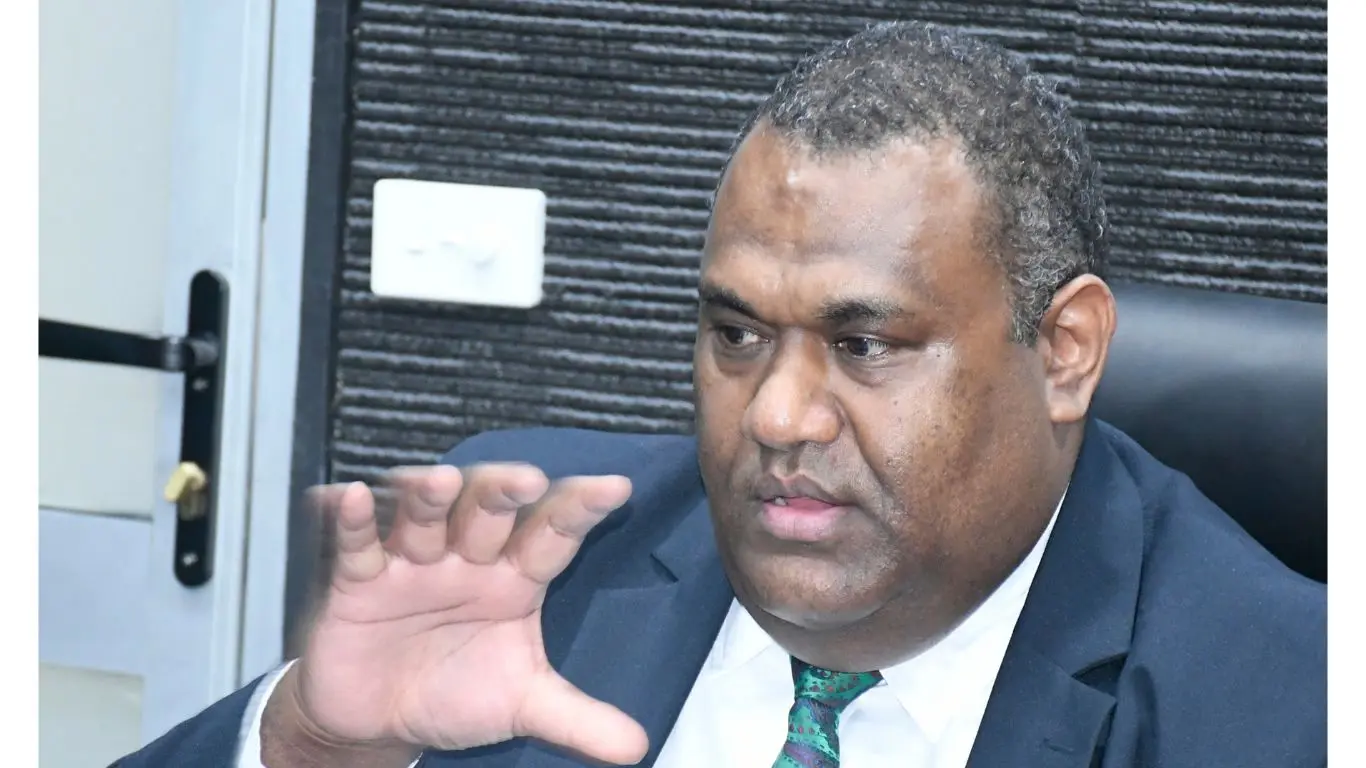
Mr Lal said the minister was either “very ignorant or maybe he’s willfully ignorant” about the role of civil society.
Saturday 14 November 2026 | 08:30


Three civil society leaders have defended their role in democracy after Public Works Minister Ro Filipe Tuisawau said NGO leaders should either remain in their roles or enter politics.
Centre for Democracy and Dialogue chief executive Nilesh Lal, Fiji Council of Social Services executive director Vani Catanasiga and Fiji Women’s Rights Movement executive director Nalini Singh also said a Ministry of Justice response on centralised vote counting had failed to ease their concerns.
Ro Filipe wrote on Thursday that NGO leaders must “remain a NGO leader or become a politician and stand in elections”.
Related stories
“You cannot be both!!!” he said.
Mr Lal said the minister was either “very ignorant or maybe he’s willfully ignorant” about the role of civil society.
“We are not a political opposition,” he said. “When you sign up for public office, you need to open yourself to critical scrutiny.”
Ms Catanasiga said she did not want to respond to the Facebook post.
“It’ll make me stoop to his level,” she said.
She said FCOSS had been around for 70 years.
“We are not going anywhere because we care about this country,” Ms Catanasiga said.
She recalled that the council had once met Ro Filipe to discuss communities’ need for water.
“At that time he didn’t tell us that we were useless,” she said.
Ms Singh said civil society did not need to contest elections to play a role in democracy.
“Being elected to Parliament does not place representatives above scrutiny,” she said.
Counting concerns remain
The leaders said a statement issued on Wednesday by Minister responsible for Elections Filimoni Vosarogo had not eased their concerns about centralised counting.
The Ministry of Justice said section 89A did not make centralised counting compulsory and that the Electoral Commission could decide independently.
Mr Lal said the explanation was “absolutely not satisfactory”.
“They’ve created uncertainty about it when there was none,” he said.
He warned of a risk of ballot tampering without clear custody arrangements.
Asked if she was satisfied with the Ministry’s response, Ms Catanasiga said: “No, it’s even reinforced.”
She called the Ministry’s flexibility argument “a red flag”.
“Process legitimacy trumps administrative efficiency when it comes to elections,” she said.
Ms Singh said FWRM acknowledged Mr Vosarogo’s response and would continue pushing for “clear, legally established safeguards”.