Community partnerships key to protecting Fiji’s ocean
Blue Prosperity Fiji adviser Joeli Veitayaki says local leadership and community knowledge can guide marine conservation and resource management.
Sunday 11 October 2026 | 15:00
Updated 11 October 2026 | 17:02 FJT


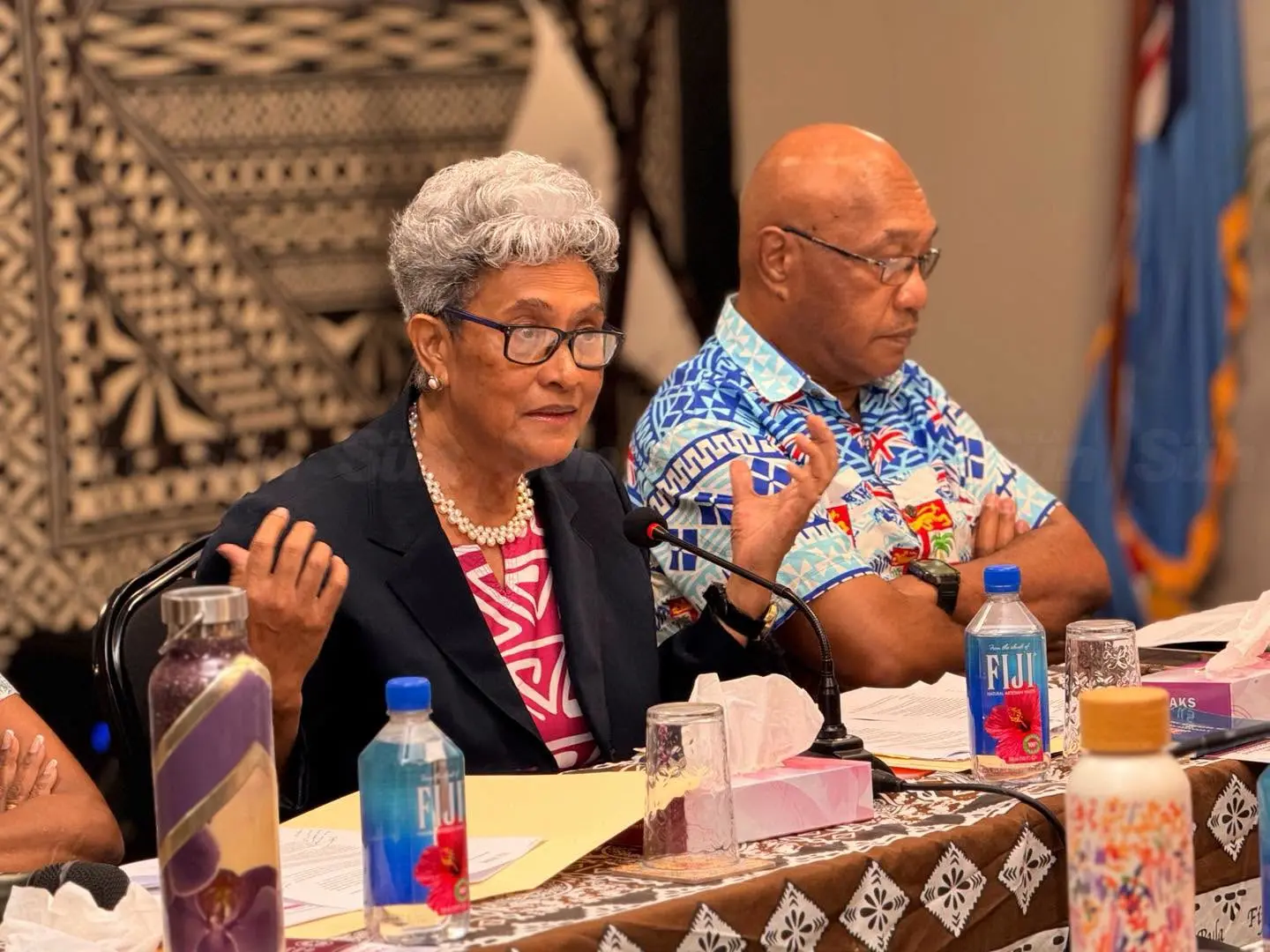
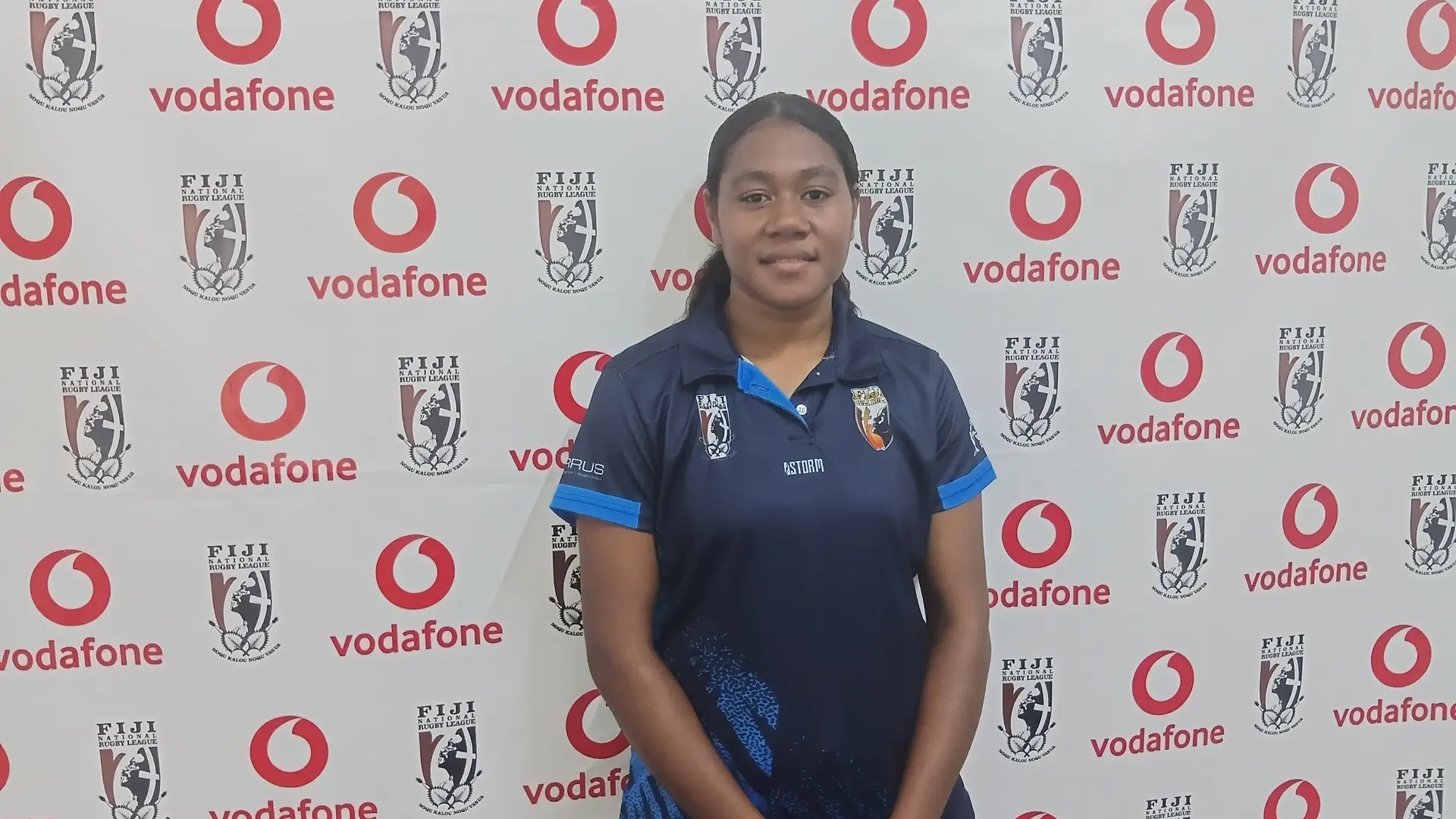
Blue Prosperity Fiji (BPF) strategic adviser and USP School of Marine Studies Associate Professor Joeli Veitayaki at Hilton Fiji Beach Resort and Spa in Nadi.
Photo: Fiji National University
Genuine partnerships with resource-owning communities are key to protecting Fiji’s ocean, with local leadership and traditional knowledge helping guide decisions on marine resource management.
Blue Prosperity Fiji (BPF) strategic adviser and University of the South Pacific (USP) School of Marine Studies Associate Professor Joeli Veitayaki said Fiji’s experience offered lessons for other Pacific nations.
Speaking at the Pre-COP31 Investing in Natural Capital: The Pacific Opportunity event at Hilton Fiji Beach Resort and Spa in Nadi this week, Mr Veitayaki said economic growth could go hand in hand with a healthy marine environment.
Related stories
“Economic growth can coexist with a healthy environment, a real blue environment that is vibrant and healthy and capable of supporting and delivering on the demands levied by society,” he said.
He said BPF consulted customary resource owners across Fiji’s provinces and sought community permission before conducting marine expeditions.
The approach recognises the role of iTaukei communities in managing their traditional fishing grounds, known as qoliqoli, and the importance of working with resource owners, Government agencies and other organisations to achieve lasting results.
Mr Veitayaki said scientific expedition data covering the Fiji group was available through the Government, creating opportunities to support marine conservation and resource management.
He added that BPF was using SeaSketch to conduct marine science surveys with communities.
“We go to communities and ask them to identify the coastal areas they use most for their activities. We then use the information to create heat maps to encourage better decision-making at the village and community level on the use of marine spaces,” he said.
He highlighted community initiatives, including work with the Natural Resource Owners Committee (NROC) and a trial involving dairo, or beach-de-mer, in Serua.
Mr Veitayaki said Rotuma also demonstrated the importance of local leadership, with its council playing a strong role on the island.
He called for greater public awareness of successful conservation efforts and faster action to protect marine resources for future generations.
“We all have to do what we can to make the change we deserve to have given over to our grandchildren’s children,” he said.