Drug cases reported in schools rose last year, says Education Minister
3,143 cases recorded in 2025, with secondary school cases increasing from 1,383 to 1,635.
Thursday 01 October 2026 | 08:00
Updated 01 October 2026 | 10:41 FJT

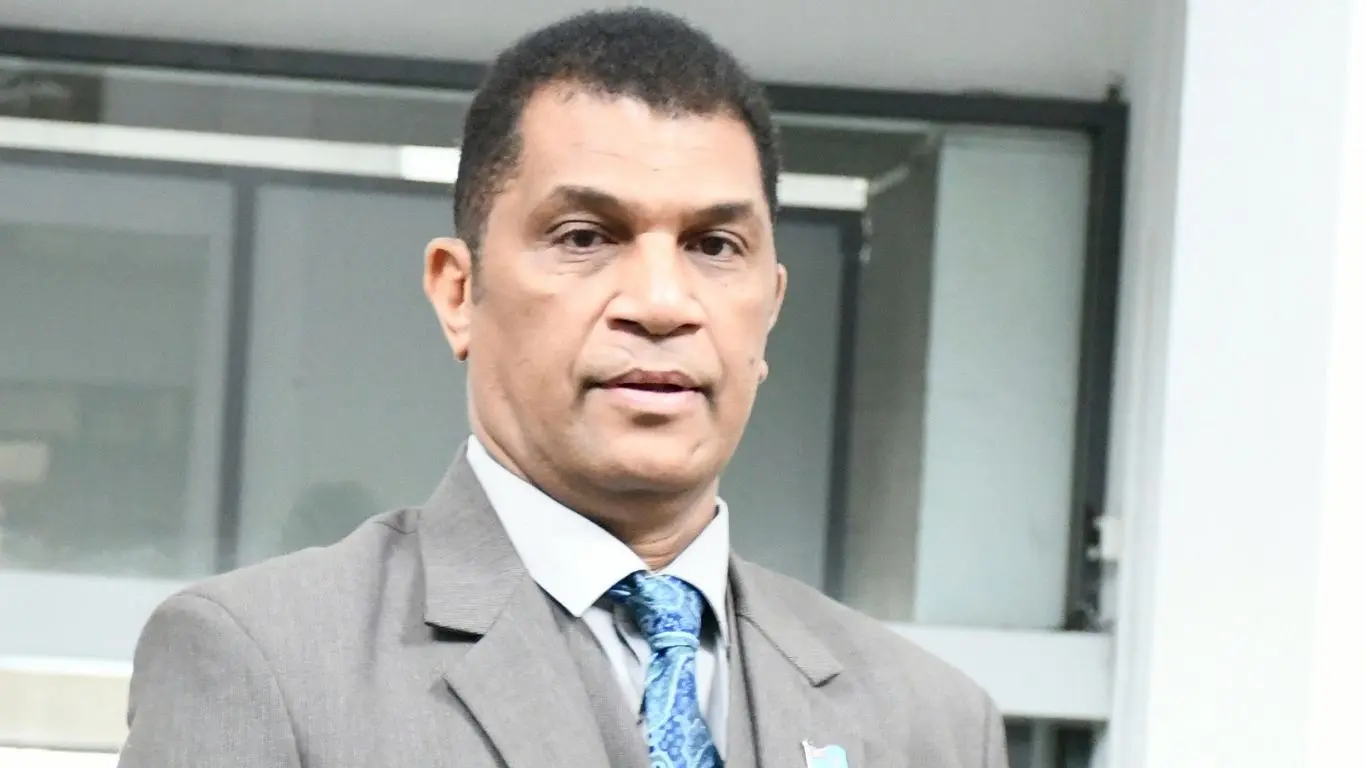
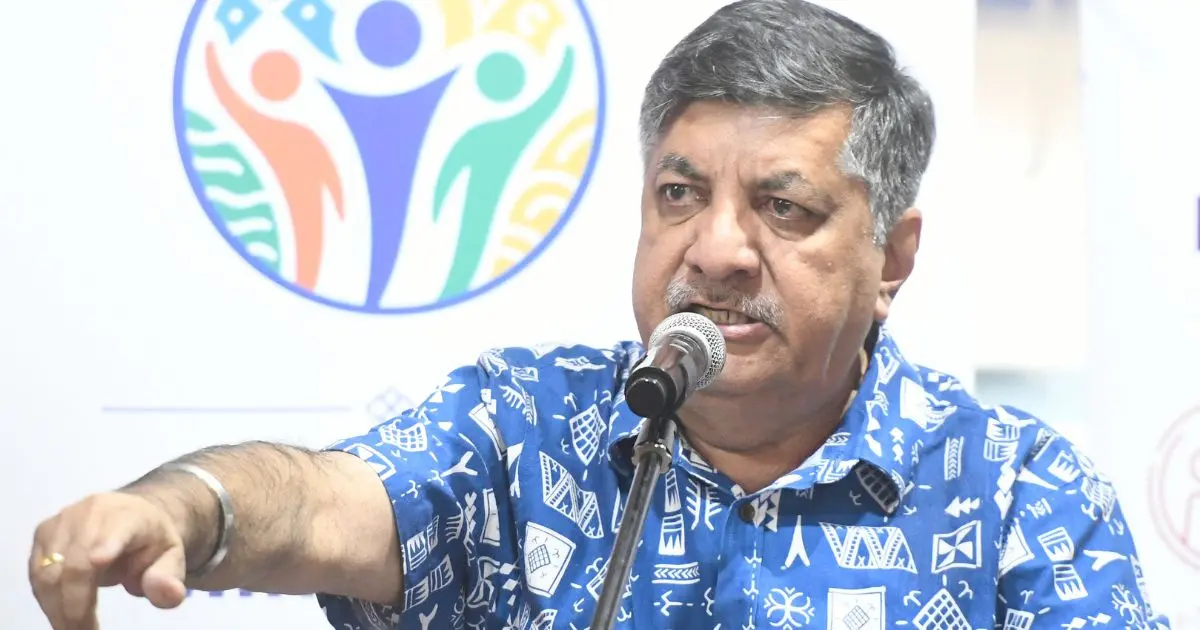
Minister for Education Aseri Radrodro outside Parliament on September 30 2026.
Photo: Ronald Kumar
Drug-related cases in Fiji schools rose again last year, with 3,143 cases reported among primary and secondary students.
This was revealed by Minister for Education Aseri Radrodro in Parliament, who clarified that the number increased from 3,041 cases in 2024 despite ongoing prevention, counselling, mentoring and awareness programmes.
The 2025 figure included 1,508 cases in primary schools and 1,635 cases in secondary schools.
Related stories
This was higher than the 1,658 primary school cases and 1,383 secondary school cases recorded in 2024.
The Ministry recorded 3,627 cases in 2023, including 1,578 in primary schools and 2,049 in secondary schools.
“Ministry’s target now was to keep drug-related cases below two per cent through prevention, counselling, mentoring and support,” Mr Radrodro said.
The cases involved substances including suki, cigarettes, vaping products, alcohol, inhalant glue and marijuana.
Mr Radrodro said there were no reported cases of methamphetamine use in schools during the period.
He said students involved in drug-related cases remained in the school system, where they were monitored by teachers and child protection officers, with parents and guardians involved in follow-up support.
“For students involved with illicit drugs such as marijuana, the Substance Abuse Advisory Council works with the Fiji Police Force Juvenile Unit and the Department of Children for these issues,” he said.
Mr Radrodro said schools could also impose disciplinary measures, including loss of privileges, community work, suspension or, as a last option, moving a student to another school.
He said tackling the problem could not be left to the Ministry of Education alone.
“The issue of drugs in school is a shared responsibility,” Mr Radrodro said.
He said families, the vanua, Government, religious organisations and civil society all had a role to play in addressing drug-related problems among children.
The Ministry has also expanded CCTV coverage from 154 schools to 222 schools, while continuing drug awareness and counselling programmes.
Feedback: rariqi.turner@fijisun.com.fj