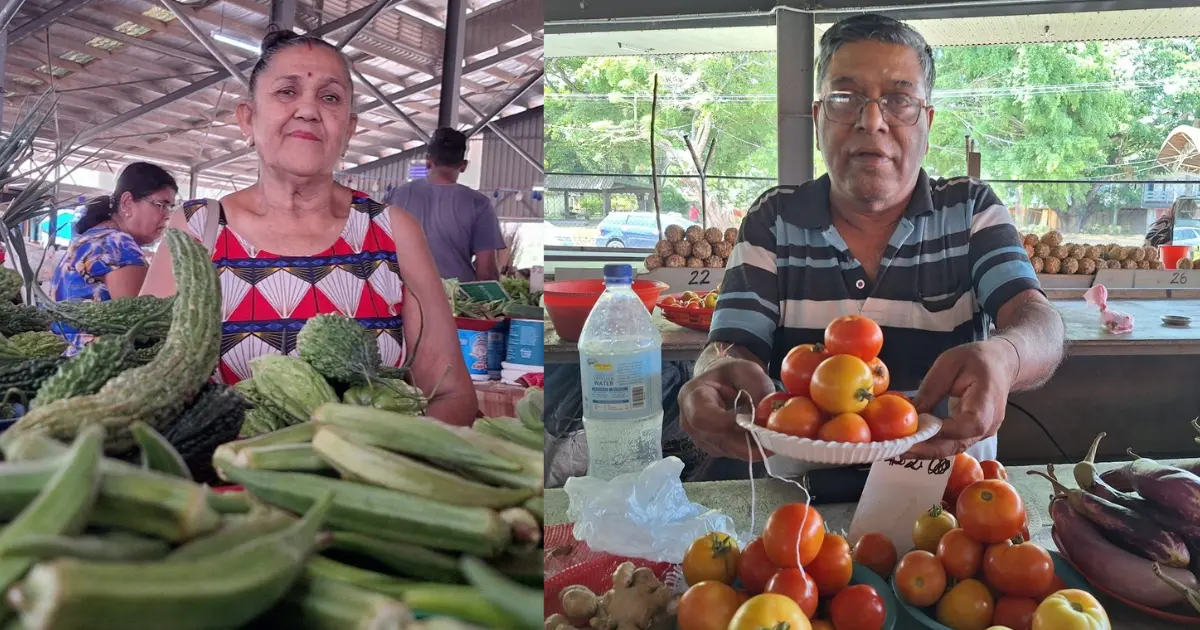
El Niño impacts could extend into mid-2027, warns Tunabuna
Farmers are being urged to prepare for prolonged drought conditions, with El Nino's effects expected to continue further.
Sunday 01 November 2026 | 16:30

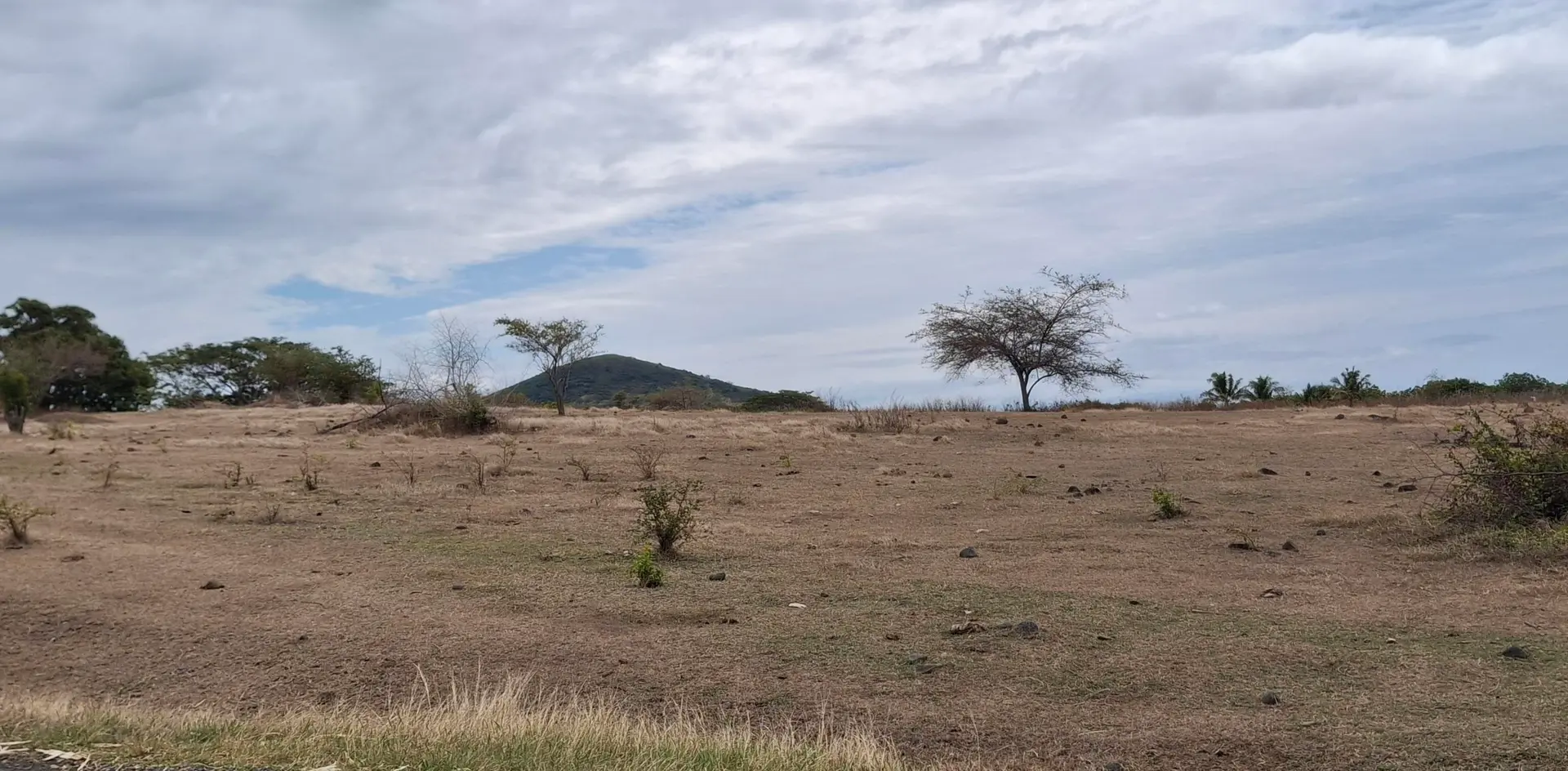
The Water Authority of Fiji is supplementing stressed water sources through additional pumping and temporary pump stations.
The effects of prolonged dry spell could extend into the middle of 2027, threatening sugarcane production, water supplies and livelihoods in parts of Fiji.
Minister for Agriculture, Waterways and Sugar Industry Tomasi Tunabuna issued the warning as sugarcane farmers in the North struggle with dry conditions while racing to complete harvesting ahead of the scheduled closure of the Labasa Sugar Mill's 2026 crushing season.
Mr Tunabuna said the potential impacts of El Niño were expected to continue until March 2027, with the effects of dry weather possibly lasting even longer.
Related stories
During his recent visit to the Northern Division, he held talanoa sessions with sugarcane farmers and urged them to prepare for worsening conditions.
He said farmers needed to take proactive measures to protect their crops, farms and livelihoods.
“We need to critically look at how we are going to address and survive when drought hits hard on us,” Mr Tunabuna said.
“Some predictions are already saying that we will have people dying from hunger, not here in Fiji probably, but around the globe.
“That's the weirdest situation on severe drought of all times.”
Mr Tunabuna urged farmers to consider how they would secure enough drinking water for their families and livestock.
He said the Government also needed to consider measures to maintain water supplies during prolonged dry conditions.
“Even though we can have the rainy season coming in March, the effect, the impact of this dry weather will extend into the middle of next year,” he said.
“So, let's start discussing things amongst ourselves when we sit around on how we can make an effort to address the drought situation.”
Mr Tunabuna said everyone had a responsibility to conserve water, alongside the Government's efforts to maintain supplies.
Farmers struggle with water shortages
Women sugarcane farmers in Labasa say the dry conditions are already affecting household water supplies, livestock and farming activities.
Shakuntala Devi, Nazimun Khan, Veda Singh, Sarojni Devi, Kiran Lata and Tamalesi Diloilo said they began experiencing the effects of the dry weather last month.
Ms Singh, of Batinikama, said water supplies were unavailable during the day and returned only at night.
“During the day, the water supply is switched off and water only comes after 9pm,” Ms Singh said.
“I must quickly fill containers for household chores, cooking and drinking. By the time I go out in the early hours of the morning to provide water for the livestock, the supply has stopped again.”
Ms Khan, of Korowiri, said the situation was forcing families to make difficult choices.
“We have to choose between water for family use and water for our animals,” Ms Khan said.
“It is difficult to know how long we are going to face this crisis.”
Ms Diloilo fears that insufficient rainfall could affect the 2027 sugarcane crop.
“As women, we want water to always be available. I think being a sugarcane farmer will become more challenging because water carts are normally used for household needs and not for farms,” Ms Diloilo said.
“In any time of crisis, Government has a plan to assist, and I hope something will be available for farmers.”
Water contingency plans activated
Minister for Public Works, Meteorological Services and Transport Ro Filipe Tuisawau has urged Fijians to conserve water as dry conditions continue.
In a statement, Mr Tuisawau said the Fiji Meteorological Service had advised that rainfall during El Niño was likely to remain below normal until the end of the year, with the driest period expected between October and December.
“I want to assure the public that water supply is continuing across most Water Authority of Fiji (WAF) systems nationally,” Mr Tuisawau said.
“However, WAF’s dry-weather contingency plans have been activated across all three regions, and teams are working on the ground each day to hold supply steady as dry weather continues.”
The Water Authority of Fiji is supplementing stressed water sources through additional pumping and temporary pump stations.
Other measures include increased monitoring of water sources, adjustments to pumping schedules, repairs to leaks and burst mains, and water carting where necessary.
Work is also continuing on rehabilitating water intakes and developing additional water sources to strengthen long-term drought resilience.
Mr Tuisawau warned that some measures could result in reduced water pressure or intermittent supplies.
“Where this occurs, I ask for the public’s understanding; These are deliberate and necessary steps that allow reservoirs and trunk mains to recover, and they are what enable WAF to keep water available to as many Fijians as possible, and for as long as possible, under the operating conditions this dry spell has created,” he said.
“WAF is working closely with the Fiji Meteorological Service and other agencies so that the response can be scaled as conditions evolve.”