FCCC warns of El Niño price pressures, steps up monitoring
The Commission has warned traders that drought or El Niño conditions will not justify overcharging, with price controls remaining in force and market inspections increasing.
Friday 18 September 2026 | 11:00

Drier conditions could reduce local agricultural output, with sugarcane identified as particularly vulnerable. Rice, cassava, dalo and other crops could also be affected.
AI Generated
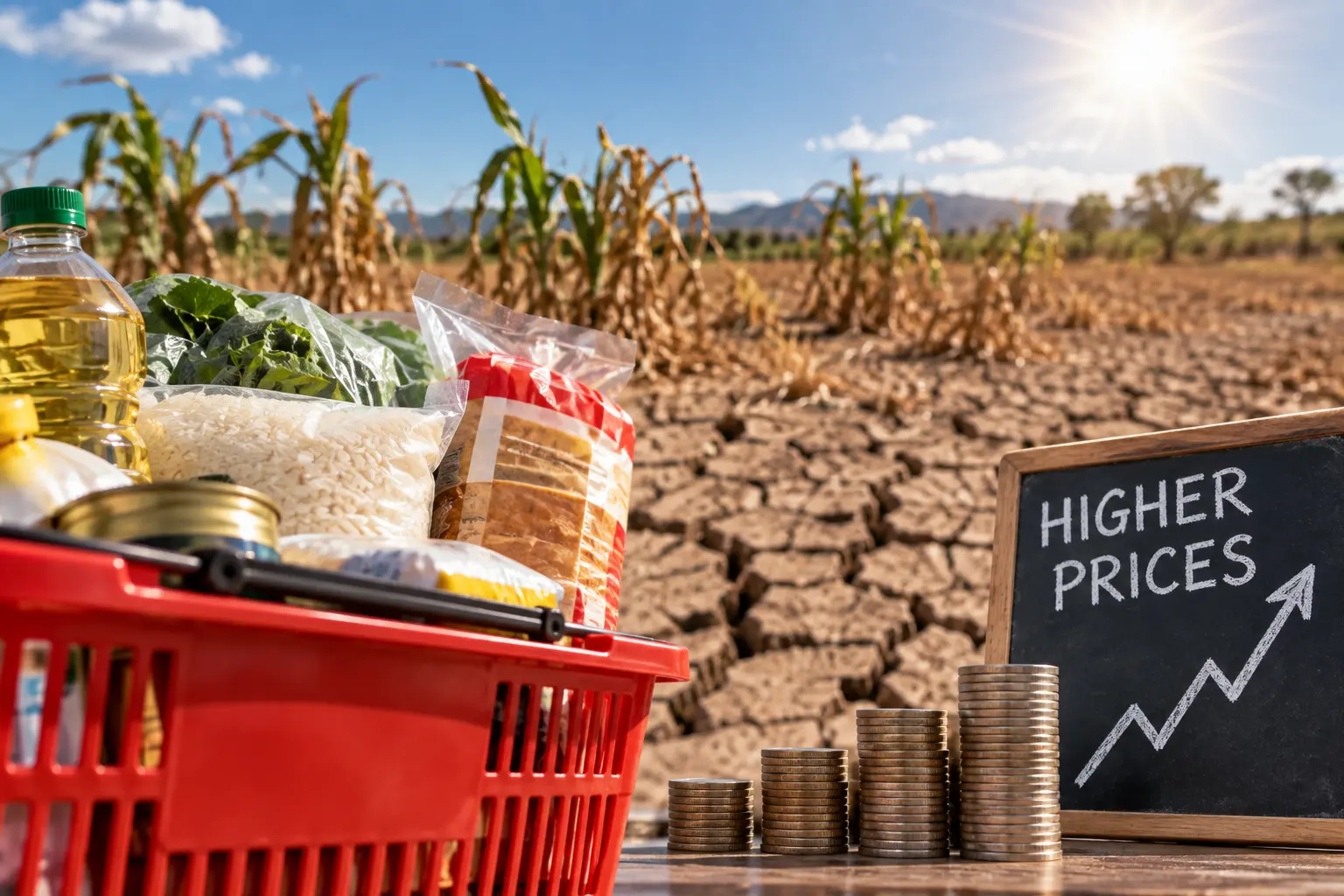
Fijians could face higher prices and reduced availability of some food and essential goods in the coming months as El Niño puts pressure on local agriculture and imported supplies.
The Fijian Competition and Consumer Commission (FCCC) has warned that developing El Niño conditions could place upward pressure on the cost and availability of food, freight and essential goods.
At the same time, the Commission has warned traders that drought or El Niño conditions will not justify overcharging, with price controls remaining in force and market inspections increasing.
Related stories
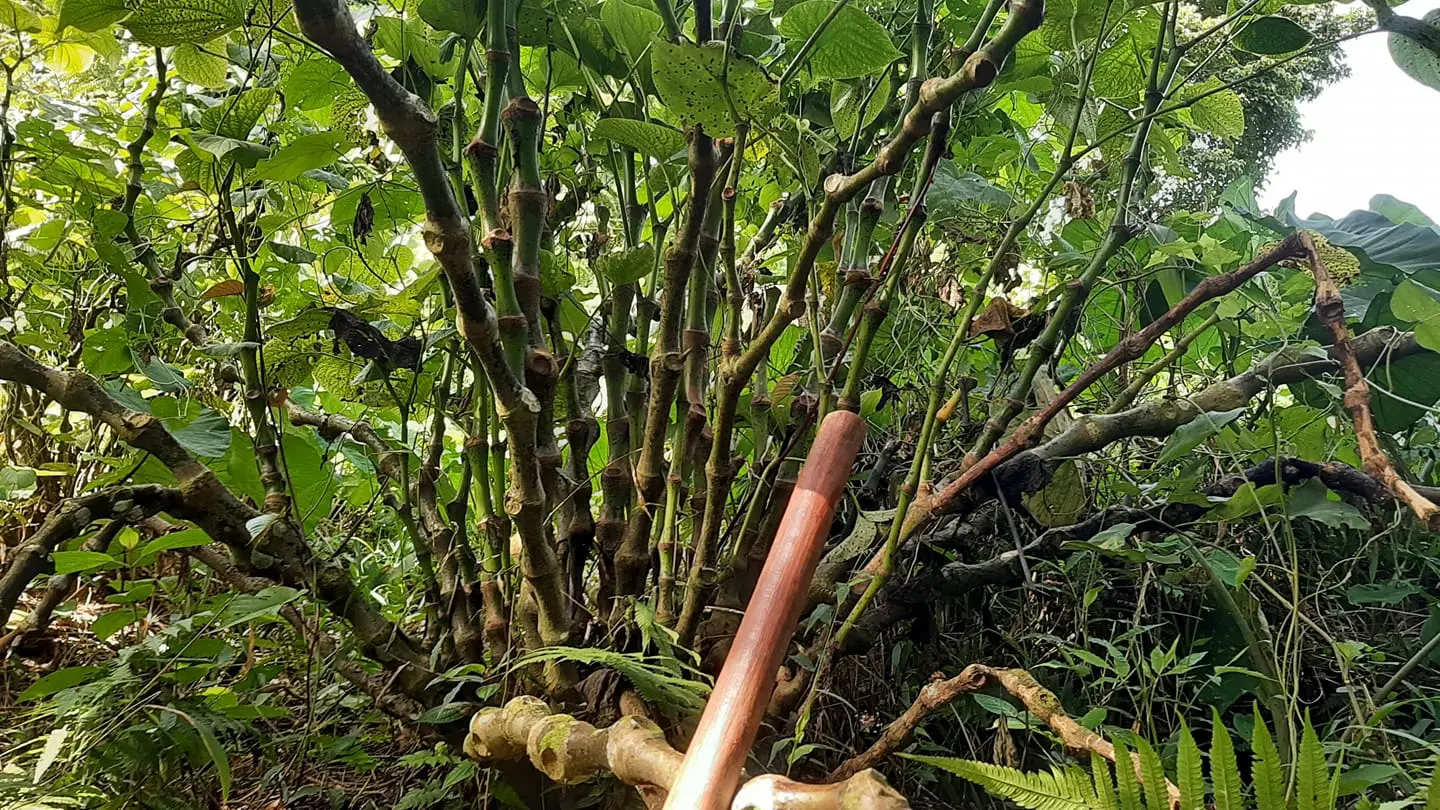
Drier conditions could reduce local agricultural output, with sugarcane identified as particularly vulnerable. Rice, cassava, dalo and other crops could also be affected.
The FCCC pointed to the 1997/98 drought, described in research literature as a one-in-100-year event, when the sugarcane harvest was reduced by 50 per cent after decreased rainfall across two consecutive dry seasons. In some areas, crops were destroyed entirely.
Fiji's reliance on imported finished goods and raw materials also leaves the country exposed to overseas price movements.
If local crop yields decline, demand for imported substitutes could increase, adding pressure to supply and landed costs, particularly for products that are not price-controlled.
International product prices, freight and logistics costs and elevated fertiliser costs associated with the ongoing global conflict in the Gulf region could also affect domestic prices for imported food and groceries.
“Prices will move during this period, and much of that movement may reflect genuine costs. FCCC’s role is to ensure that every increase is supported by evidence and to act where it is not.”
The FCCC said not every price increase during a dry season amounted to exploitation.
It said a genuine crop failure could result in higher market prices, while goods sold in the outer islands legitimately carried freight within their zoned prices.
Traders, however, would be required to provide evidence supporting price increases.
The Master Price List for basic food items, pharmaceuticals and petroleum products will continue to apply.
Traders must be able to show total into-store costs, freight and delivery charges and the calculations behind markups.
The FCCC said records would be requested during routine and unannounced audits, with the absence of records itself considered a compliance failure.
“A drought or El-Nino is not a defence to overcharging. Where a price is controlled, the gazetted maximum applies in full — and any trader who cannot produce the records behind an increase should expect enforcement action.”
The FCCC identified agriculture, water, outer islands and shipping as sectors facing potentially high impacts.
It said reduced local agricultural yields could increase municipal market prices, while expanding water carting could tighten supplies of water tanks, bottled water and plumbing goods.
Shipping demand for water tanks, fuel and relief cargo could also increase across Lau, Lomaiviti, Kadavu, Vanua Levu, Viti Levu and Rotuma.
However, shipping services, freight rates and passenger fares remain controlled under the Maritime Shipping Order 2022, and gazetted rates cannot be increased because of higher demand.
Consumers have been encouraged to check prices against the Master Price List, keep receipts and report unusual or unexplained increases while products are still on store shelves.
The FCCC said consumers should ask one question when confronted with a price increase: “Why has this gone up?”
Consumers who believe they have been overcharged can report the matter to the FCCC.