Fiji’s HIV crisis puts babies at risk as child cases nearly double
59 children were born with HIV in 2025, while 18 died before their first birthday.
Wednesday 16 September 2026 | 05:00
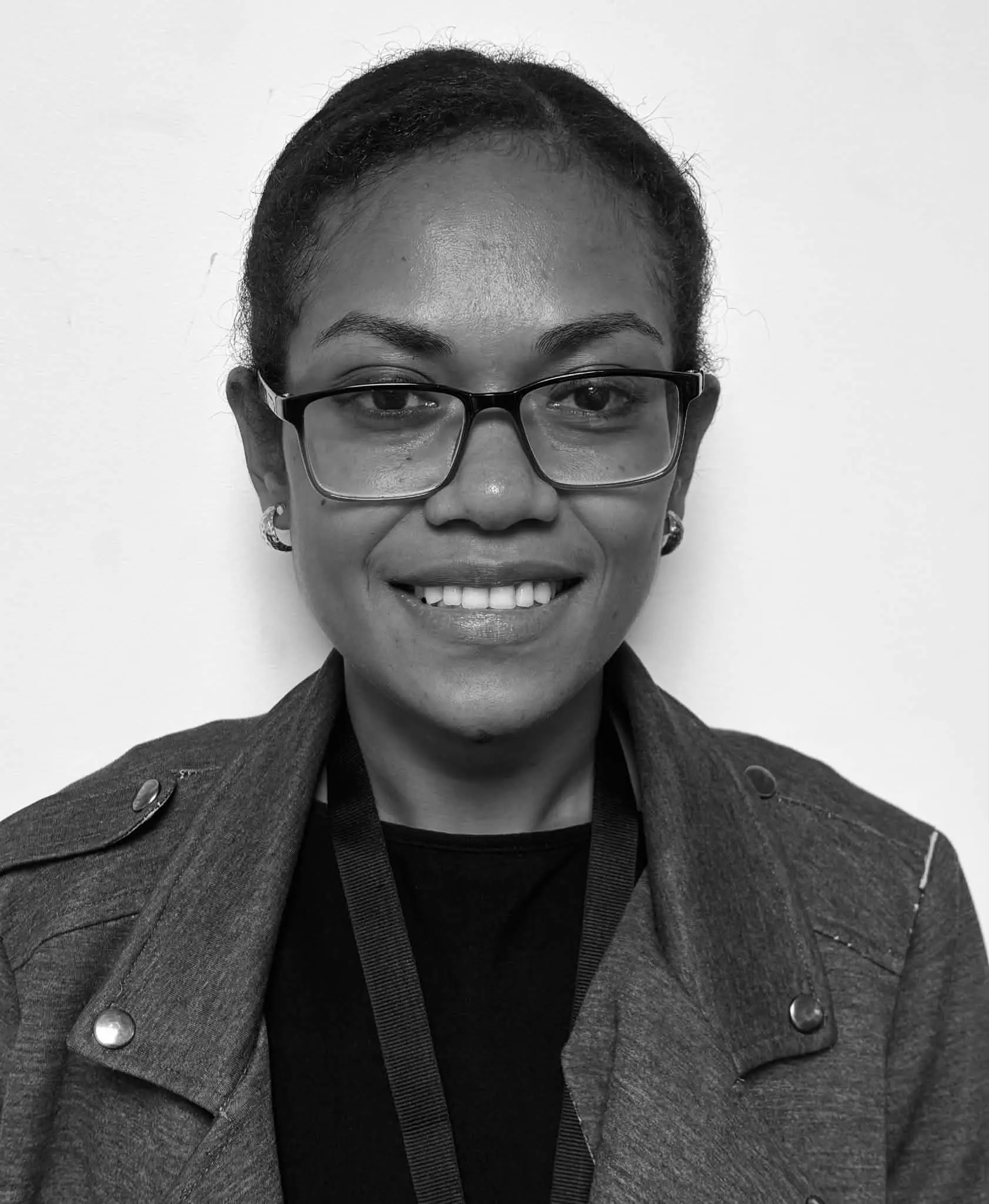

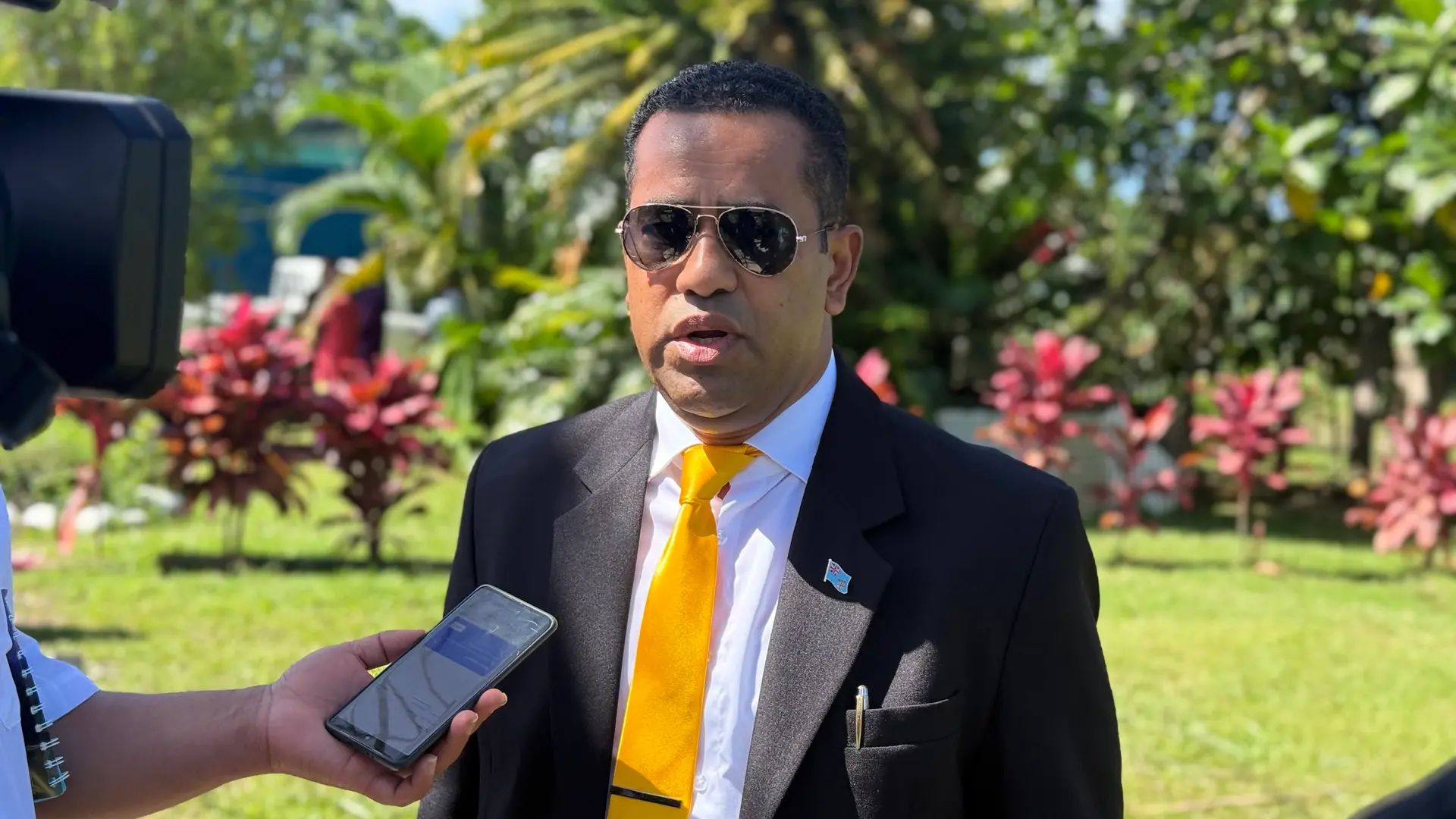
Minister for Health and Medical Services Dr Ratu Atonio Rabici Lalabalavu at the Declaration of a National HIV Emergency at Dinem House, Suva on September 15, 2026.
Photo: Talei Roko
Fiji’s escalating HIV crisis is increasingly affecting mothers and babies, with 59 children born with HIV in 2025 and 18 dying before their first birthday.
The number of children born with HIV almost doubled from 32 in 2024 to 59 in 2025, as the Ministry of Health and Medical Services moves the country’s HIV response into crisis mode.
Health Minister Dr Ratu Atonio Lalabalavu said 2 per cent of pregnant women were living with HIV.
Related stories
The figures come as Fiji prepares to formally declare a national HIV emergency following Cabinet’s endorsement on September 9 this year.
The declaration will be made under the Public Health Act 1935, with the response being implemented under the HIV/AIDS Act 2011.
The scale of the outbreak has also been reflected in the overall number of new HIV diagnoses, which increased sharply to 2,016 in 2025, compared with approximately 120 in 2019.
This represents a 16-fold increase in reported infections in six years.
The Ministry has warned that without urgent action, the number of people living with HIV could reach 25,000 by 2029.
Chair of the National HIV Outbreak and Cluster Response Taskforce, Dr Jason Mitchell, said infections had been rising from the beginning.
“In 2024 it was 32 cases and it almost doubled by 2025. The numbers in HIV for babies to become infected with HIV, it’s very significant, what we are experiencing in Fiji. That explains why the minister had elevated this particular response; it allows us to do a little faster than we have been doing the last year or so. We just want to be better and faster when we make decisions,” Dr Mitchell said.
He said the elevated response would help speed up decision-making as Fiji responds to the outbreak.
“There is a belief that all of this happened in the last couple of years but if you look at the statistics, our numbers have been going up right from the very beginning. The global accepted goal is there should be zero HIV infection, zero discrimination and zero AIDS-related deaths and that should be the goal of our national programme and what we should be focusing together as a country.”
Dr Lalabalavu said the increase in reported cases was partly due to expanded testing, which was identifying people who had previously been undiagnosed.
The Government plans to expand HIV testing and prevention measures, including pre-exposure prophylaxis (PrEP) for people at higher risk, long-acting injectable prevention, treatment as prevention, and a needle and syringe programme for people who inject drugs.
The Government has also established a Cabinet subcommittee to support the national response.
The subcommittee includes acting Attorney-General Siromi Turaga, Minister for Policing Ioane Naivalurua, Minister for iTaukei Affairs Ifereimi Vasu, Minister for Women, Children and Social Protection Sashi Kiran and Minister for Finance Esrom Immanuel. It is chaired by Lalabalavu.
The response is being supported by international funding, including AUD $48 million (F$75 million) from Australia and NZ$5.2 million (F$6.62 million).
The Health Ministry’s warning comes as Fiji seeks to contain an outbreak that is no longer limited to rising diagnoses, with the increase in infections among pregnant women and children adding urgency to the national response.