Fiji cannot take Australia to court under new treaty, MPs hear
Treaty provides for withdrawal if either side believes obligations are not being honoured
Thursday 10 September 2026 | 06:30

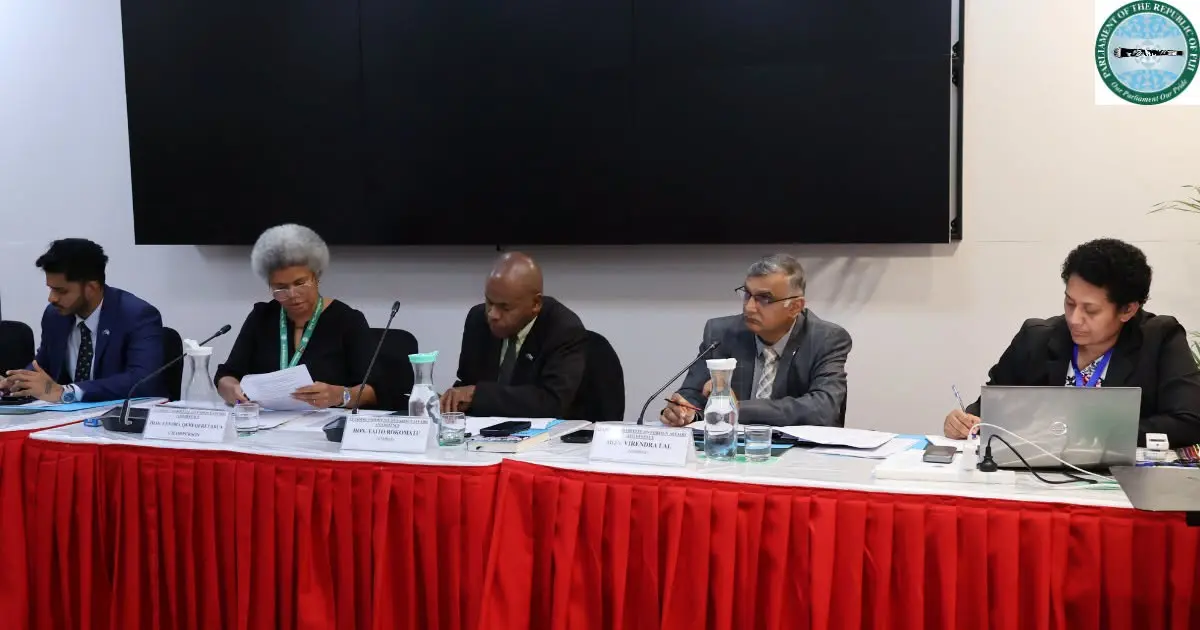
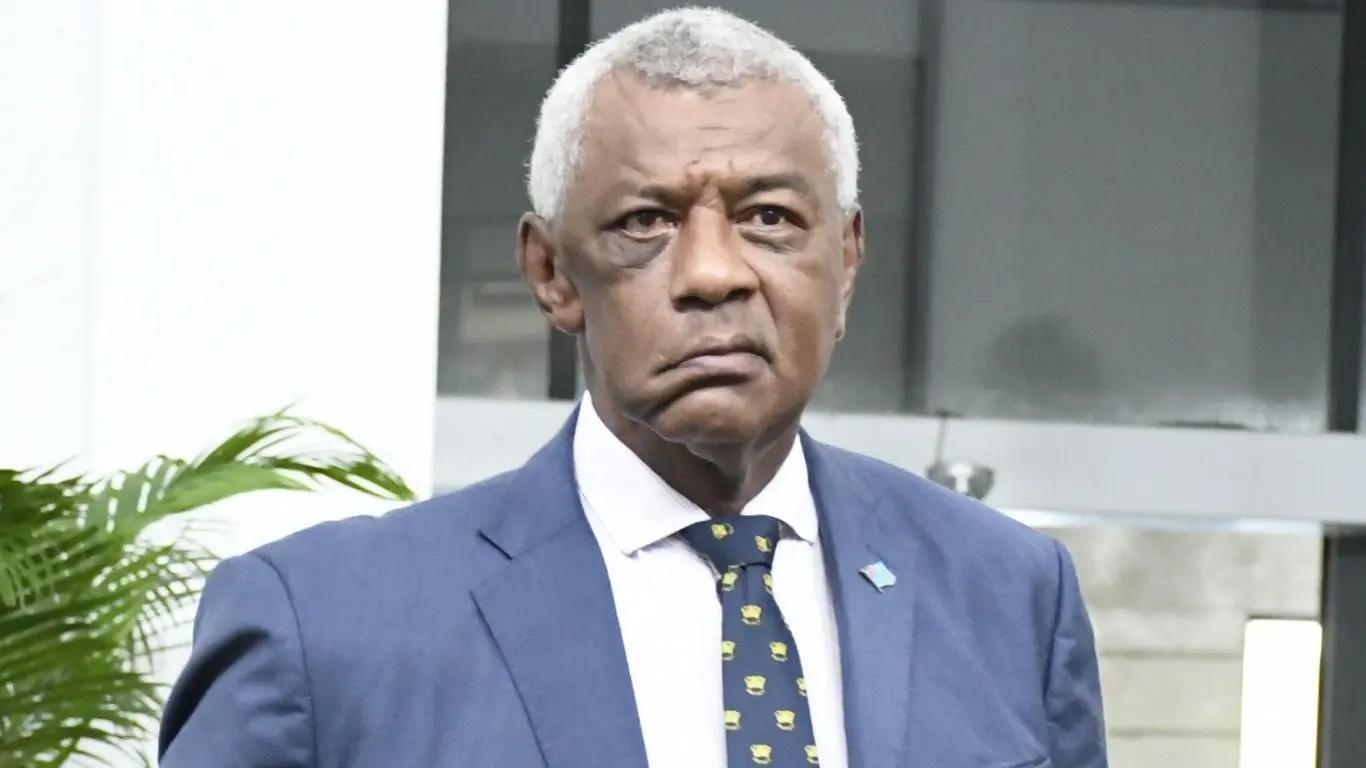
Fiji cannot refer a dispute with Australia to a national or international court or tribunal under the new Veitacini Treaty, Parliament’s Foreign Affairs and Defence Committee has heard.
Photo: Parliament of Fiji
Fiji cannot take Australia to a national or international court or tribunal if a dispute arises under the new Vuvale Union and Veitacini Treaty, MPs heard yesterday.
The issue sparked sharp exchanges over sovereignty and consultation during a hearing of Parliament’s Standing Committee on Foreign Affairs and Defence.
Opposition MP Virendra Lal questioned Article 11(1) of the Veitacini Treaty, which states that disputes “shall not be referred to any national or international tribunal or court”.
Related stories
“So in this case, if there is a breach by either side, what diplomatic remedies does the ministry have?” Mr Lal asked.
“We cannot take it to national or international court, so how do you settle the dispute there?”
Acting Deputy Secretary for Foreign Affairs Anare Leweniqila said the treaty’s dispute mechanism instead gives either party “the right to withdraw” if it believes the other side is not honouring its obligations.
The hearing also saw questions over the consultation process for the treaties.
Deputy chairperson Rinesh Sharma accused the Ministry of Foreign Affairs of relying on Fiji’s National Development Plan when explaining how public consultation had been conducted.
“I disagree. You cannot throw it under the consultations of the national development plan... this is about the sovereignty of Fiji,” he said.
Mr Sharma also questioned Fiji’s “friends to all, enemies to none” foreign policy, asking whether it was “foreign policy or hypocrisy” given Fiji’s voting record at the United Nations on sensitive resolutions.
Permanent Secretary for Foreign Affairs Rejieli Taga said Fiji’s sovereignty “is respected in this union” and the country remained “free to question Australia” on any matter, including climate emissions.
Committee chairperson Lenora Qereqeretabua also revealed that the 10-year work plan underpinning the treaties remained in draft form, with no timeline for its release.