Rakiraki dry spell forces farmer to give up cattle
El Niño-driven dry conditions force Naqoro farmer Sunita Devi to let go of the livestock she has raised for decades.
Monday 21 September 2026 | 09:00
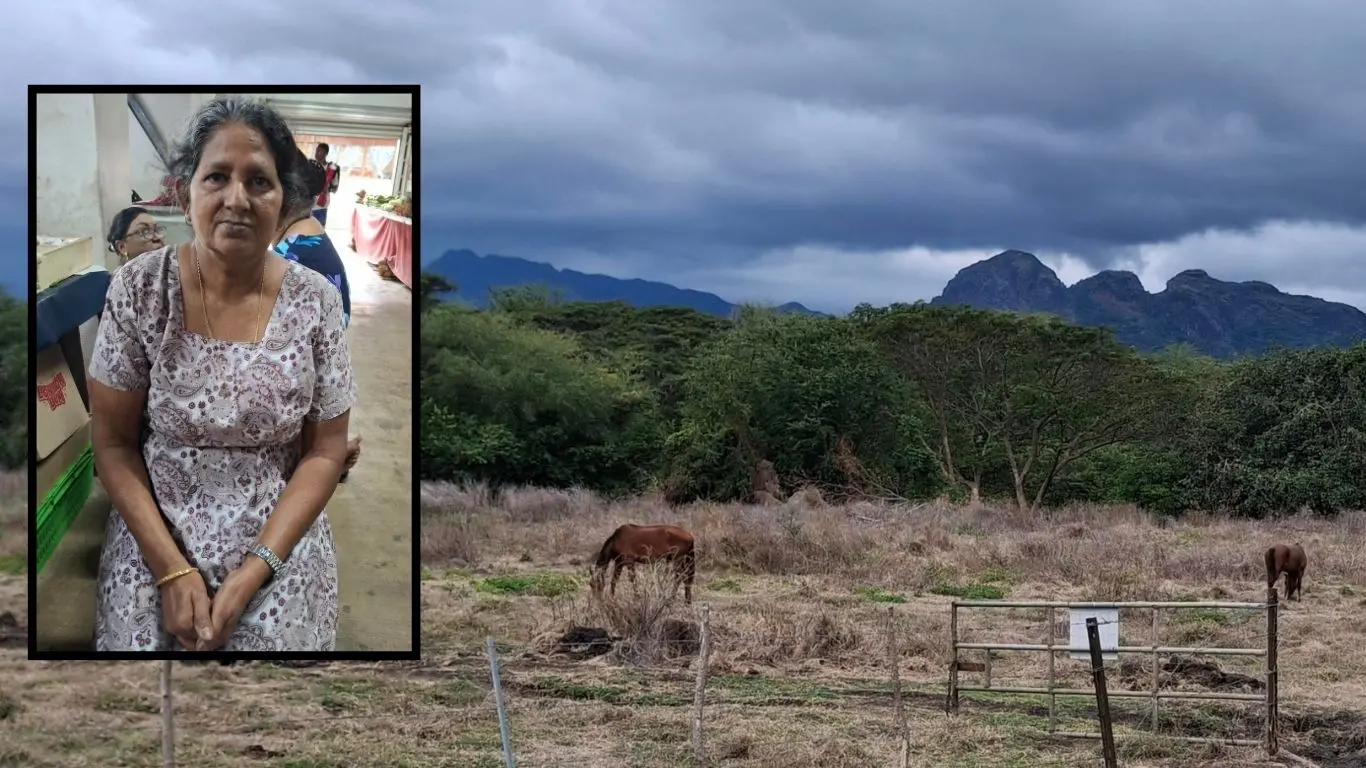
A photo showing dryland in Rakiraki. Inset: Sunita Devi at the Rakiraki Market.
Photos: Mereleki Nai
For almost 50 years, cattle have been part of Sunita Devi’s life.
But a worsening dry spell in Rakiraki has forced the 61-year-old Naqoro farmer to give up her animals as water supplies dwindle and once-green pasture turns brown.
El Niño conditions have brought reduced rainfall, water shortages and drying pasture, placing increasing pressure on farmers and livestock.
Related stories
For Ms Devi, the decision was painful.
“Sometimes there is no water for the animals. When they are thirsty, they cry and I also cry because I could not do much to provide water,” Ms Devi said.
“There is less green grass for them to survive in this dry weather.”
Ms Devi lives with her husband, daughter and grandson in Naqoro. Her family previously farmed sugarcane before turning to home gardening and cattle farming after moving to the area.
When her husband became ill, Ms Devi continued much of the farming herself. But the dry spell has made it increasingly difficult to keep her garden growing and provide enough water and pasture for her cattle.
Her family relies on a communal water tank shared with other families.
With little rainfall and limited water available, Ms Devi said she could not prioritise her animals and garden when neighbouring families also needed water for their households.
“I can’t be using all the water because other families need water too,” she said.
Eventually, the family made the difficult decision to scale back gardening and give up their cattle.
“The growth of the animals and the garden will be affected with this El Niño and climate change,” she said.
“So we decided to quit the gardening and sell and give away our animals. That was the only solution we came up with.”
Ms Devi has cared for cattle since her marriage, when her parents gave her her first cow. She estimates she has spent between 40 and 50 years farming and raising cattle.
Now the grass her animals once relied on has turned brown or disappeared.
Ms Devi also lives with diabetes and knee pain, adding to the difficulty of physically caring for livestock.
Vegetable farmer and market vendor Priya Punam said she had also seen the effects of the dry conditions, with a lack of rain affecting crops, produce and overall production.
For Ms Devi, however, the dry spell has already taken away a part of the life she has known for decades. After almost half a century caring for cattle, she has had to let them go.