Health Ministry warns over late diabetic foot care
Early treatment can help prevent severe infection, tissue death and potentially life-threatening sepsis.
Tuesday 15 September 2026 | 17:30

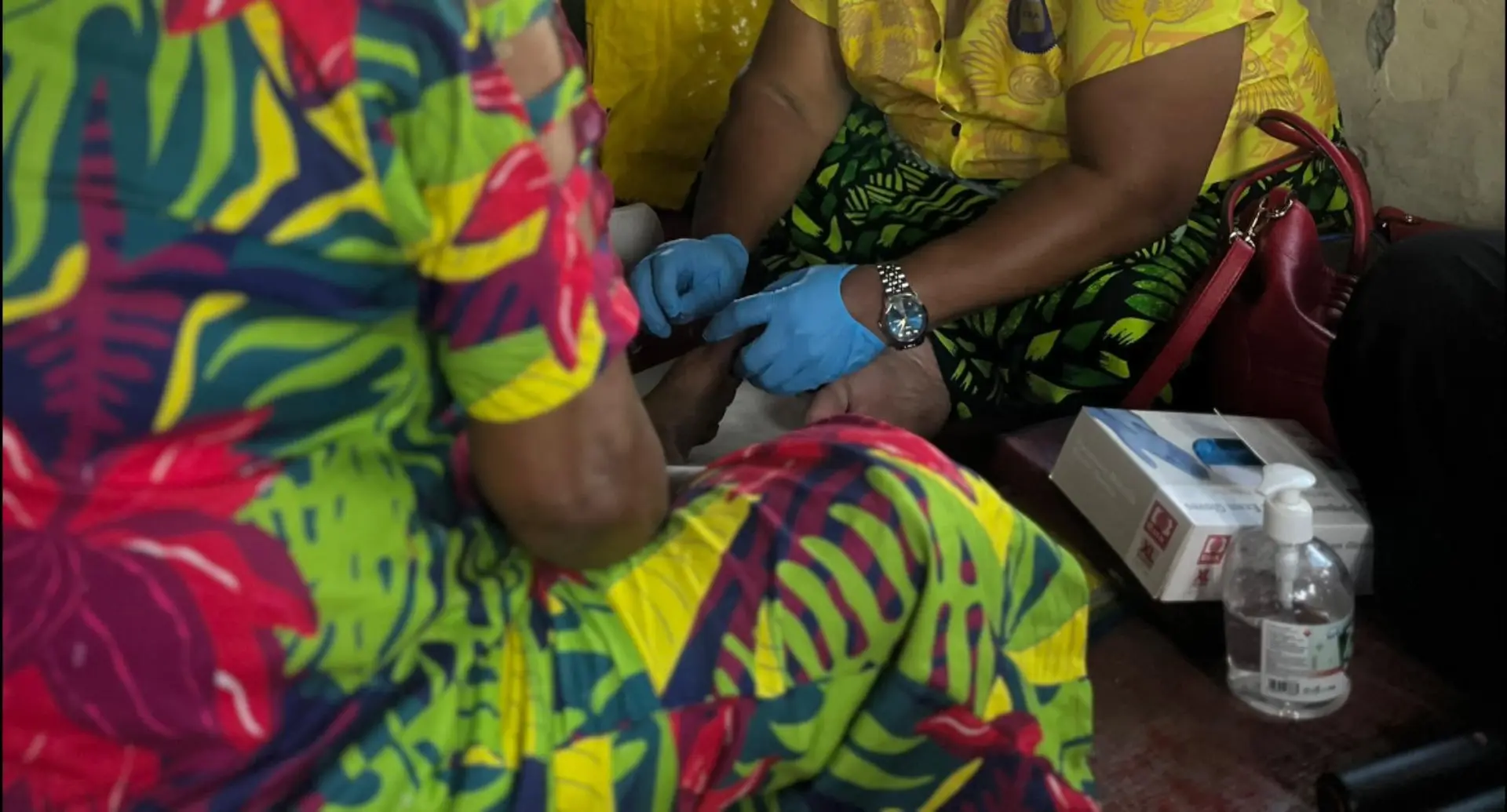
Health Ministry says delayed treatment of diabetic foot infections is reducing chances of saving limbs.
Patients with severe diabetic foot infections are presenting to health facilities too late, significantly reducing their chances of saving their limbs and increasing the need for amputations, the Ministry of Health and Medical Services has warned.
The Ministry said amputation was strictly a last resort, undertaken only when all reasonable limb-saving options had been exhausted and the affected limb could no longer be safely preserved.
Responding to Fiji Sun queries on lower-limb amputations in the Western Division, the Ministry said the priority in severe cases was to control deep infections, prevent sepsis and ultimately save the patient’s life.
Related stories
It said late presentation remained a major challenge.
“Many patients present to health facilities at an advanced stage of infection or tissue death,” the Ministry said.
It warned that delays significantly narrowed the window for successful limb preservation and could allow a localised wound to progress to severe infection, tissue death and potentially life-threatening sepsis.
Before recommending amputation, doctors consider a range of limb-salvage treatments.
These include specialised wound care and surgical debridement to remove dead tissue, targeted antibiotic treatment, management of underlying conditions such as diabetes, hypertension, heart disease and chronic kidney disease, and procedures to restore blood circulation.
The Ministry said Lautoka Hospital had dedicated vascular surgical services capable of carrying out advanced limb-saving procedures, including endovascular interventions and surgical bypasses.
Hyperbaric oxygen therapy may also be considered for selected patients where clinically appropriate and available.
The Ministry identified severe diabetic foot ulcers, deep-tissue infections, nerve damage, poor blood circulation and delayed medical attention as key factors contributing to amputations.
Peripheral neuropathy, or nerve damage caused by diabetes, can reduce or completely remove pain sensation in the feet.
As a result, patients may fail to notice cuts, blisters or minor injuries until they develop into serious wounds or infections.
Poor blood circulation can further complicate recovery by reducing the supply of oxygen and nutrients needed for wounds to heal.
The Ministry is strengthening early detection and prevention through the rollout of the National Diabetic Foot Care Guidelines.
The guidelines are intended to give health-centre clinicians standardised tools for foot screening, early detection and risk assessment, allowing patients at higher risk of complications to be identified earlier.
The Ministry is also continuing community awareness, patient education and routine screening initiatives.
It is urging people living with diabetes to attend regular medical reviews and check their feet daily.
Patients have been advised to seek immediate medical attention if they notice a scratch, wound, ulcer, swelling, discolouration or any other change in their feet.
The Ministry said early intervention remained the most effective way of preventing serious diabetic foot complications and reducing the risk of amputation.
It said diabetes-related complications and surgical outcomes were monitored through national health information and surgical reporting systems.
However, facility-specific amputation figures for Lautoka and Ba hospitals would need to be obtained through the respective administrative and clinical governance channels to ensure the figures released were verified and properly contextualised.
Dog-bite case under review
The Ministry also confirmed it was aware of a dog-bite case recently highlighted in the media.
However, it said individual clinical details could not be disclosed because of patient confidentiality requirements.
The case is being reviewed through the Ministry’s established clinical governance and quality assurance processes, it said.
The Ministry said such reviews were intended to ensure concerns involving patient care were properly assessed and that appropriate clinical standards were being followed.