Int'l women's group calls for four constitutional changes
PPSEAWA Fiji president Titilia Ravonociri raises national identity, Sunday trading, immunity and women’s representation.
Sunday 18 October 2026 | 10:00

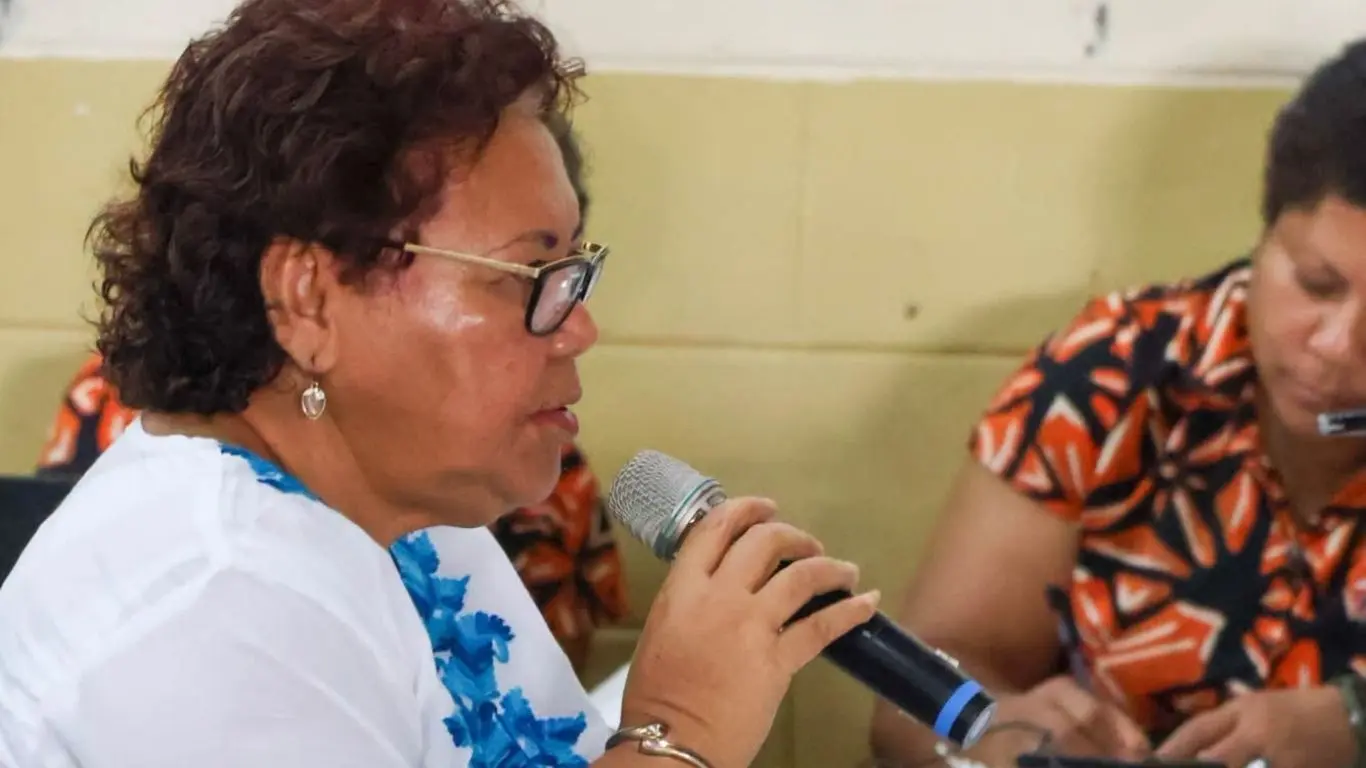
Pan Pacific South East Asia Women's Association (PPSEAWA) Fiji president Titilia Ravonociri shares her views on the proposed constitutional amendments during a public consultation in Nadi on October 17, 2026.
Photo: Waisea Nasokia
Pan Pacific South East Asia Women’s Association (PPSEAWA) Fiji president Titilia Ravonociri has called for four key changes to Fiji’s Constitution.
This includes a review of national identity, Sunday trading, constitutional immunity and women’s representation in Parliament.
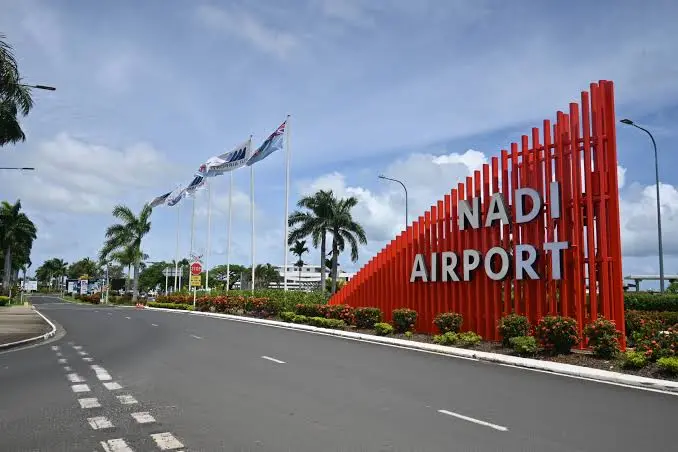
Ms Ravonociri shared her views during discussions on Constitution Amendment Bill 32 at the Nadi Civic Centre yesterday.
Related stories
She said any revised Constitution should reflect the views of the people and provide space for open, honest and respectful discussions about the country’s future.
“I know we may not all agree on everything. But surely, we can have these conversations openly, honestly, and respectfully,” she said.
“A Constitution should belong to the people, not just those who write it or those who hold power.”
Ms Ravonociri said the Constitution shaped Fiji’s identity, families, justice system and the future of coming generations.
Review national identity
Ms Ravonociri questioned the introduction of the term iTaukei in the 2013 Constitution, asking whether the people whose identity was being defined had been adequately consulted.
“What is in a name? To me, it is our history, our roots, our culture and who we have always known ourselves to be,” she said.
She said she identified as Kai Viti and Fijian, adding that the term Fijian had traditionally carried a deeper ethnic meaning for many people before it became the national identity used by all citizens.
Ms Ravonociri suggested that “Fiji Islander” could be considered as a national identity, reflecting the country’s more than 300 islands and diverse population.
“This is not about taking anything away from anyone. It is about respecting who we are while finding a name that unites us,” she said.
“After all, shouldn’t the people have a say in defining their own identity?”
Protect Sunday as a day of rest
Ms Ravonociri also called for Sunday to be protected as a day of rest, with shops and non-essential businesses closed.
She said Sunday held special significance in many communities as a day for church, family and rest.
While acknowledging Fiji’s religious diversity, she said essential services and businesses that needed to operate should be considered.
However, she questioned whether commercial interests had taken priority over people’s ability to rest and spend time with their families.
“I would like to see this discussed seriously in our Constitution,” she said.
Call to remove constitutional immunity
Ms Ravonociri called for blanket constitutional immunity to be removed, arguing that accountability and equality before the law were necessary for national healing.
“How can we truly heal as a country if we cannot honestly confront our past?” she said.
She said Fiji’s history had left wounds, with families suffering and trust being broken.
Ms Ravonociri stressed that accountability should not be driven by revenge or political differences, and that any process must respect due process, judicial independence and the rights of everyone involved.
“True healing cannot be built on silence. It must be built on truth, accountability and reconciliation,” she said.
“Our children deserve a country where power does not place anyone beyond the reach of the law.”
More women in decision-making
Ms Ravonociri also called for greater representation of women in Parliament, Cabinet, government boards and other national decision-making positions.
She said women contributed to families, businesses and communities but were not always adequately represented when important national decisions were made.
She stressed that representation should go beyond appointing women for appearances, with women given genuine influence and responsibility.
“I want our daughters to grow up knowing that leadership is not reserved for men, and that their voices matter just as much as anyone else’s,” she said.
Ms Ravonociri said greater representation was about fairness, equal opportunity and recognising women’s contributions.
“A country cannot reach its full potential when the voices of its women are missing from the decisions that shape its future,” she said.