Lau women target $130,000 to build village income
Mualevu women's group plans meeting hall and facility upgrades to boost economic opportunities.
Tuesday 10 November 2026 | 04:30
Updated 10 November 2026 | 07:47 FJT
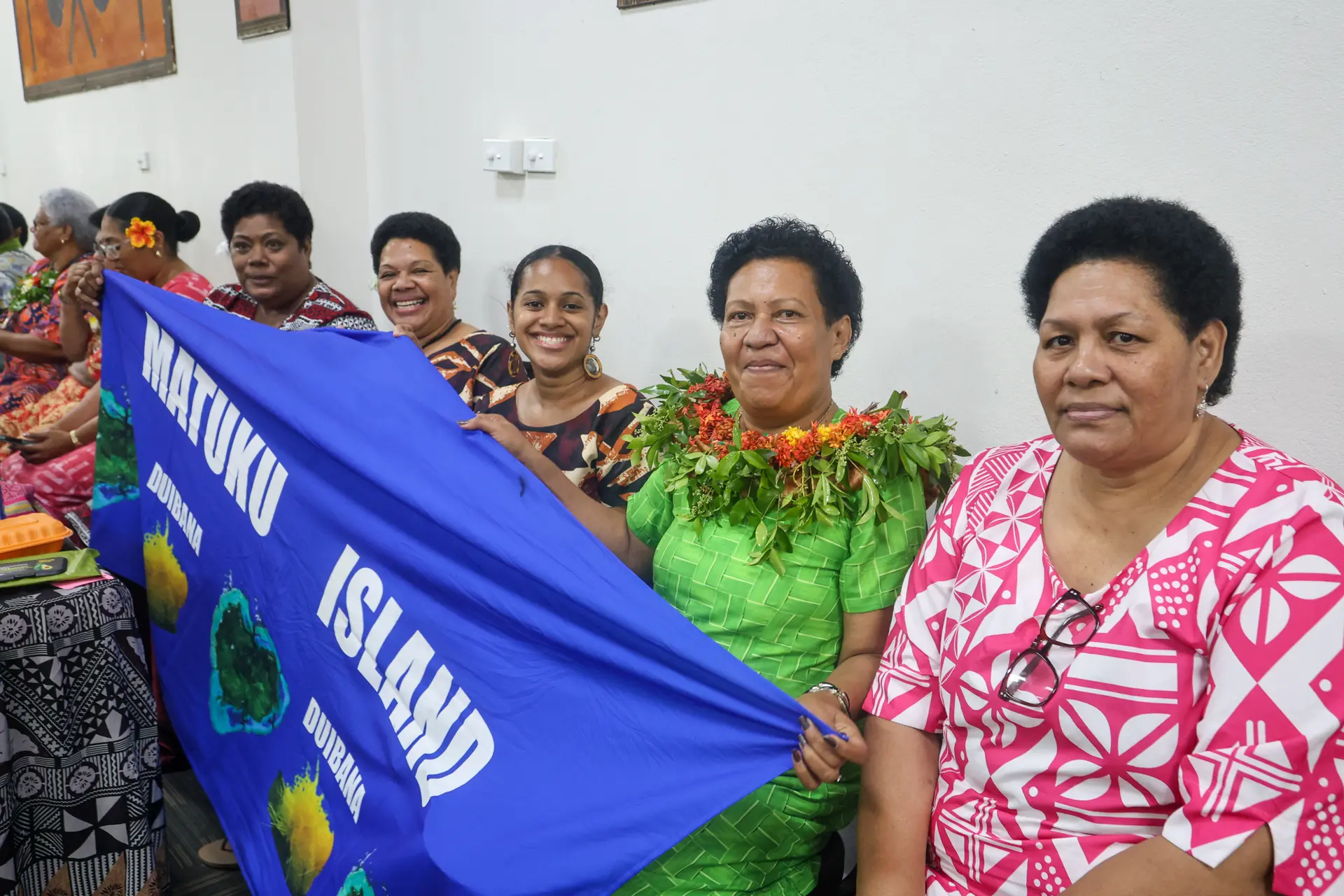
Women of Mualevu gathered at Studio 6 for the Mualevu Soqosoqo ni Marama gathering on November 9, 2026.
Photo: Asenaca Ratu
The Lau women’s group is targeting more than $130,000 over the next two years to transform two community facilities into income-generating assets and strengthen women’s economic participation.
The Mualevu Soqosoqo Vakamarama of Vanuabalavu is raising funds to renovate the village meeting hall and improve the women’s facility, with both projects aimed at supporting the village’s long-term development.
Organising committee member Olita Nagera said the initiative was intended to create opportunities for the village to generate its own income rather than continually depend on requests for financial assistance.
Related stories
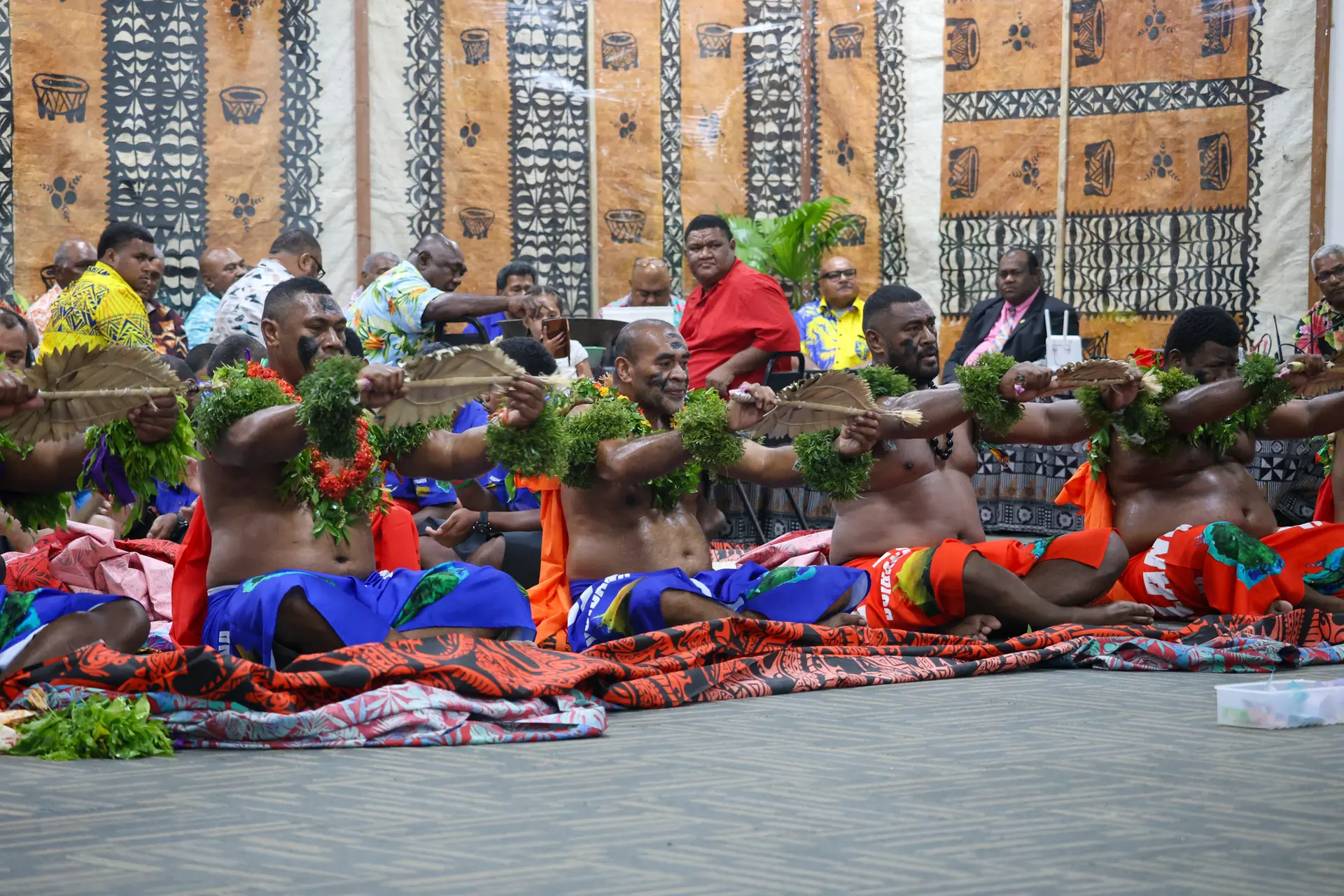
Matameke ni Yavusa Muairewa from the village of Qalikarua, Matuku during the Mualevu Soqososqo ni Marama on November 9, 2026.
Facilities to generate income
She said the renovated meeting hall would be available for hire for meetings, workshops and training programmes, providing a source of revenue that could be reinvested in the village.
“Our main intention is to raise funds for two projects in our village. The first is to renovate our meeting hall, and the second is to improve the women’s facility in the village,” Ms Nagera said.
“We want to renovate the meeting hall so it can be hired out. When meetings, workshops or training programmes are held, people can hire the venue.”
She said the group planned to equip the hall with appropriate facilities, including chairs and an overhead projector, making it suitable for organisations and groups looking for a venue.
The second project involves improving the women’s facility to provide a better space for women to prepare and cater for meetings, workshops and other activities held in the village.
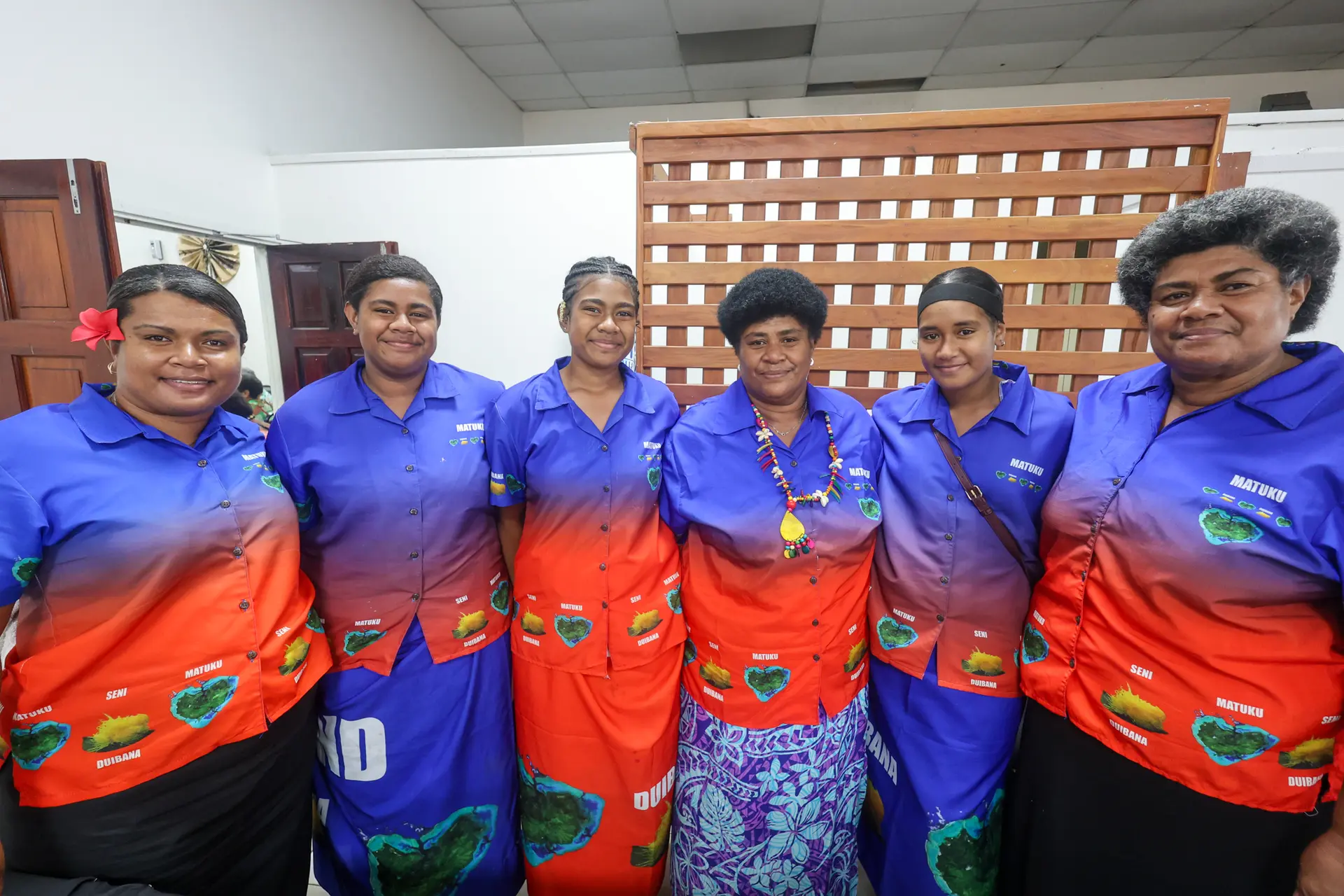
Women of Mualevu gathered at Studio 6 for the Mualevu Soqosoqo ni Marama on November 9, 2026.
Photo: Asenaca Ratu
Ms Nagera said the two projects were closely connected, as the improved facilities would allow women to take up catering opportunities while supporting the operation of the meeting hall.
She said income from hiring the hall would benefit the village, while catering opportunities would give women a means of earning money.
“When meetings are held in the village, the money generated goes back to the village to support the operation and running of the hall.
“For our women, the income from catering will also empower them economically.”
The estimated cost of renovating the meeting hall is between $65,000 and $66,000, while improvements to the women’s facility are expected to cost between $60,000 and $70,000.
The group plans to raise the combined funding through community contributions and grant applications.
Ms Nagera said the programme would run over two years, beginning this year and continuing into 2027.
The group has also developed financial projections to estimate how much income could be generated through hiring the hall over a 12-month period.
She said the projections were important because they gave contributors a clear understanding of what their financial support would achieve.
“Sometimes, when people come to contribute to a village soli, they do not really know the purpose of the fundraising,” she said.
“Today (yesterday), we made a presentation to explain our projections, how much money we need to raise over the next two years and what we want to achieve through these two projects.”
Ms Nagera said the presentation was intended to give women in Suva and other contributors a clearer picture of the projects before they made their contributions.
She said the group had also completed preliminary groundwork, with members travelling to the village last year to assess the facilities and gather information about the work required.
Building village resilience
The projects also align with Mualevu’s wider development plans, which include the construction of the village church.
Ms Nagera said the women’s group wanted its development priorities to complement the village’s plans rather than operate separately.
She said the first soli was an important starting point as the group worked towards making its plans a reality.
“We want to create a system where the village can generate its own income and keep that money circulating within the community,” she said.
“If there are villages that have not yet taken this approach, we want to be the first to do it.”
Mualevu is one of two districts on Vanuabalavu in Lau, with eight villages under its administration.
Ms Nagera said the village had a history of producing educated and business-minded people, and members wanted to apply the same forward-thinking approach to community development.
She said the group also recognised the challenges posed by climate change and El Niño, which had affected village planning and infrastructure.
The village church had previously been relocated to higher ground, reflecting the need to consider environmental risks when planning development projects.
Ms Nagera said the women’s group’s priorities extended beyond infrastructure improvements to include climate change, women’s economic empowerment, community resilience and education.