Meteorologist urges proactive El Niño planning
Dr Sushil K Sharma calls for practical planning as forecasts point to further warming in the tropical Pacific.
Tuesday 13 October 2026 | 06:30

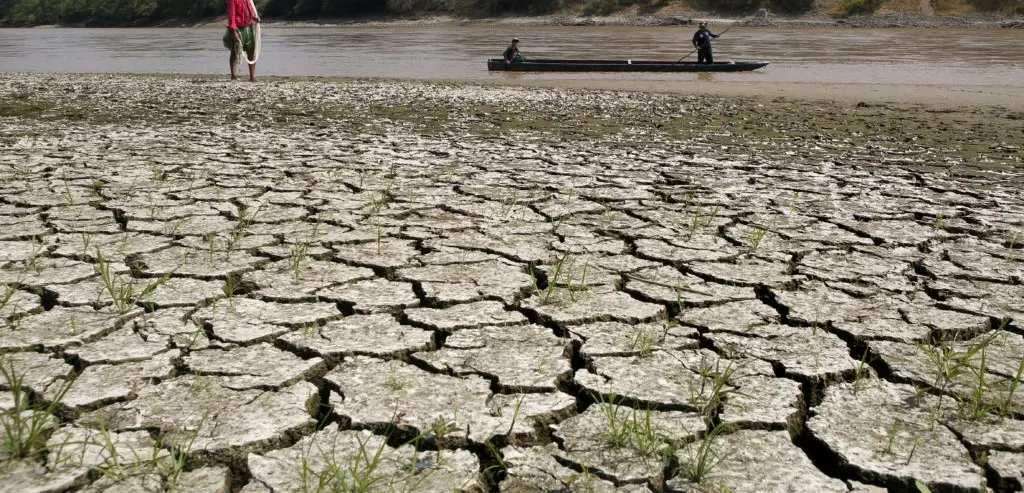
El Niño is strengthening in the tropical Pacific, with potential implications for Fiji’s water supplies, weather patterns and disaster preparedness.
A World Meteorological Organization (WMO)-accredited Class 1 professional meteorologist and former aviation meteorologist for British Aerospace, the Royal Saudi Air Force and the Bahrain Meteorological Service, Dr Sushil K Sharma, has urged institutions to prepare for the months ahead.
“With the Niño 3.4 anomaly currently sitting at +0.9°C, El Niño is established. Subsurface heat content anomalies indicate steady development, and peak anomalies may rise further by late 2026,” Mr Sharma said.
Related stories
“This requires calm, calculated and proactive institutional planning across Fiji’s divisions.”
He said water managers in the West should monitor reservoir capacity, while disaster management authorities should communicate potential cyclone risks facing the Central and Eastern divisions during the coming cyclone season.
“El Niño is a normal, manageable feature of life in the Pacific. The ocean has run this ancient cycle since before these islands were settled, and national resilience depends entirely on practical preparation, not fear,” Mr Sharma said.
The WMO’s Global Seasonal Climate Update for October to December 2026 forecasts further warming of sea-surface temperatures in the central and eastern tropical Pacific as El Niño intensifies.
The climate pattern is expected to influence weather conditions worldwide, affecting economies, ecosystems and communities. It is also likely to bring above-average temperatures to much of the globe and shift rainfall patterns, increasing the risk of drought and flooding in different regions.
The WMO update provides information on major climate drivers, including the El Niño–Southern Oscillation (ENSO), the Indian Ocean Dipole (IOD) and tropical Atlantic sea-surface temperatures, which influence seasonal temperatures and rainfall.
WMO secretary-general Celeste Saulo said the event was expected to persist through February 2027 and could become one of the strongest El Niño events since at least 1950.
Sea-surface temperature anomalies in the central and eastern equatorial Pacific are measured using the Niño 3.4 index, a key indicator of El Niño conditions.
The WMO stated that the index rose from an average of +1.6°C above normal in June 2026 to +2.5°C in August. It forecasts a seasonal average of about +3.7°C for October to December, with a peak around December.
The WMO describes the forecast as the highest since observations began, exceeding the previous record of +2.6°C recorded between November 2015 and January 2016.
The WMO also stated that a positive Indian Ocean Dipole is expected to influence the seasonal outlook. The climate pattern, which affects rainfall around the Indian Ocean, is forecast to peak in October before declining, with a seasonal anomaly of about +0.5°C for October to December.