Fiji Constitution Bill puts Christianity, family values among founding values
The proposed changes place Christianity and family values first among the State’s founding values, while retaining a provision separating religion and the State.
Tuesday 13 October 2026 | 07:30
Updated 13 October 2026 | 08:58 FJT

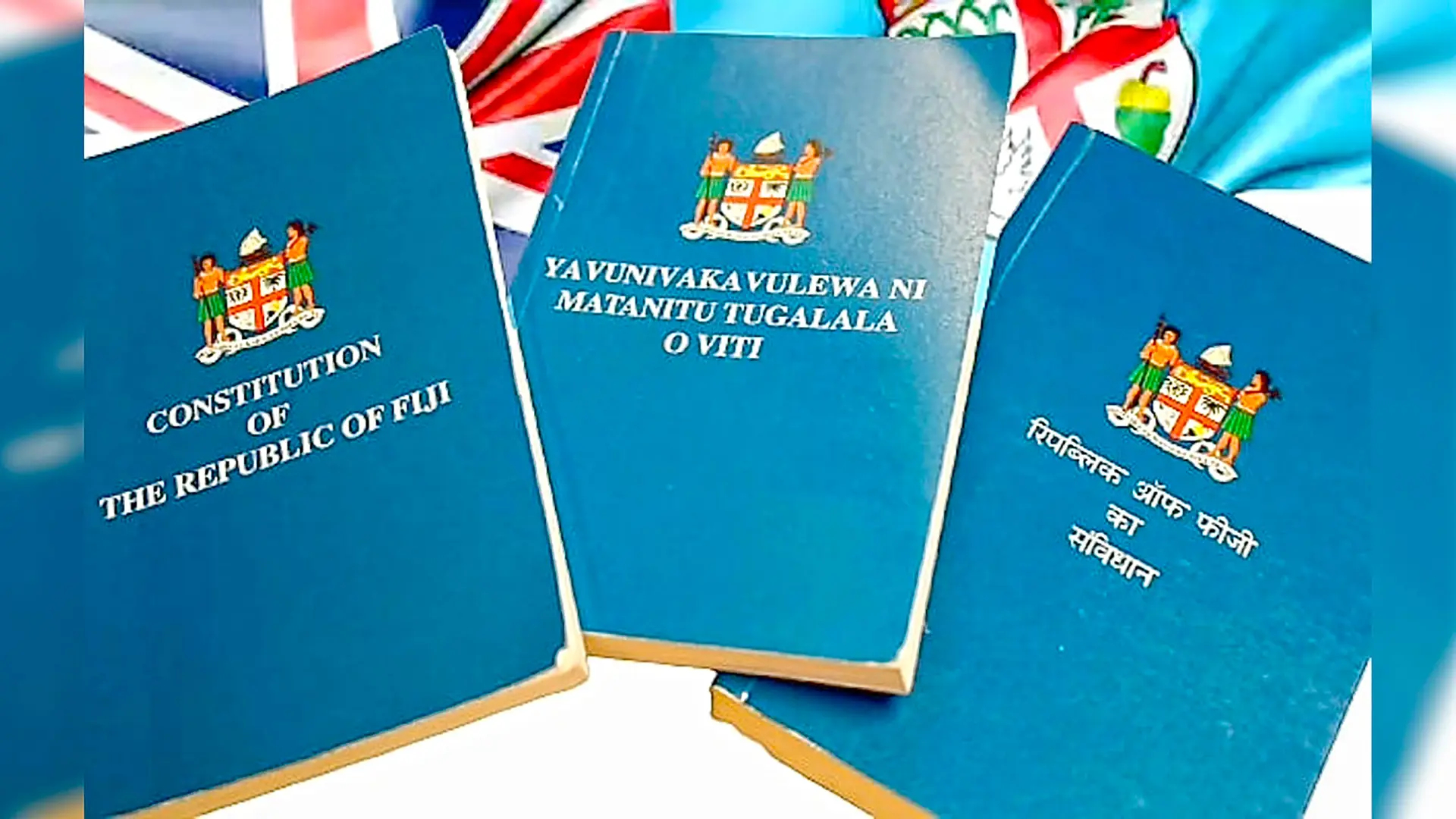
The Coalition Government’s Constitution of the Republic of Fiji Bill 2026 opens its Preamble by “SEEKING the blessing of God” and lists “Christianity and family values” as the State’s first founding value. Neither appears in the 2013 Constitution.
In 2013, the first value was “common and equal citizenry and national unity”. The Bill moves it to paragraph (h).
Church and State
Related stories
Section 4 of the 2013 Constitution was headed “Secular State” and stated that “Religion and the State are separate”.
The Bill renames the section “Religious liberty”. A new section 1(2) states: “Although religion and the State are separate, the people of the Republic of Fiji acknowledge that worship and reverence for God are the source of good governance and leadership.”
However, section 4(3)(c) still bars the State from preferring “any particular religion”.
What the Preamble says
The 2013 Preamble recognised the iTaukei, Rotumans, descendants of indentured labourers and settlers. It declared: “we are all Fijians united by common and equal citizenry”.
The Bill makes several changes:
- It traces the country’s history from the 1874 Deed of Cession to “the review of the 2013 Constitution undertaken in 2026”.
- It refers to “the conversion of indigenous inhabitants of these islands to Christianity”.
- It adds “the importance of Family” and concludes: “WITH GOD AS OUR WITNESS, GIVE OURSELVES THIS CONSTITUTION”.
- It does not repeat the 2013 Preamble’s recognition of iTaukei and Rotuman “ownership of iTaukei lands”.
Other changes
- Section 6 says indigenous Fijians “may be referred to as iTaukei-ni-vanua o Viti”.
- Rotuman and Braille are added to the list of languages and formats for translations of the Constitution.
The Bill has passed its second reading but is not law. An 11-member Special Committee is receiving public submissions.
It must still pass a third reading and a referendum, which Prime Minister Sitiveni Rabuka has set for December 9.
Opposition Leader Inia Seruiratu has described that date as premature.