Minister Tuisawau urges Pacific to accelerate clean energy shift
Fiji is calling for stronger Pacific cooperation on renewable energy, cleaner transport and practical climate action ahead of COP31.
Sunday 11 October 2026 | 18:00

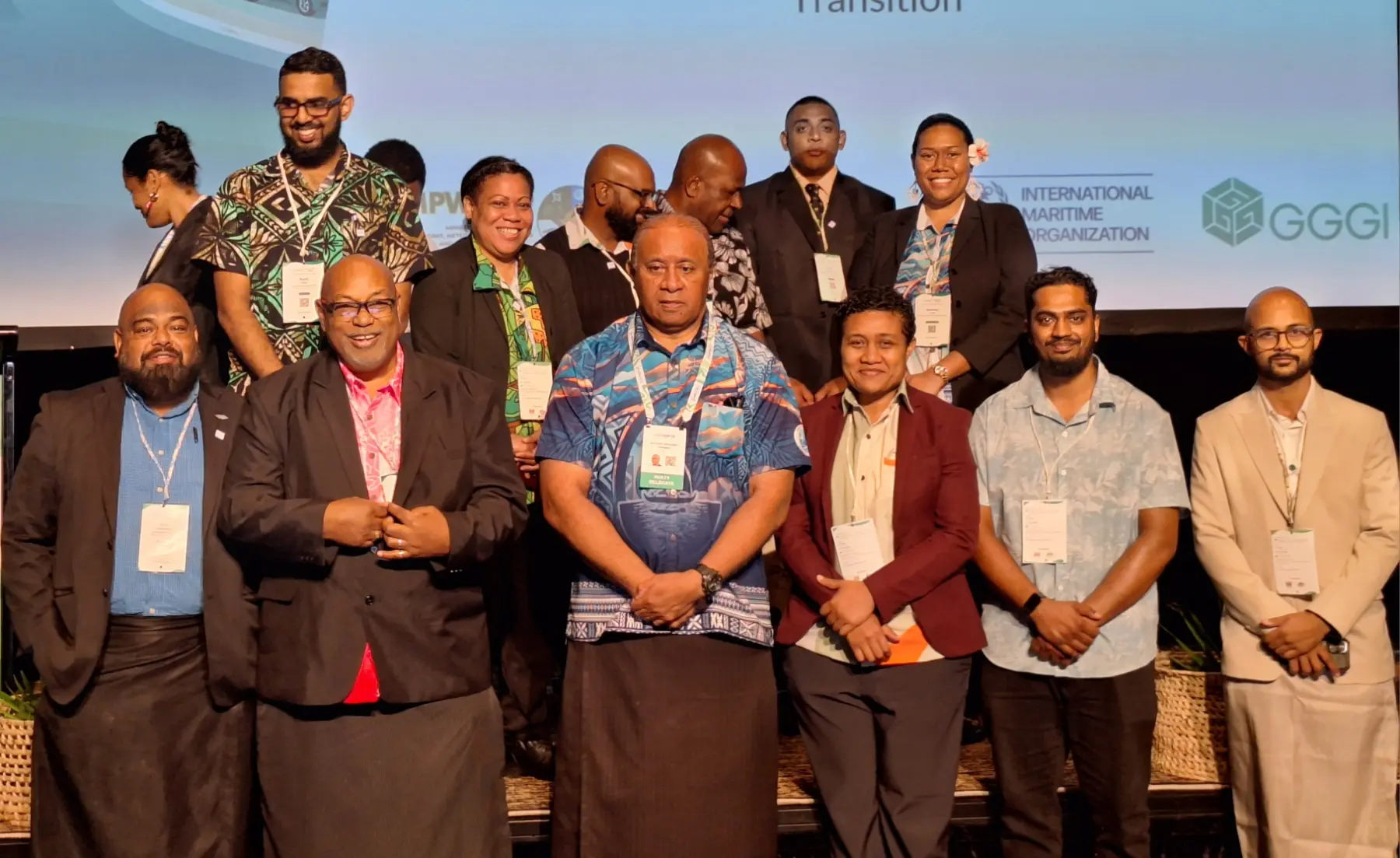
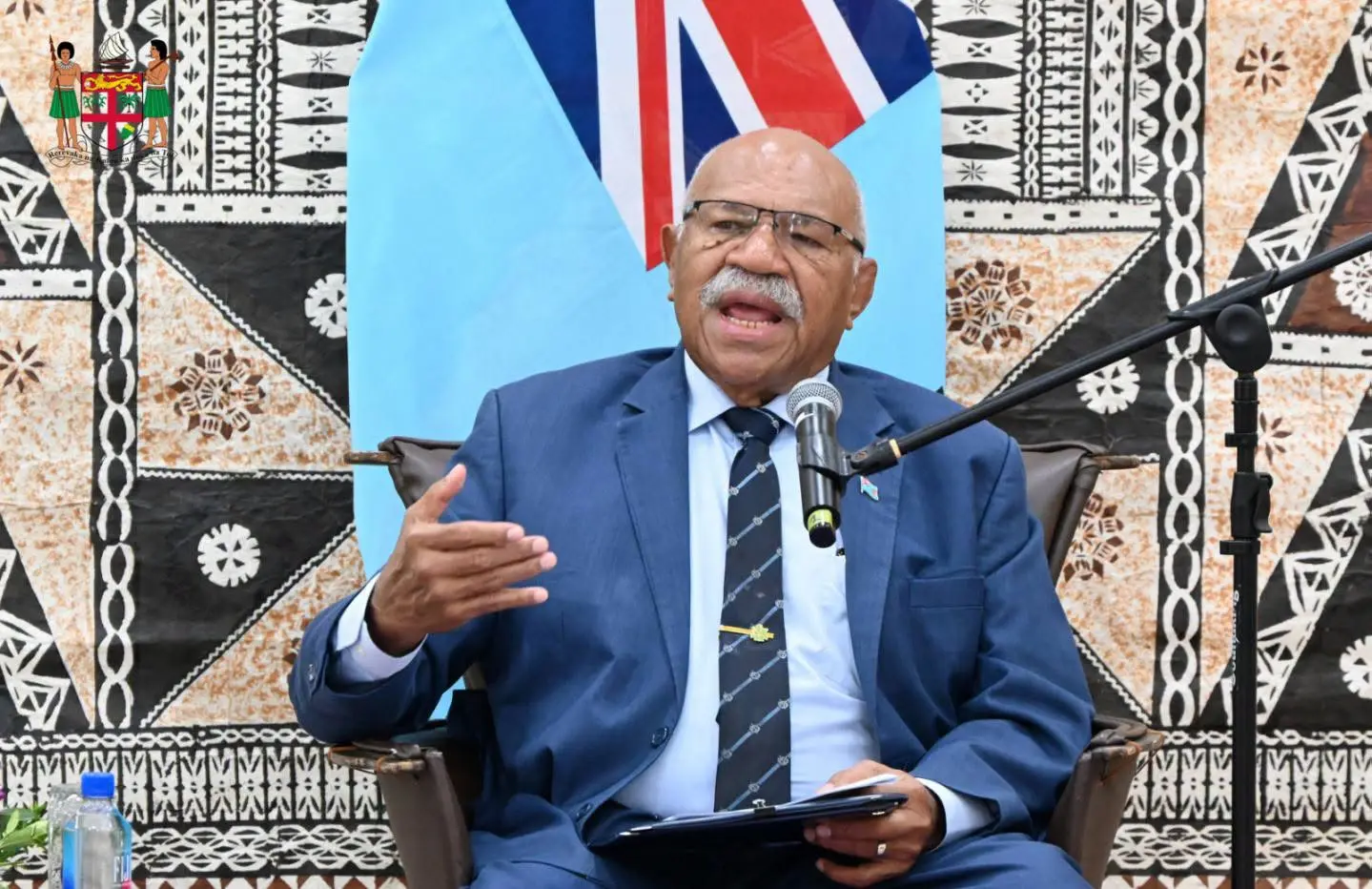
Minister for Public Works, Meteorological Services and Transport Ro Filipe Tuisawau (front, third from left) with delegates at the Pre-COP31 ministerial dialogue on a 100 per cent renewable energy future for the Blue Pacific at Crowne Plaza Fiji Nadi Bay Resort and Spa on October 8, 2026.
Photo: Katherine Naidu
Fiji is pushing for a Pacific-wide transition to 100 per cent renewable energy, with cleaner transport and stronger regional cooperation needed to reduce dependence on imported fossil fuels.
Minister for Public Works, Meteorological Services and Transport Ro Filipe Tuisawau said the transition must address transport emissions, energy security and the environmental risks associated with renewable energy waste.
Speaking at the Pre-COP31 ministerial dialogue on a 100 per cent renewable energy future for the Blue Pacific at Crowne Plaza Fiji Nadi Bay Resort and Spa in Wailoaloa, Nadi, on Thursday, Ro Filipe said climate action must deliver practical benefits for Pacific communities.
Related stories
“Keeping 1.5 degrees within reach is not an abstract negotiating objective; it concerns the security of our communities, economies and future generations. Adaptation and resilience remain priorities,” he said.
He said land transport accounted for about 60 per cent of Fiji’s energy sector emissions and consumed around 60 per cent of imported petroleum.
Without stronger intervention, emissions were projected to rise from about 870,000 tonnes of carbon dioxide equivalent in 2018 to more than 1.6 million tonnes by 2050.
He said Fiji was strengthening coordination across transport, energy, infrastructure, finance and urban development through its electric mobility programme, while developing minimum standards for electric vehicles and charging infrastructure.
“We cannot develop clean electricity and clean mobility along separate tracks,” he said.
Ro Filipe also warned that used solar batteries in maritime communities were becoming a waste-management concern, highlighting the need to plan for the environmental impacts of renewable energy systems.
He said the transition must include safer walking and cycling infrastructure and better access for young people, women and persons with disabilities.
Drawing on Pacific heritage, he said the traditional drua canoe offered lessons in innovation adapted to Pacific conditions and the ocean environment.
“Drua should not be viewed simply as an artefact from the past; it represents principles that remain relevant to the transition before us today, innovation which is adapted to Pacific conditions,” he said.
Ro Filipe called on Pacific leaders to strengthen regional cooperation and deliver practical solutions for cleaner land and maritime transport.
“COP31 must be a moment for delivery,” he said.