Police body-cam footage could become court evidence
Police Bill endorsement vital to body cams implementation
Thursday 03 September 2026 | 17:00

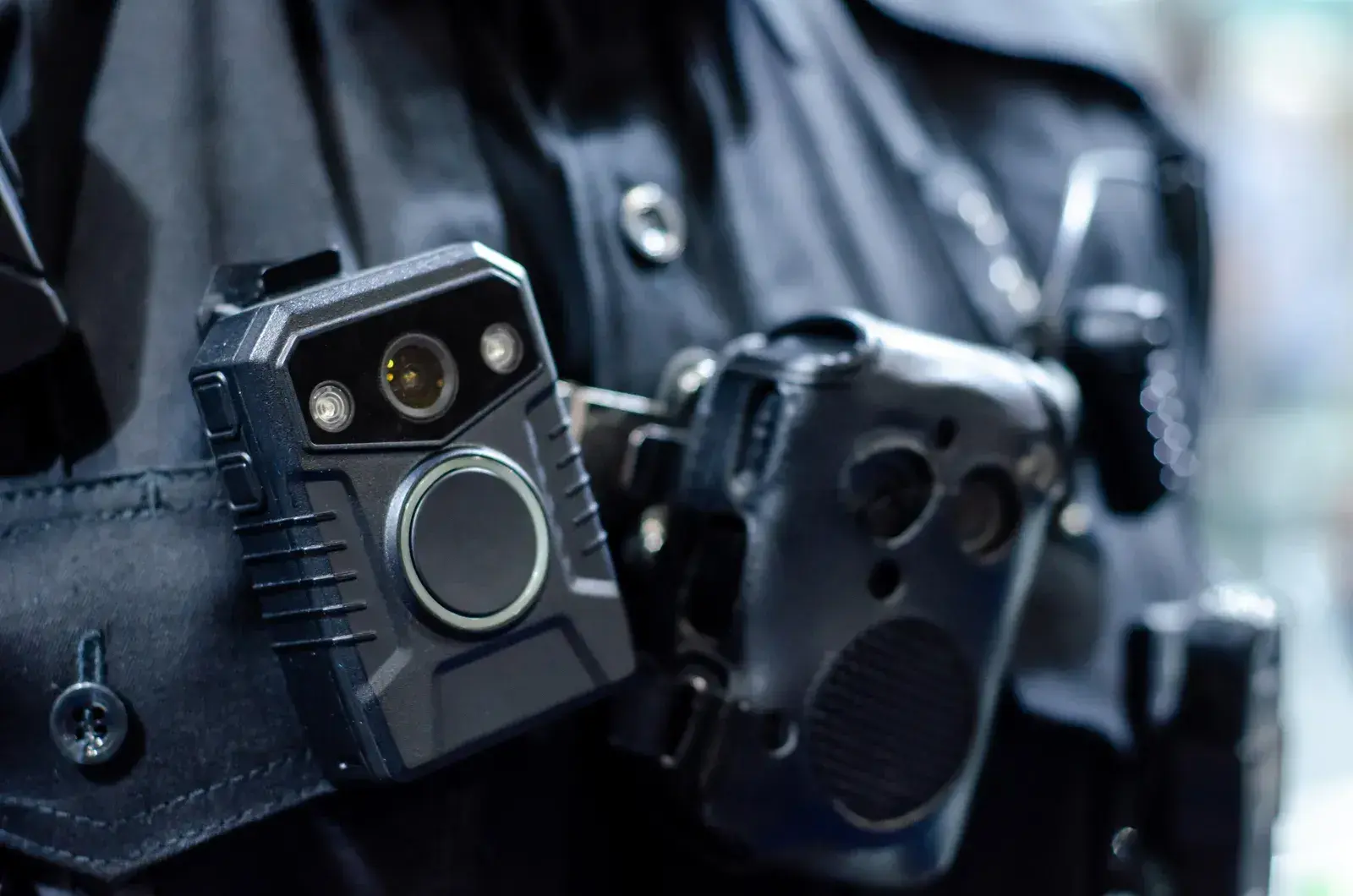
Police body-worn camera footage could be legally admitted as evidence in court if the proposed Police Bill is passed.
Minister for Policing and Communications Ioane Naivalurua said the legalisation of body cameras would strengthen evidence gathering during police investigations and prosecutions.
He said body-worn cameras remained a much-needed tool for effective police operations.
Related stories
However, the cameras were still at the trial stage and were being used mainly for training and, in some cases, small-scale operations.
“Unfortunately, at this point, we do not have the legislation to support it being legalised to aid operations and investigations,” he clarified.
Mr Naivalurua said he was optimistic the new Police Bill, which is expected to be tabled in Parliament soon, would provide the legal framework needed for the technology.
The legalisation of police body cameras to support evidence gathering during investigations is included in the proposed legislation.
“At present during the trial stage of the body cams, evidence or footage of operations cannot be admitted in court as evidence,” he explained.
“What we capture on those body cams presently cannot be admissible in court during its trial phase.”
Mr Naivalurua said body-worn cameras would also enhance the protection and safety of police officers during foot patrols in criminal network zones and other dark spots.
Funding remains a challenge
Assistant Commissioner of Police Operations Kasiano Vusonilawe previously confirmed that funding remained the biggest hurdle to a full rollout of the technology.
The Standing Committee on Foreign Affairs and Defence had recommended that the Fiji Police Force fast-track its body-cam programme to improve transparency and public confidence during its review of the force’s 2021-2022 annual report.
The committee found that the force had yet to establish the legislative framework, digital storage infrastructure and operational policies needed to support the technology.
The force said the technology could not be fully implemented until appropriate laws and secure data storage systems were in place.
The committee, chaired by Assistant Minister for Foreign Affairs Lenora Qereqeretabua, noted that body-worn cameras had been preliminarily assessed, particularly for traffic enforcement and highway operations.