Nearly 6,000 flu cases recorded as health facilities face pressure
The Central Division recorded the highest number of cases, with hospitals urged to prepare for regular seasonal increases.
Wednesday 02 September 2026 | 11:00
Updated 02 September 2026 | 12:06 FJT

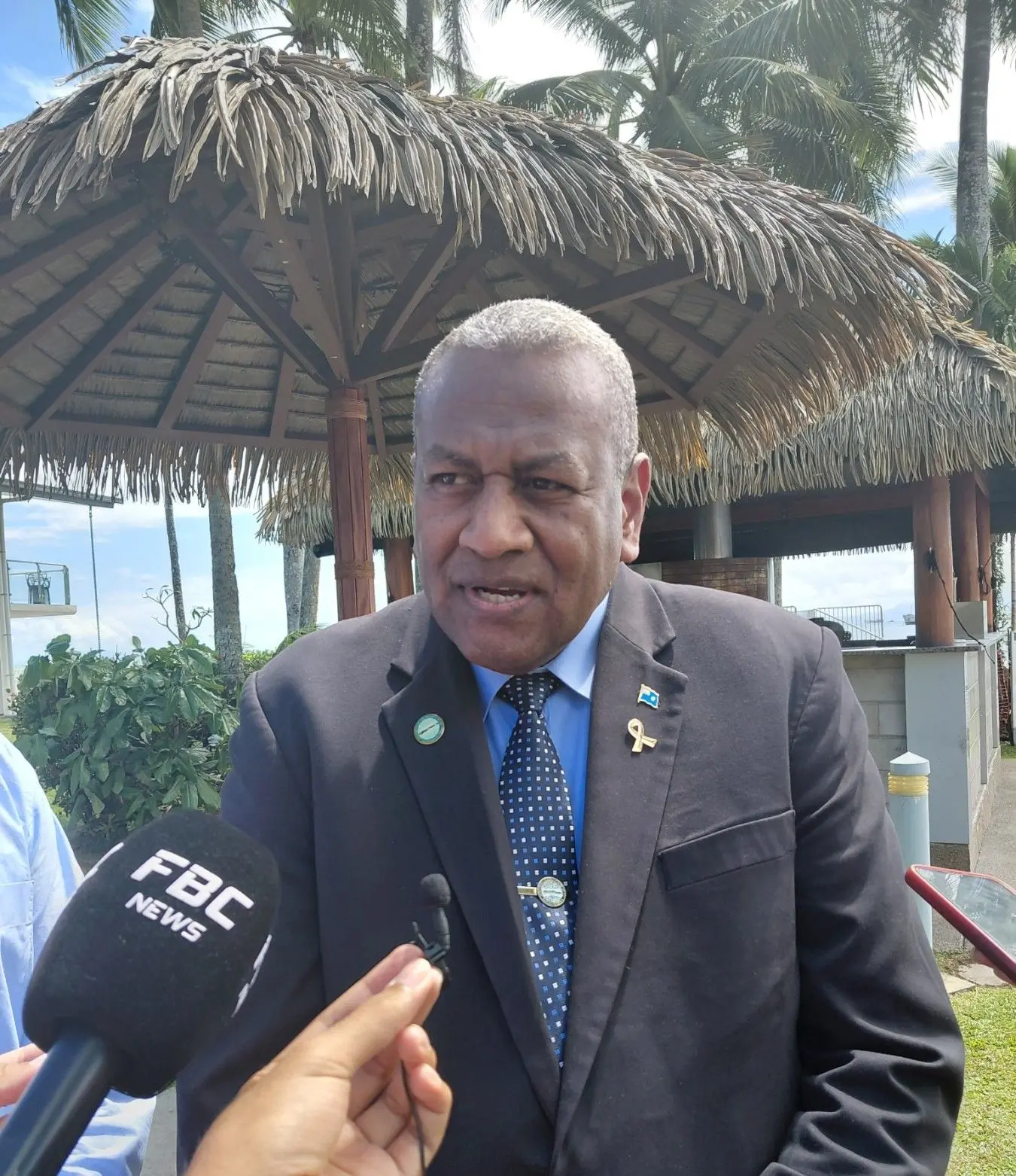
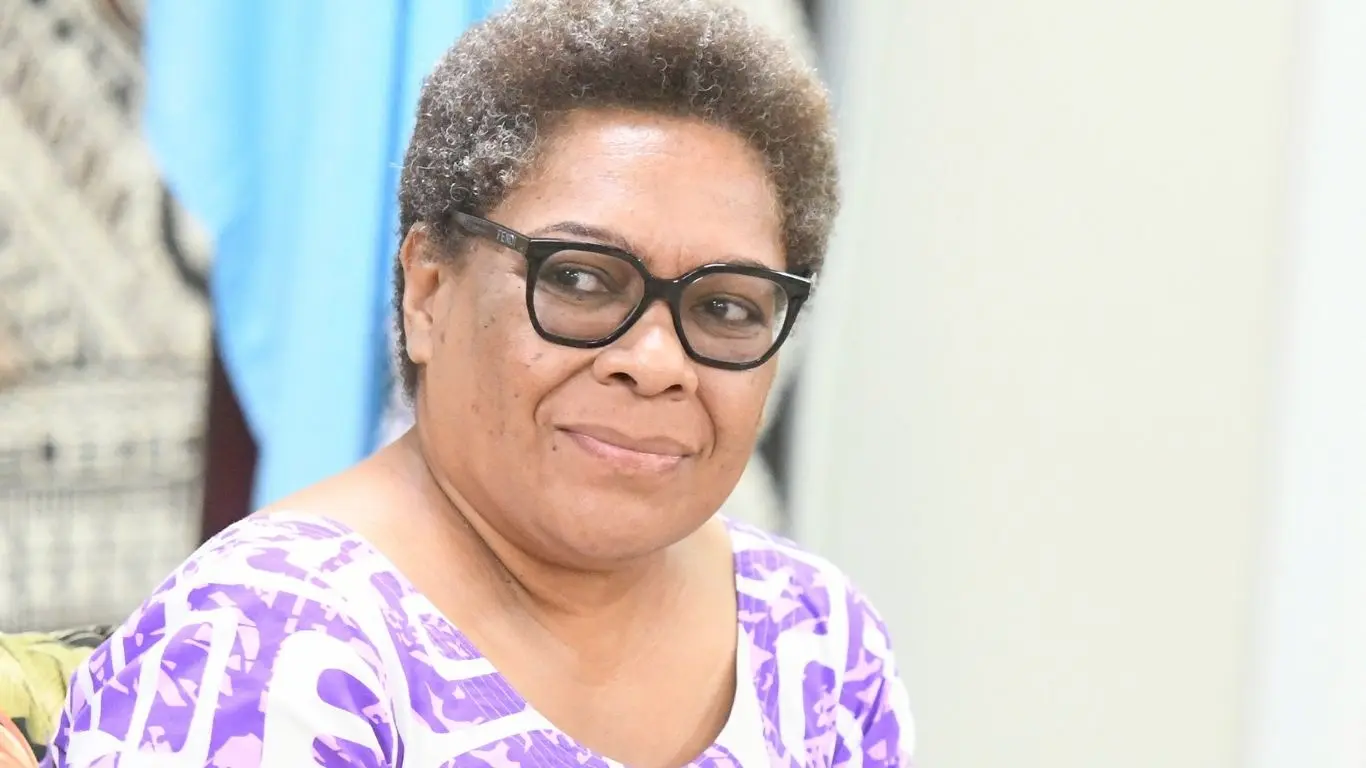
Assistant Minister for Health and Medical Services Penioni Ravunawa.
Photo: Kaneta Naimatau
Nearly 6,000 acute respiratory illness (ARI) cases have been recorded across Fiji, with health facilities reporting heavy patient loads despite an 8 per cent decline in cases in the latest reporting week.
Assistant Minister for Health and Medical Services Penioni Ravunawa said 17 per cent of reported cases were among children under five, while the Central Division recorded the highest number of cases.
He said the 5,921 flu-like illness cases reported were lower than the numbers recorded at the end of July, but the illnesses continued to place pressure on health services.
Related stories
“As we look around our health facilities, it’s packed with patients complaining about the same shortness of breath, high fever, similar issues in many of our health facilities,” Mr Ravunawa said.
“Our facilities are inundated with patients, but then again, we are limited with our resources.
“These are some of the constraints and challenges that every health facility will go through.”
Mr Ravunawa said ARI symptoms included sneezing and coughing. He advised anyone experiencing trouble breathing, persistent high fever, unusual drowsiness, dehydration or worsening symptoms to seek medical attention promptly.
Fiji Medical Association acting president Dr Ronal Kumar said that while the symptoms were somewhat similar to COVID-19, Fiji had experienced seasonal influenza, or flu, for years.
“It’s important that everyone understands that it is part of the seasonal patterns. It’s nothing to be too alarmed about, but it’s not something to be very relaxed about as well,” he said.
“It’s just to be mindful when symptoms develop. People ensure that they look after themselves, hydrate themselves as well.”
Dr Kumar said the current number of reported cases was likely to strain healthcare resources and that hospitals needed to plan for such increases regularly.
Health authorities have encouraged simple precautions, including good hygiene practices, to help reduce the spread of illness.
“Practice good respiratory hygiene, including regular handwashing, covering coughs and sneezes, ensuring adequate ventilation, and keeping unwell children at home where appropriate,” Mr Ravunawa said.
“Stop touching your eyes if you are out and about. Use hand sanitiser if possible. Personal hygiene is important when there is a high risk of infection across our community.
“Sneeze with a handkerchief or with your elbow to stop the spread of infection. That’s generally what we can do at the moment.”
The ministry anticipates an increase in cases if people do not seek appropriate healthcare.
Feedback: talei.matairakula@fijisun.com.fj