RFMF powers raise constitutional questions
USP academic Sandra Tarte says Section 131 could give the military “supra-constitutional authority” over elected governments.
Tuesday 11 August 2026 | 14:30
Updated 11 August 2026 | 15:35 FJT

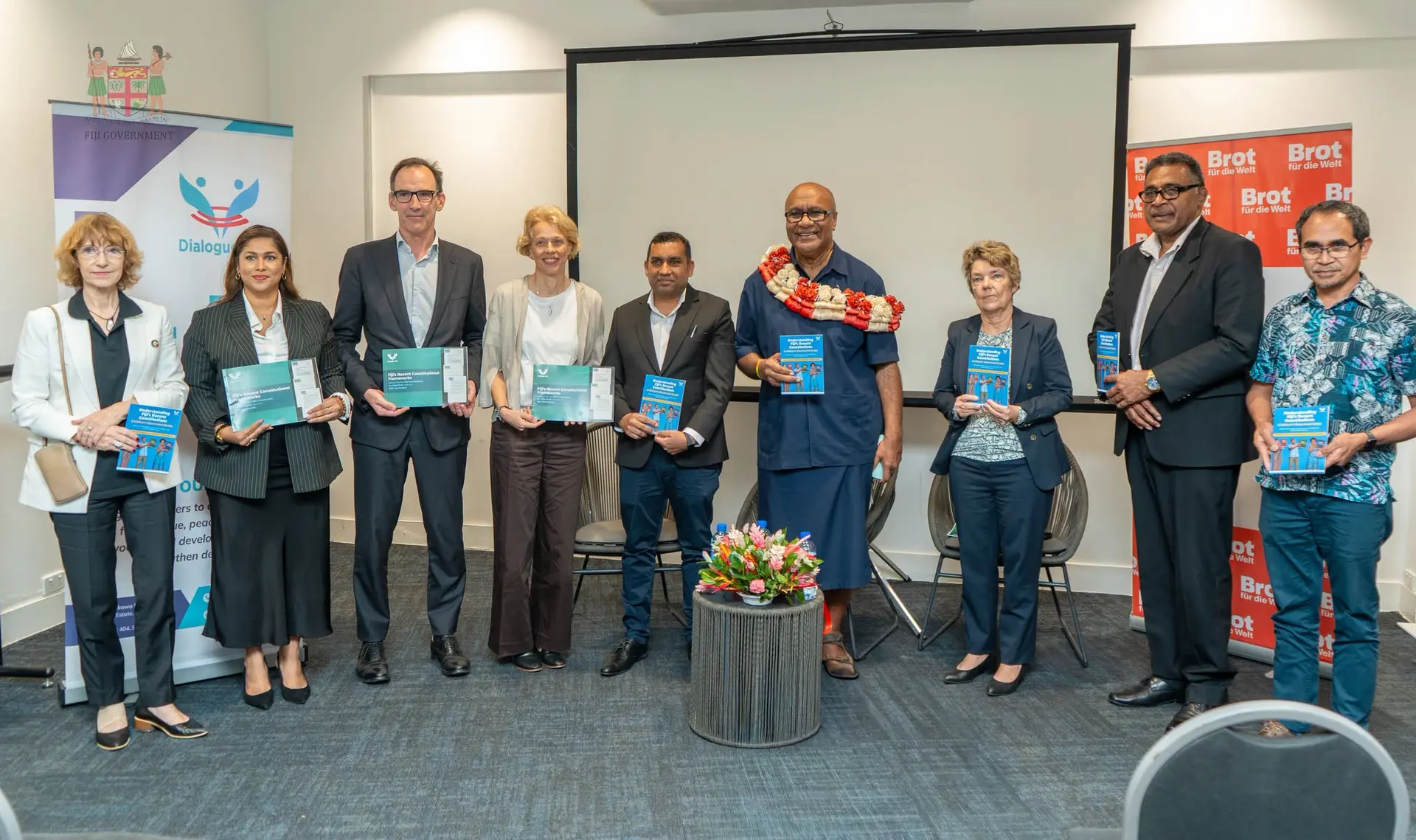
A University of the South Pacific (USP) academic says Section 131 of Fiji’s 2013 Constitution deserves special attention because its wording could give the Republic of Fiji Military Forces (RFMF) “supra-constitutional authority” over elected governments.
Associate Professor Sandra Tarte made the comments yesterday during the launch of two Dialogue Fiji publications on Fiji’s constitutions at Tanoa Plaza in Suva.
She said the section, which gives the RFMF “overall responsibility” for the “security, defence and well-being of Fiji and all Fijians”, was an area not fully covered in the new comparative guides and deserved special attention.
Quoting former Professor Stewart Firth, she said Fiji had long been described as a “democracy by military permission”.
Ms Tarte recalled being a journalist at Islands Business magazine in May 1987 and attending the first press conference called by then-Lieutenant Colonel Sitiveni Rabuka after he seized Parliament.
“I can still recall my shock and disbelief when hearing the coup leader calmly pronounce that he was abrogating the 1970 constitution,” she said. “It seemed impossible and yet it wasn't.”
Constitutional fatigue
Ms Tarte said Fiji had had fewer than three elected governments under each constitution since independence, calling it “a record” and “not one to be proud of”.
None of Fiji’s constitutions, she said, had “withstood the test of time – the test of turmoil, of elections and of authoritarian dictate”.
She quoted Distinguished Professor Steven Ratuva’s foreword describing Fiji as having reached a state of “constitutional fatigue” from repeatedly rewriting its rules, often “against our will”.
Ms Tarte said the guides also showed Fiji’s shift from ethnic-based electoral rolls to a common roll, as well as the changing role of the Bose Levu Vakaturaga across the three constitutional frameworks.
She said understanding this history was vital to building trust ahead of any future constitutional review.