Turaga: ‘We’re doing it in a more transparent and engaging way’
Mr Turaga was responding to the Centre for Democracy and Dialogue (CDD), which described the Constitution Amendment Bill 2026 as a “significant downgrade”.
Sunday 04 October 2026 | 08:00

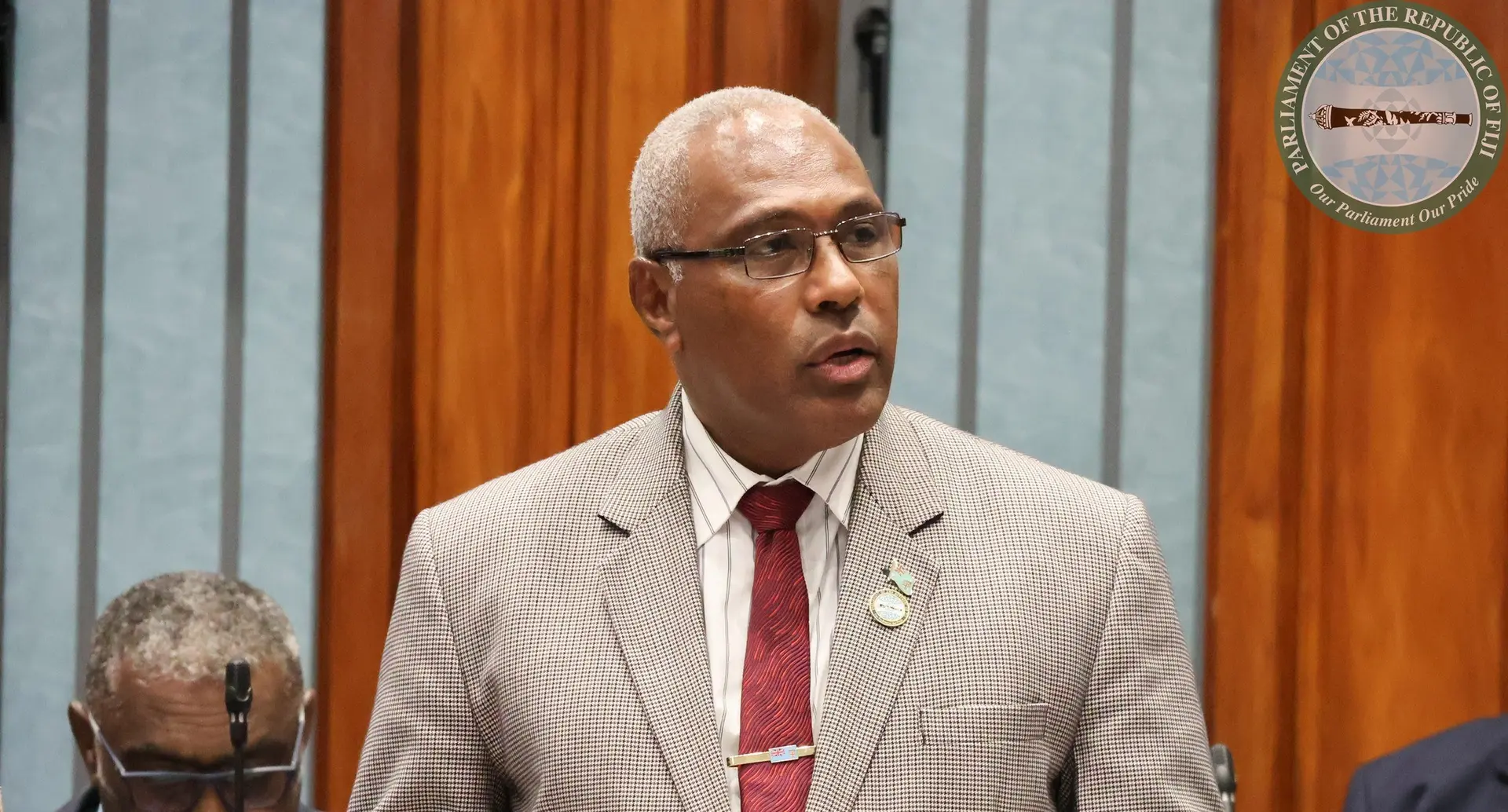
Acting Attorney-General and Minister for Justice Siromi Turaga in palriament on May 26, 2026.
Parliament of Fiji
Acting Attorney-General Siromi Turaga says the Government is taking a “more transparent and engaging” approach to constitutional change, as he responded to criticism over differences between the Constitution Review Commission (CRC) draft and the Constitution Amendment Bill 2026.
Mr Turaga was responding to the Centre for Democracy and Dialogue (CDD), which described the Constitution Amendment Bill 2026 as a “significant downgrade”.
He said the CRC drafted a Constitution, “which was good,” but left the final decision to Government.
Related stories
“It happened in 1997. We all know what happened in 2013,” he said. “But we’re doing it in a more transparent and engaging way.”
Mr Turaga said the public would have an opportunity to have its say through the special committee, which has 30 days to review the Bill.
“The committee is the last before it’s put to vote,” Mr Turaga said.
CDD chief executive officer Nilesh Lal questioned who wrote the Government draft, the basis for changes from the CRC draft and how a substantially different text was produced “in record time”.
The CRC submitted its draft on August 31.
Mr Turaga said a Cabinet select committee, chaired by Prime Minister Sitiveni Rabuka and by him in the Prime Minister’s absence, met in his office over four weeks.
CRC chairperson Sevuloni Valenitabua earlier said commissioners prepared their draft in five weeks.
They were assisted by three overseas legal experts: Professor Anthony Regan, Dr Kathrene Le Roy and Fiona Leonard.
Mr Turaga earlier said drafters and Prof Regan were working from his office.
Mr Lal said the Bill removed the Prime Minister’s term limit and the Cabinet size cap.
He also criticised Section 40, which allows “lawful and moderate chastisement” of children.