WHO pledges continued support for Fiji’s HIV emergency response
WHO said the emergency declaration provided an opportunity to further intensify the response.
Saturday 19 September 2026 | 17:00
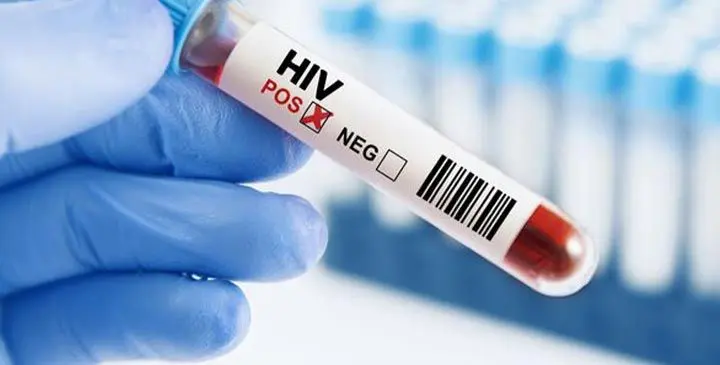
The World Health Organization (WHO) will continue supporting Fiji to expand HIV testing, treatment and prevention services as the country intensifies its response following the declaration of HIV as a national emergency.
Fiji formally declared HIV a national emergency on September 15 amid one of the sharpest increases in new HIV infections globally.
The declaration builds on a response that has been underway for the past two years.
Related stories
In 2024, Fiji endorsed its HIV Surge Strategy 2024–2027 and subsequently launched a national HIV Outbreak Response Plan, with UNAIDS, WHO and other partners supporting its implementation.
WHO said the emergency declaration provided an opportunity to further intensify the response.
UNAIDS estimates that 9100 people were living with HIV in Fiji in 2025 — 12 times the number recorded in 2010. However, only 39 per cent knew their status and 22 per cent were accessing treatment.
WHO has welcomed new measures announced by Government to expand access to free HIV testing and prevention services.
These include pre-exposure prophylaxis (PrEP) for people at substantial risk of acquiring HIV, harm reduction measures for people who inject drugs and free treatment for people diagnosed with HIV.
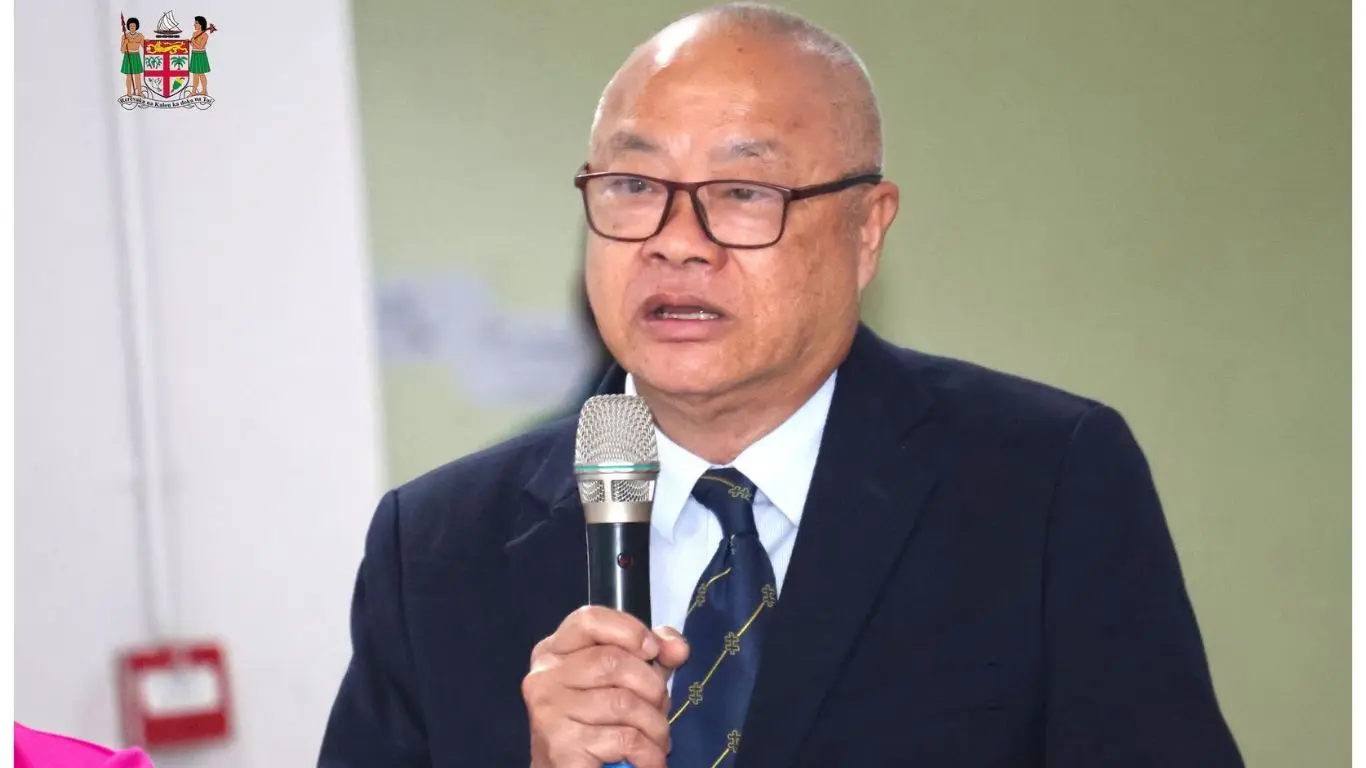
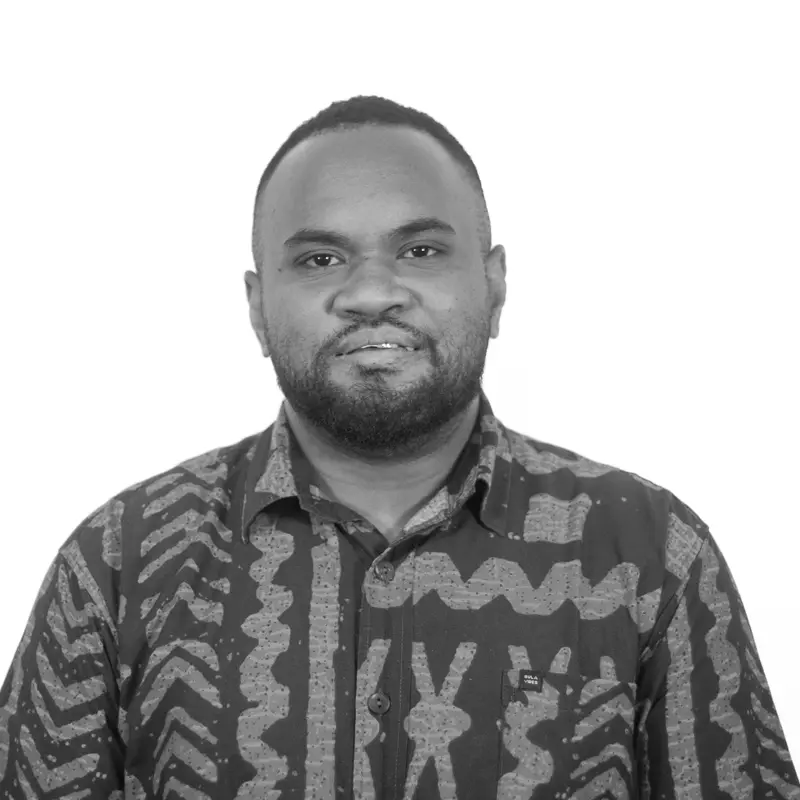
"Although the HIV situation in Fiji is very concerning, there are grounds for hope. Global examples show that with significant and sustained action it is possible to bring this emergency under control, and modern treatments mean people living with HIV can live normal healthy lives and not pass the infection on,” said Dr Mark Jacobs, WHO Representative to the South Pacific and Director of Pacific Support, based in Suva.
“We know what works – testing, early diagnosis, access to treatment and appropriate care, needle syringe programs, empowered communities, and addressing stigma and discrimination. WHO will continue to work closely with the Ministry of Health and Medical Services, along with other partners, as we have done from the very beginning.”
Earlier this year, Government announced plans to introduce a needle and syringe programme.
Government has also reassured the public that free treatment is available to ensure people living with HIV can live long and healthy lives, while treatment also prevents them from transmitting HIV to their loved ones.
WHO said staying informed and addressing misinformation was important because fear, uncertainty and rumours could increase stigma and discourage people from taking preventive action or accessing care, support and treatment in a timely manner.
The Ministry of Health and Medical Services continues to implement immediate and long-term strategies, provide additional resources and create Talanoa conversation opportunities to exchange lessons across the Pacific.
A regional dialogue on HIV was recently held at the Pacific Heads of Health Meeting in Rarotonga, Cook Islands.
Pacific island countries recognised that regional cooperation was important because of the close connections between countries.
They agreed that urgent preparedness and tailored action were needed in their respective countries, with early action helping to reduce higher costs and negative impacts later.
"Everyone has a role to play,” emphasized Dr Jacobs.
“WHO calls for continued whole-of-government and whole-of-society collaboration and engagement to collectively get on top of the situation.”