Women trained as grassroots advocates against violence
Training focuses on gender equality, women’s rights and grassroots response to violence
Thursday 13 August 2026 | 16:00
Updated 13 August 2026 | 17:20 FJT

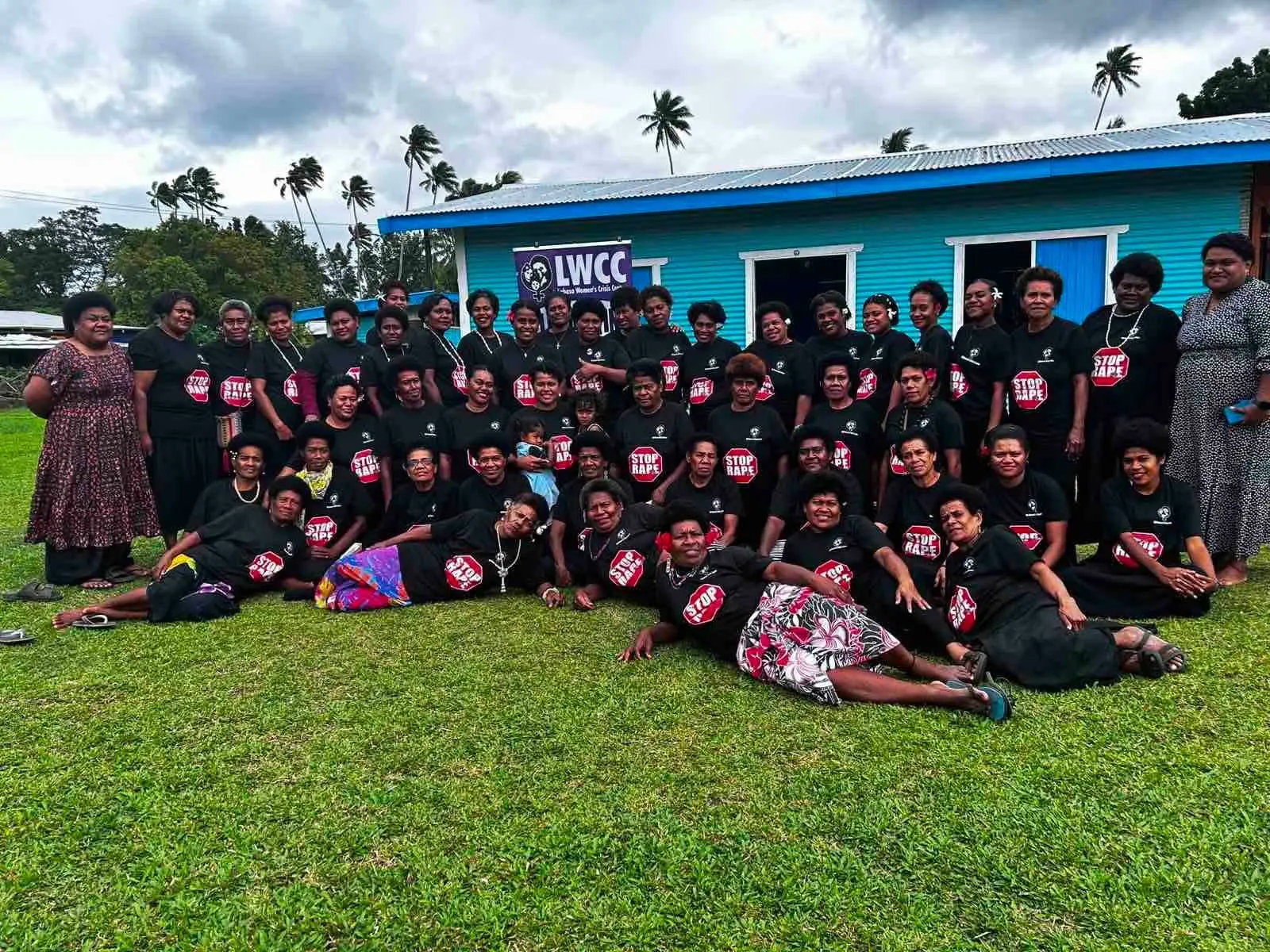
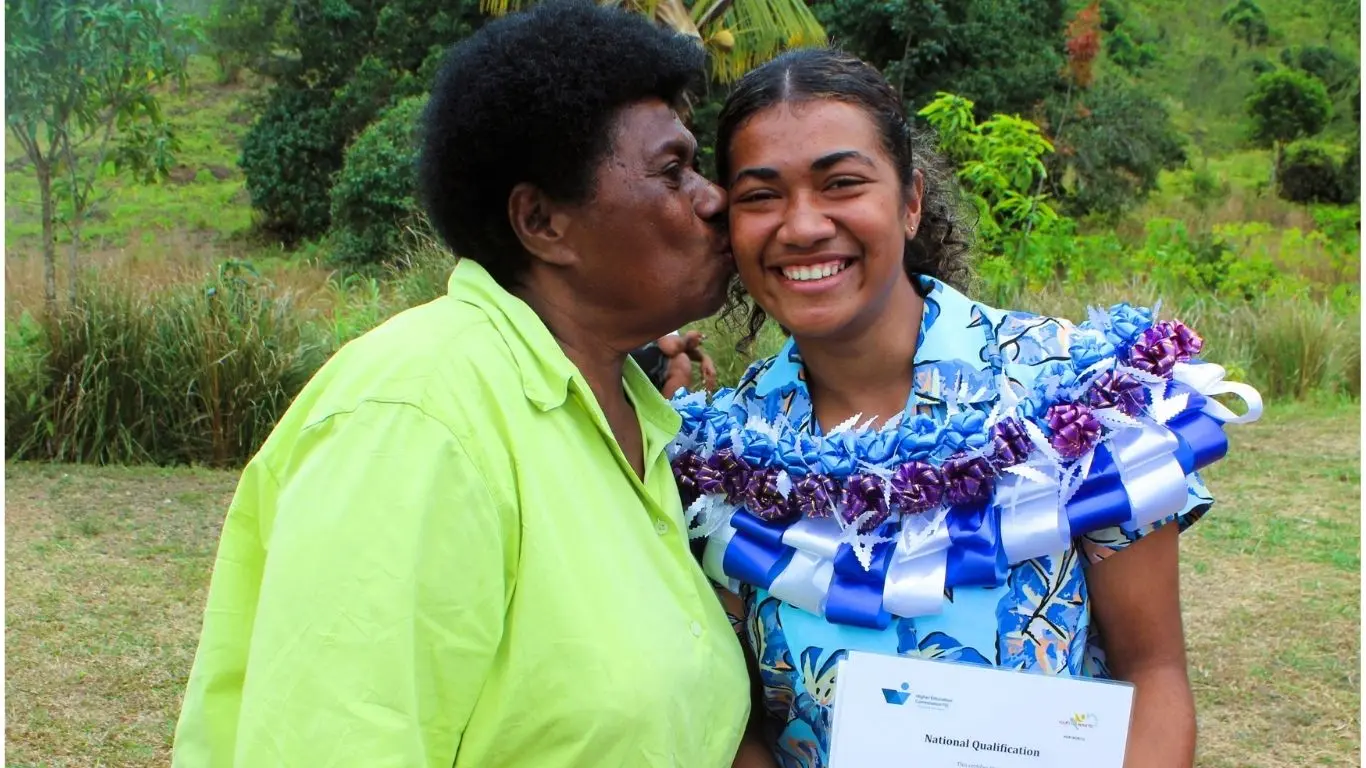
50 women from Nacodreudreu, Nakasa, Dreketi and Wailevu were trained to tackle violence against women in Cakaudrove on August 7, 2026.
Supplied
Women from four Vanua Levu communities have completed training aimed at strengthening grassroots efforts to eliminate violence against women and girls.
The week-long awareness programme, organised by the Labasa Women's Crisis Centre (LWCC), brought together participants from Nacodreudreu, Nakasa, Dreketi and Wailevu from August 3 to 7.
The sessions were facilitated by Litia Waqavatu, counsellor advocate of the Ba Women's Crisis Centre, and Elina Cagilaba, counsellor advocate of the Fiji Women's Crisis Centre (FWCC).
Related stories
LWCC said the training focused on increasing participants' understanding of gender, violence against women and girls, and women's human rights while strengthening their capacity to respond to violence and promote gender equality in their communities.
Participants discussed gender roles and stereotypes, different forms of violence against women and girls, and the impact violence has on individuals, families and communities.
"They also explored ways to contribute to safer communities and support efforts to eliminate violence against women and girls," LWCC said.
According to LWCC, the programme forms part of FWCC's ongoing strategy to develop community advocates who can champion efforts to eliminate violence against women and girls at the grassroots level.
By equipping women with knowledge and practical skills, the initiative aims to expand a network of community advocates capable of identifying issues, supporting survivors and promoting greater awareness of women's rights.
FWCC continues to conduct training and awareness programmes throughout Fiji to equip women and communities with the knowledge and skills needed to promote women's human rights and prevent violence.
"The centre has developed a comprehensive training module used in programmes locally and across the Pacific, with adaptations made for specific communities and contexts," LWCC added.