Cost, family expectations and party culture limit women in politics
Opposition MP Premila Kumar and Qereqeretabua highlight financial pressures and self-doubt as barriers to women entering politics.
Wednesday 21 October 2026 | 06:30
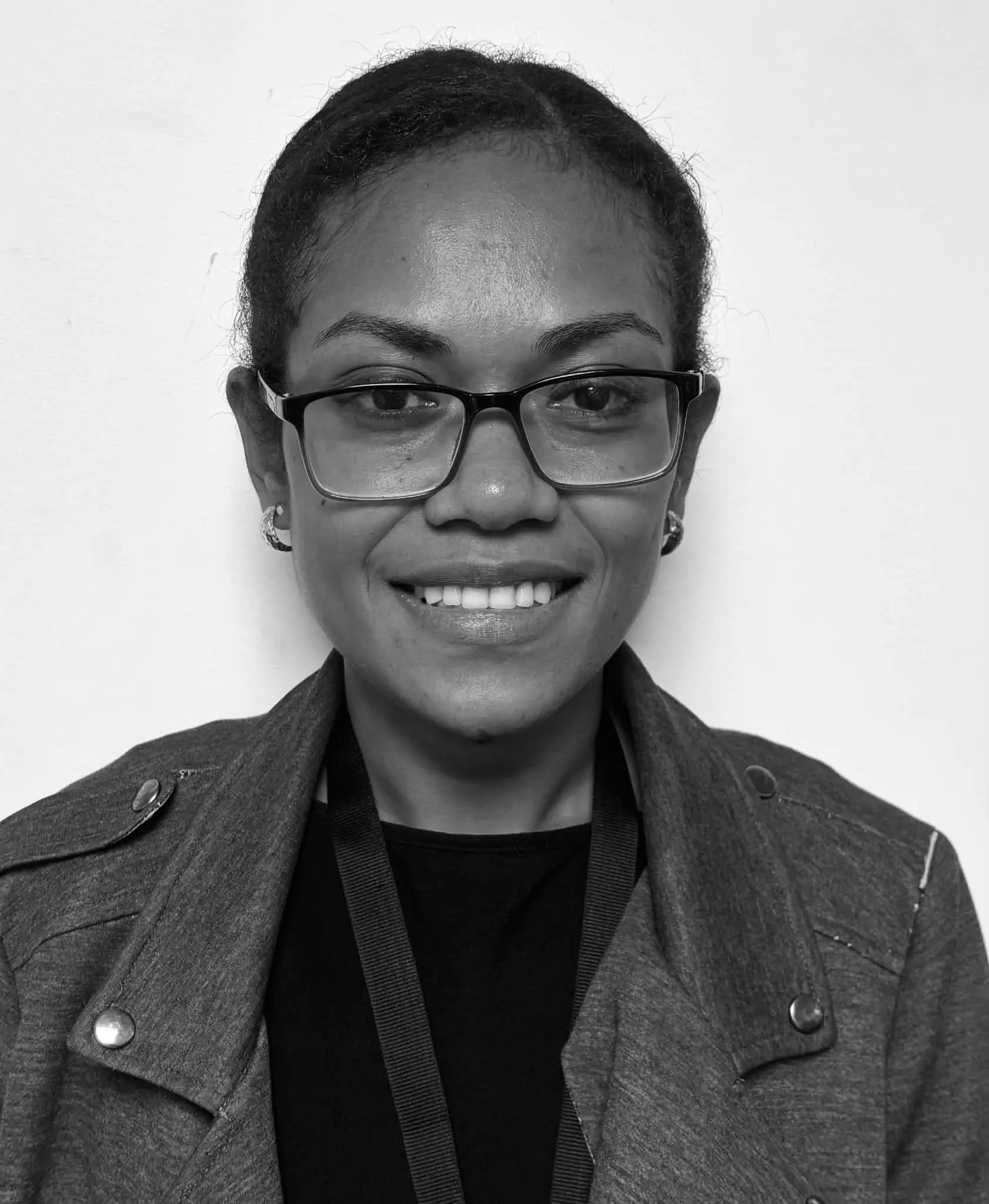
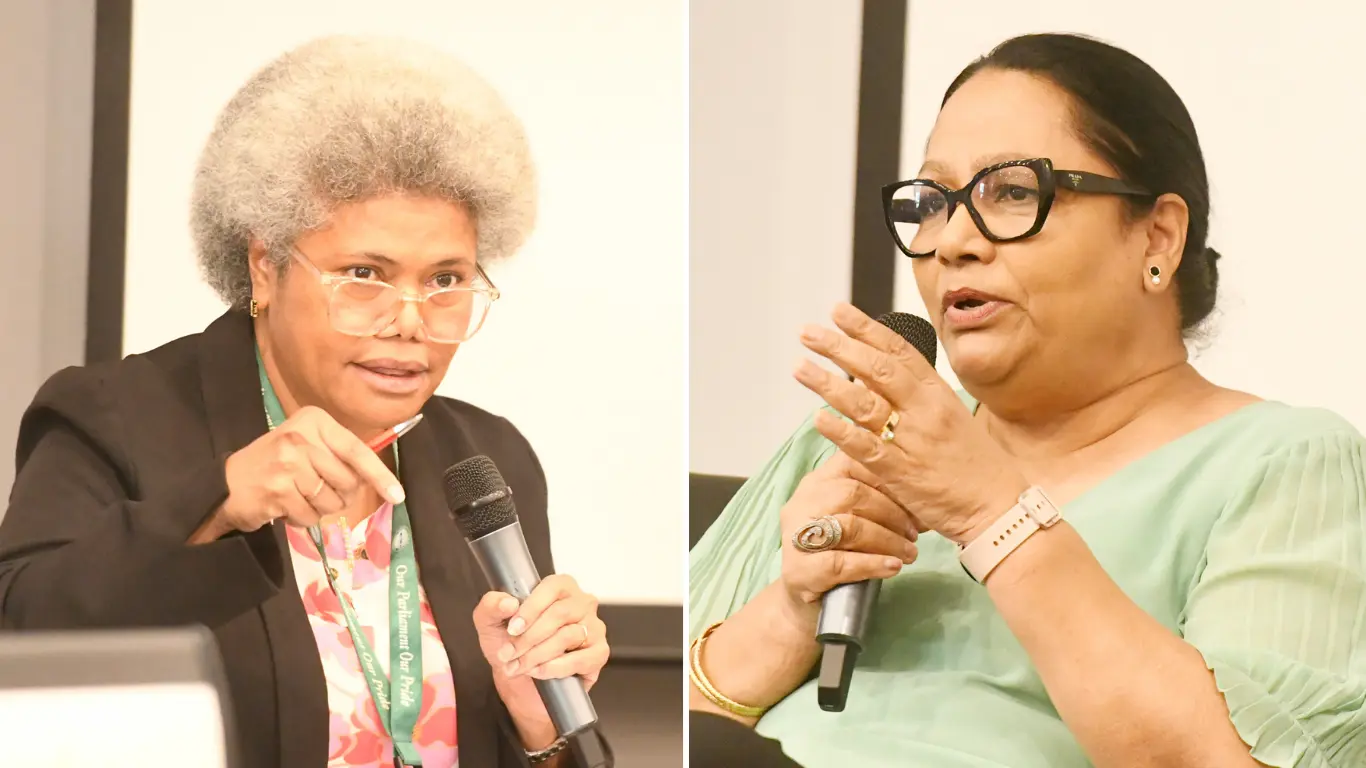
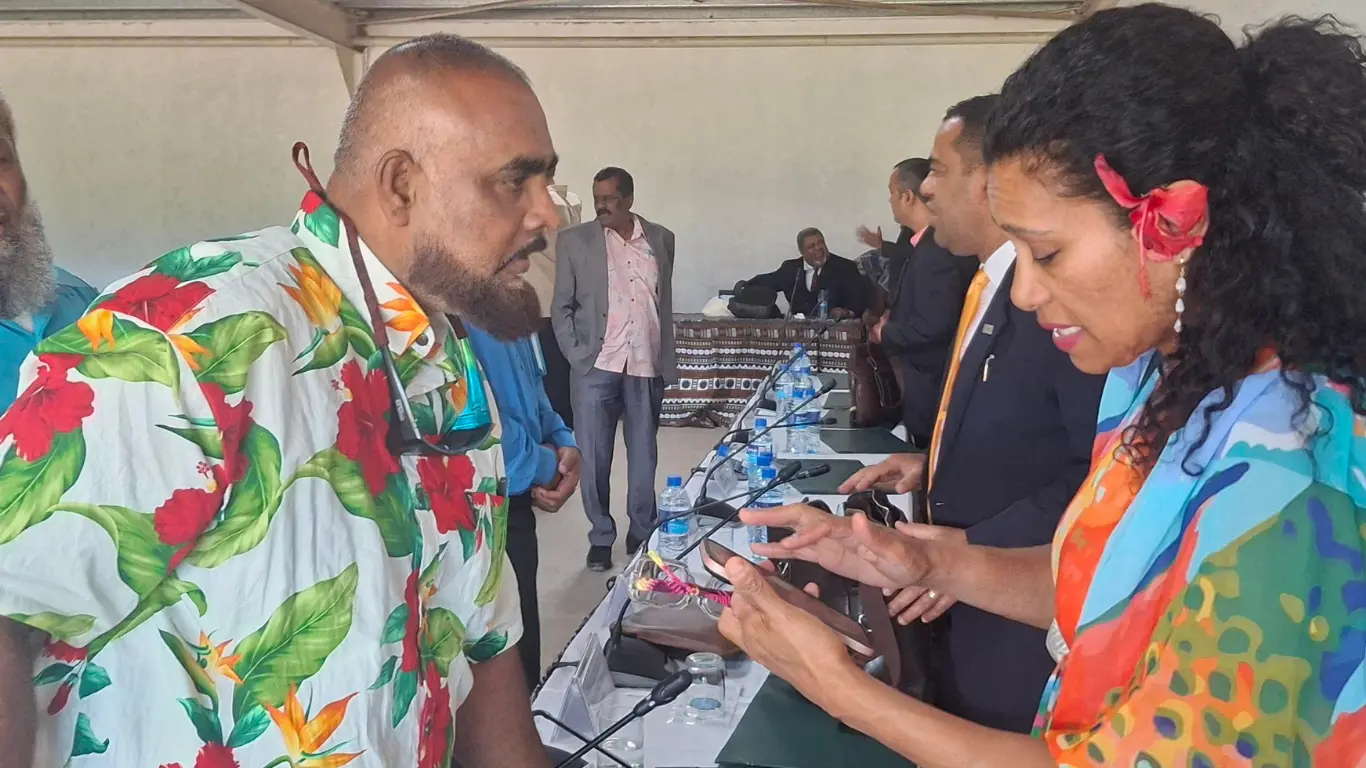
Deputy Speaker of Parliament Lenora Qereqeretabua and Opposition MP Premila Kumar.
Photos: Ronald Kumar
The cost of campaigning, family expectations and political party culture are among the barriers women face in pursuing political leadership.
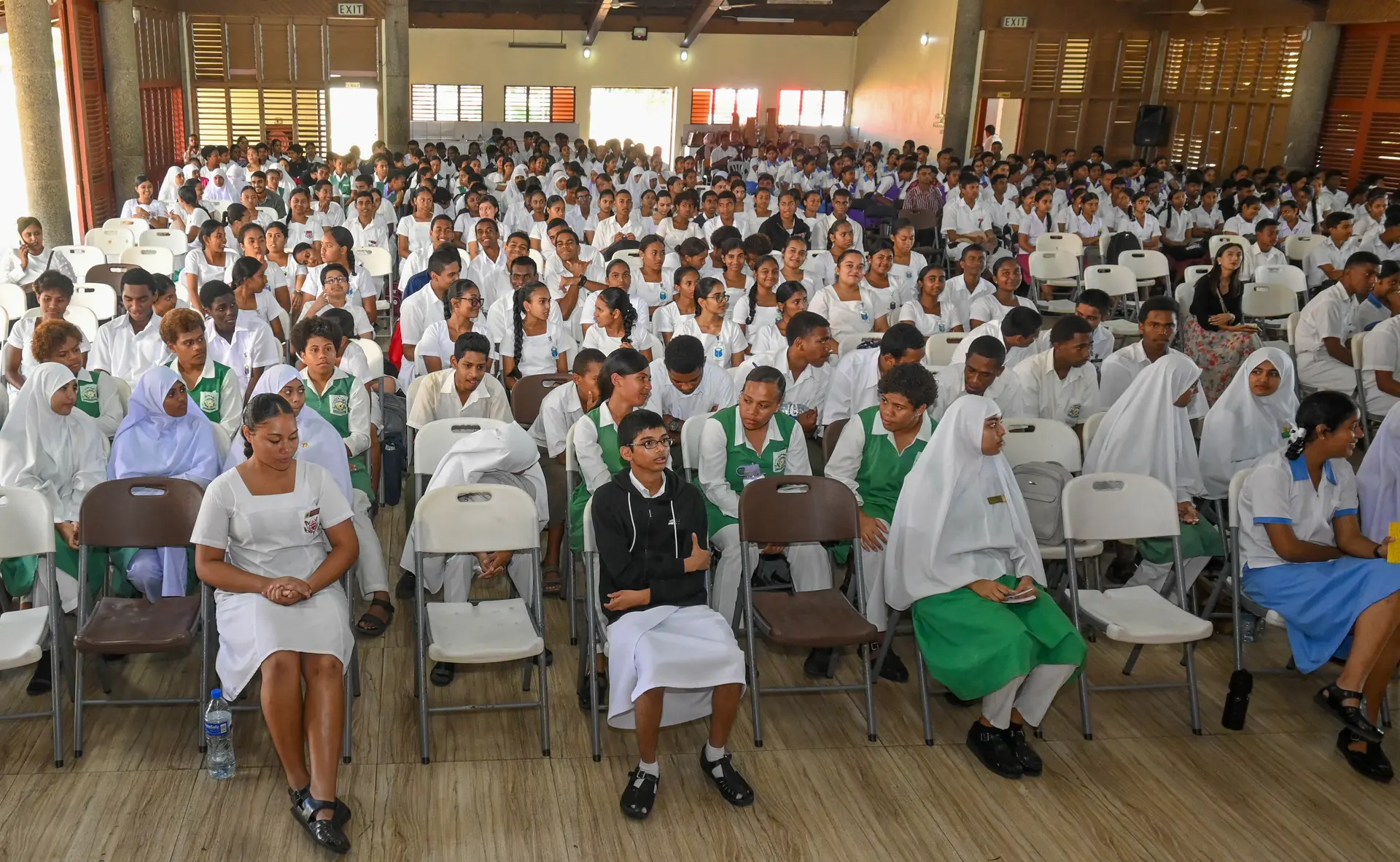
These concerns were raised by Opposition MP Premila Kumar and Deputy Speaker of Parliament Lenora Qereqeretabua during a discussion on barriers to women’s participation in politics at the Fiji Women’s Practice Parliament.
While women may be willing to contest elections, entering politics can require significant financial resources, family support and the ability to navigate party structures that may not always work in their favour.
Related stories
Ms Qereqeretabua highlighted the importance of family support and the financial demands placed on women seeking elected office.
“So whatever party you belong to, you have your money that you need to give to the party. $1,000 goes towards the supervisor of elections to make you an official and then, depending on what your party asks you to do, it can go from $2,000 to $6,000 to whatever your party decides.
“I had to break investments to get into Parliament in 2018, because it cost tens of thousands of dollars,” she said.
Family responsibilities and expectations can also influence whether women are able to enter politics and sustain their involvement.
Without adequate support, prospective candidates may face additional pressure as they balance political ambitions with responsibilities outside Parliament.
“Once you reach that stage where you feel confident that you have the support of your family, the support of the community, then that is the best time to make your entry. But you’ve got to build that network,” she said.
Ms Qereqeretabua said the political environment itself was another concern, with party culture and leadership practices potentially influencing who gets opportunities to contest elections and advance into senior positions.
“Is it because, one, you need the money? Or are you standing for Parliament because you think you can make a difference? And this is where your political party is very important. The choices you make in the political party you stand for. This is why I had said two years ago, find a party that aligns with your values.”
Ms Kumar highlighted self-doubt as another barrier for women considering entering politics.