HIV crisis: ‘Enough talk, more action’
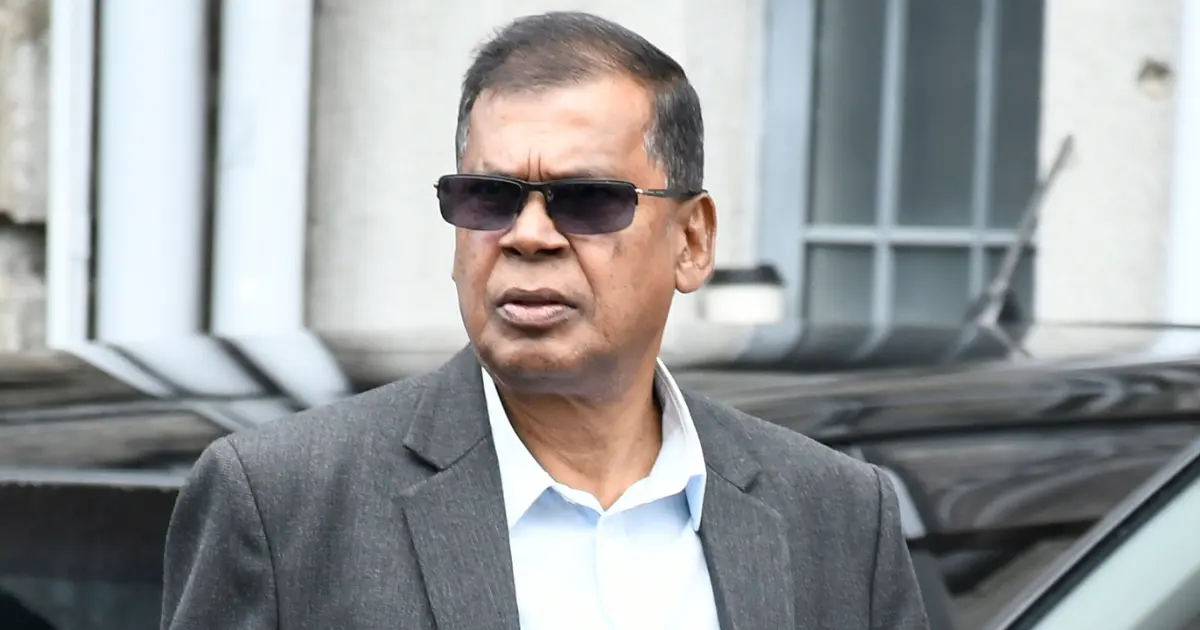
President Dr Ronal Kumar warned the response had been “slow at best”.
Saturday 12 September 2026 | 16:00
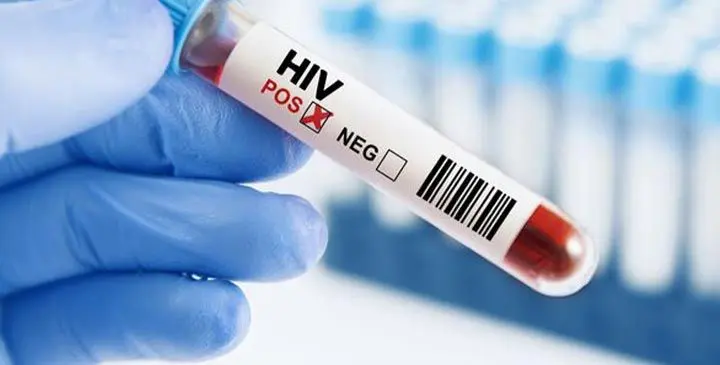
Fiji’s response to its escalating Human Immunodeficiency Virus (HIV) crisis must move from meetings and strategies to immediate action, the Fiji Medical Association says.
President Dr Ronal Kumar warned the response had been “slow at best” despite Fiji recording 2,016 HIV cases in 2025.
He said about 12,000 people were suspected of living with HIV, with adult prevalence estimated at about 1.6 per cent and the majority of cases among iTaukei.
Related stories
“We are taking too long discussing HIV in meetings in hotels and in offices,” Dr Kumar said.
His comments follow Cabinet’s declaration this week that the HIV outbreak is a national crisis.
Dr Kumar said the declaration should have come much earlier and called for legislative barriers to be addressed immediately.
“The action from declaring the outbreak has to be actioned rapidly. To date, we still cannot enforce compulsory testing. I hope the groundwork is delivered more rapidly than at another meeting.”
He said people affected on the ground needed help now.
Cabinet: More action needed
Acting Prime Minister Manoa Kamikamica acknowledged that the Ministry of Health needed greater support and a faster push to implement its HIV response.
He said the ministry had “very good strategies in place” but needed more assistance from Cabinet.
“There is a subcommittee also informed by Cabinet. It involves some very senior ministers and hopefully that will kind of give it the necessary push so that there’ll be enough talk and more action,” Mr Kamikamica said.
Education as a ‘safety net’
Paramount Chief of the Burebasaga confederacy and Tertiary Scholarship and Loans Scheme (TSLS) Board chairperson Ro Teimumu Kepa said Fiji also needed to focus on prevention rather than continually reacting to social problems.
Speaking in relation to the role of TSLS, Ro Teimumu said more attention was needed on young people who drop out of education.
She said dropouts did not begin only at tertiary level and could start as early as Year two, adding that young people who became disconnected from education could later feature in data linked to wider social problems, including HIV.
Ro Teimumu said TSLS was trying to provide a “safety net” by expanding scholarship opportunities beyond traditional tertiary institutions to include smaller education providers and opportunities for school dropouts.
“We need to be proactive to look at which areas in society that really need a lot of help,” she said.
Community action
Ro Teimumu also called for stronger community-level action, saying villages could not be overlooked because people were increasingly exposed to information through mobile phones and social media.
While women’s groups, church groups and youth groups played a collective role, she said engaging young people was becoming more difficult.
“They know their rights. You try to talk to them but getting them together in one space is not easy.”
Ro Teimumu also raised concerns about alcohol and social media, including access to pornography.
She said the issue was not limited to alcohol, pointing to the widespread use of social media among young and older people.
“I think the Government has to do more in terms of trying to limit the sites that people are accessible to, particularly in terms of pornography.
Ro Teimumu said the Government should consider legislation to better manage social media access and content.
“I believe the Government can do more in terms of trying to control social media instead of it being open to everybody, anything and everything,” she said.
She said stronger action was needed as the numbers continued to increase.