HIV treatment gap widens as diagnoses rise
Only 56 per cent of diagnosed people now receiving ART, says taskforce
Tuesday 01 September 2026 | 05:30

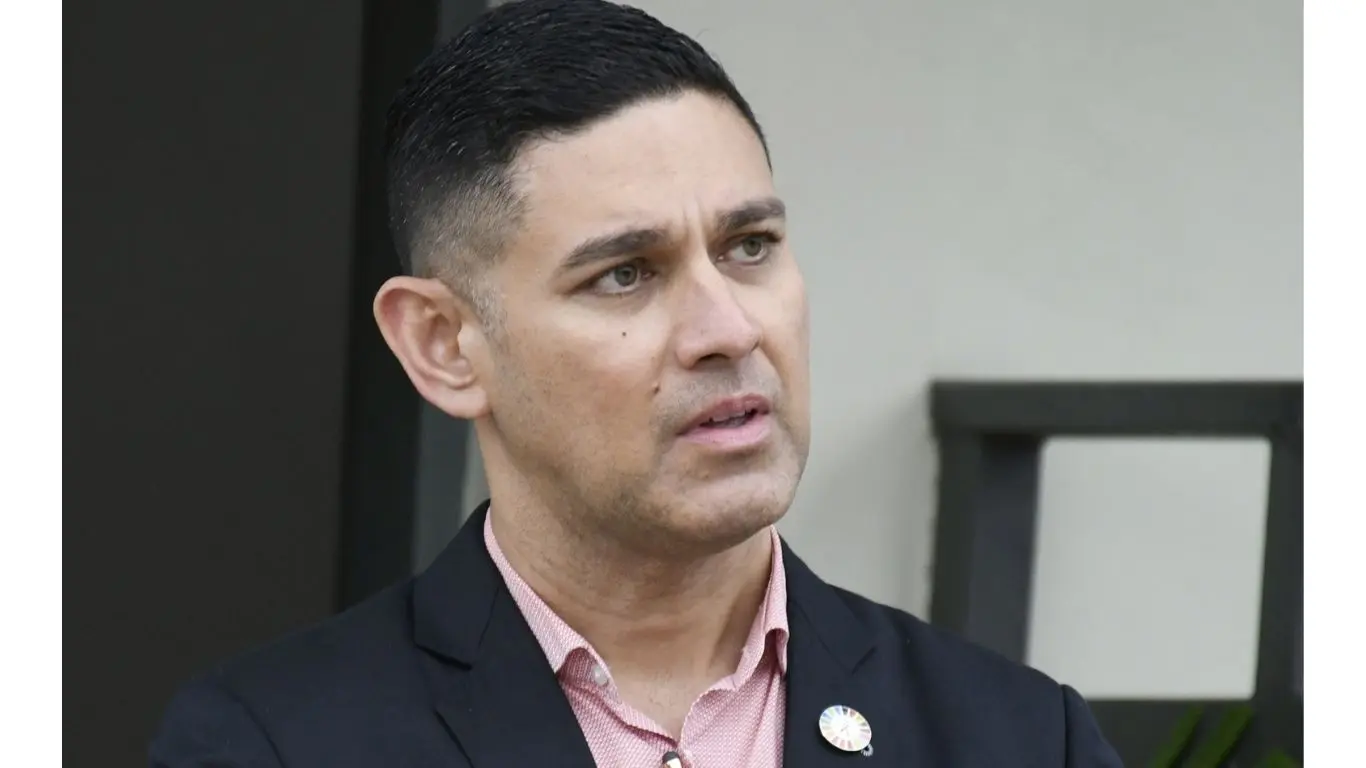
National HIV Outbreak and Cluster Response Taskforce chair Dr Jason Mitchell.
Photo: Ronald Kumar
Fiji is diagnosing people with human immunodeficiency virus (HIV) faster than it is keeping them on treatment.
National HIV Outbreak and Cluster Response Taskforce chair Dr Jason Mitchell said the proportion of diagnosed people receiving antiretroviral therapy (ART) had fallen from more than 98 per cent before 2021 to about 56 per cent.
He said the gap between diagnosis and viral suppression was widening. “We are now finding people faster than we are able to keep them in care,” he said.
Related stories
The taskforce measures the effectiveness of its efforts against the treatment cascade.
For every person diagnosed the taskforce tracks four things: Whether they are aware of their HIV diagnosis, whether they are started on treatment quickly, whether they are still in care at 12 months and, ultimately, whether their virus is suppressed.
“That last measure, viral suppression, is the one that matters most because a person who is virally suppressed stays well and cannot pass the virus on to someone else,” Dr Mitchell said
However, viral suppression cannot yet be reliably measured nationwide.
“Our viral-load testing and data systems are still being built out,” he said.
“Fixing that through viral-load scale-up and unique patient identifiers is a priority in the Outbreak Response Plan, because you cannot manage what you cannot measure.”
The taskforce is also addressing factors contributing to people defaulting on ART after being diagnosed and this included systemic supply bottlenecks and fear of disclosure.
To ensure supply continuity, the taskforce is moving to multi-month dispensing, buffer stocks and dispensing closer to home through primary care.
This means people do not have to choose between a day’s wages and collecting their next refill.
“Against fear of disclosure, we are shifting to community and peer-led models, differentiated services and plain public messaging that undetectable equals untransmittable, so that a diagnosis feels survivable rather than shameful,” Dr Mitchell said.
The Ministry of Health and Medical Services, through the unit, had established its own procurement and supply chain, including its own warehouse.
Feedback: talei.matairakula@fijisun.com.fj