'What we eat today could cost us our lives tomorrow'
Fijians are urged to make healthier food choices and stay active as heart disease and stroke remain major health concerns.
Saturday 17 October 2026 | 10:30


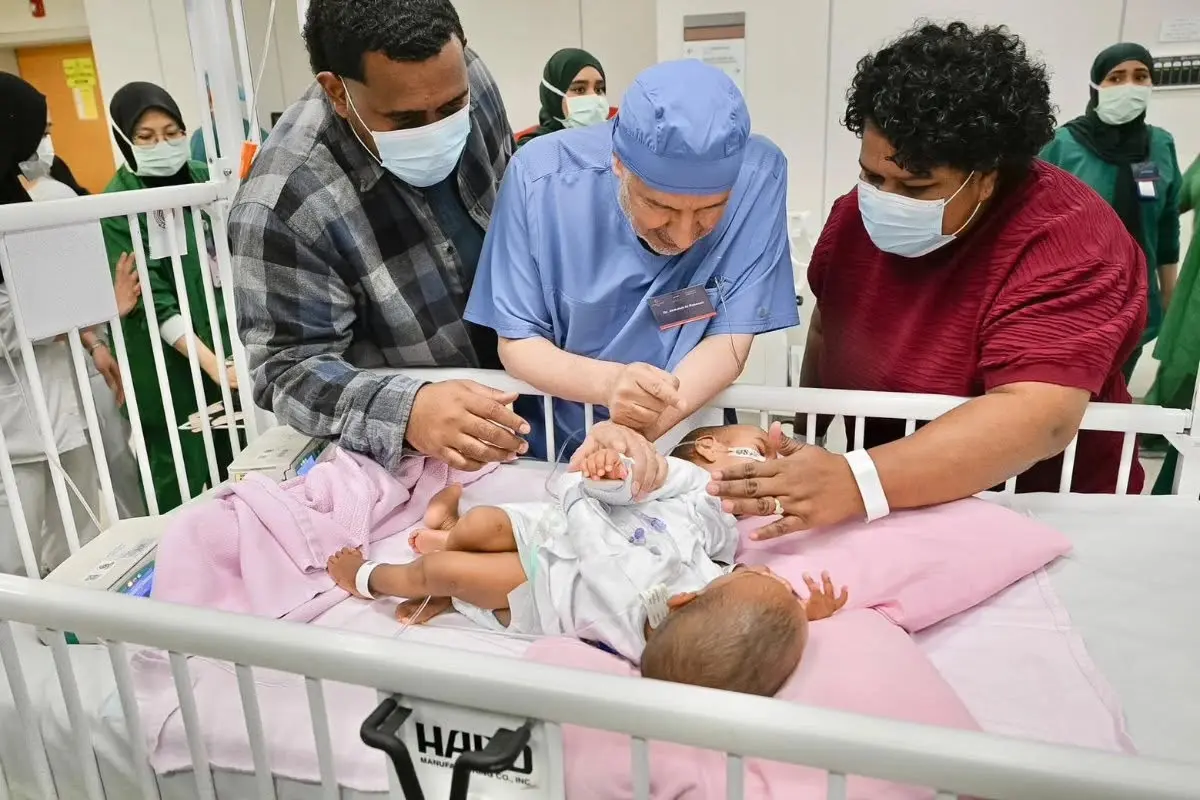
Award-winning cardiothoracic and vascular surgeon Dr Sanjeev Khulbey with Waisale Serevi.
Photo: Waisea Nasokia
The food on our dinner tables today could affect our heart health tomorrow, with unhealthy diets and inactive lifestyles increasing the risk of heart disease across the Pacific.
Award-winning cardiothoracic and vascular surgeon Dr Sanjeev Khulbey is warning Pacific Islanders, including Fijians, that everyday habits such as consuming fatty foods, sugary drinks, excess salt and processed foods can contribute to serious health problems.
“Food and overall lifestyle are likely to be bigger contributors to heart disease than stress alone,” Dr Khulbey said.
He said poor diets and a lack of physical activity could lead to obesity, high blood pressure, high cholesterol and diabetes, all major risk factors for cardiovascular disease.
In Fiji, ischaemic heart disease and stroke remain among the leading causes of death, highlighting the need for greater awareness and prevention.
Dr Khulbey said many people continued unhealthy habits without recognising the risks until serious complications developed. In some cases, patients eventually required major heart surgery.
PSH Hospital in Nadi has successfully repaired or replaced heart valves in 30 patients from Samoa, Vanuatu, Nauru, Tuvalu, Tonga, Kiribati and the Solomon Islands, as well as one patient from New Zealand.
Their cases highlight the importance of access to specialised cardiac treatment across the Pacific.
However, Dr Khulbey said prevention was equally important, with healthier food choices and regular physical activity helping to reduce the risk of heart disease.
He said the challenge for Pacific communities was not only to ensure patients could access life-saving treatment, but also to reduce preventable heart disease before it reached a critical stage.