High Court finds COI unlawful, quashes report in its entirety
Justice Tuiqereqere also found apparent bias on the part of Commissioner Justice Ashton Lewis, citing his repeated references during the hearing to identifying “crocodiles in the pond”.
Saturday 15 August 2026 | 12:00
Updated 15 August 2026 | 18:06 FJT

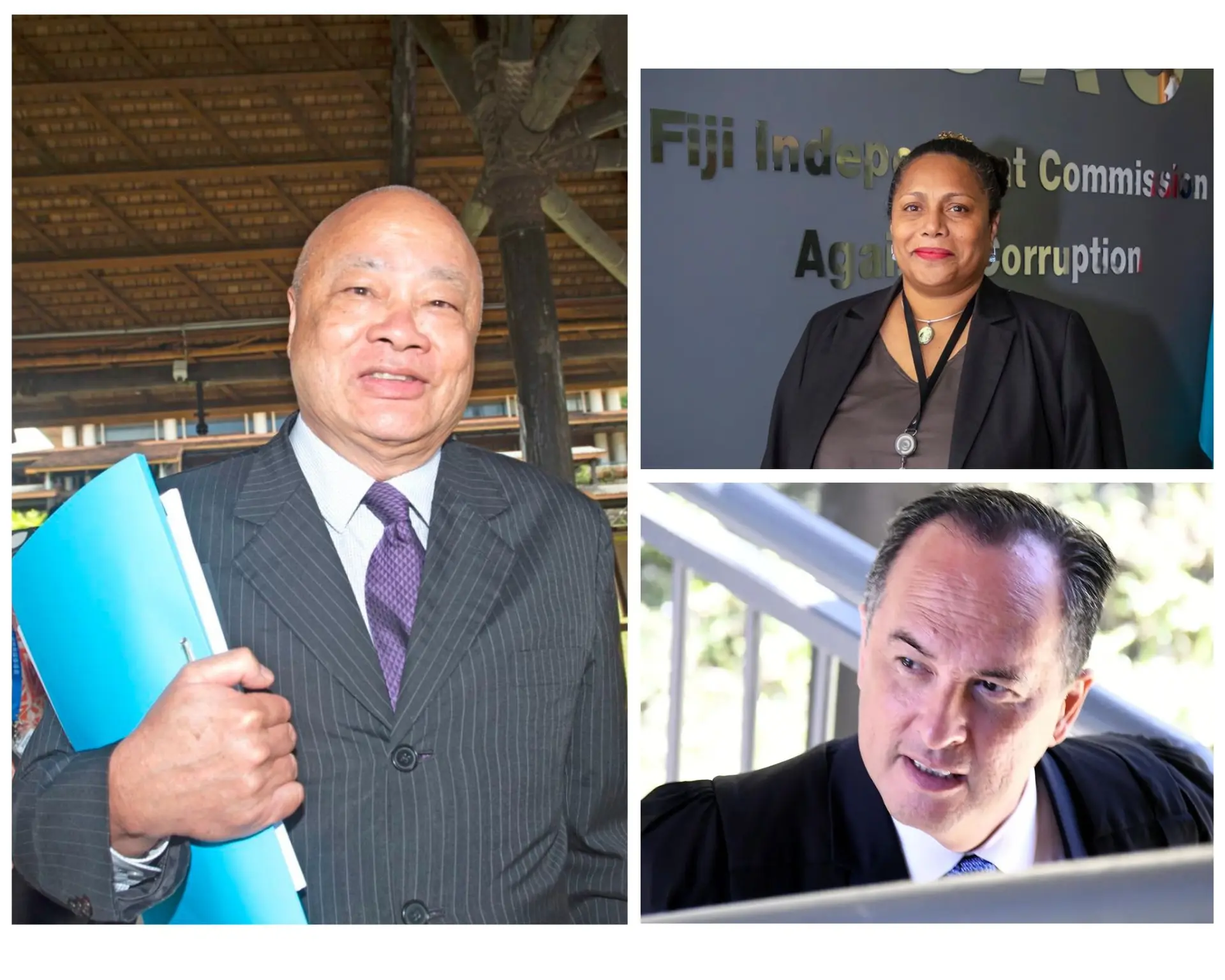
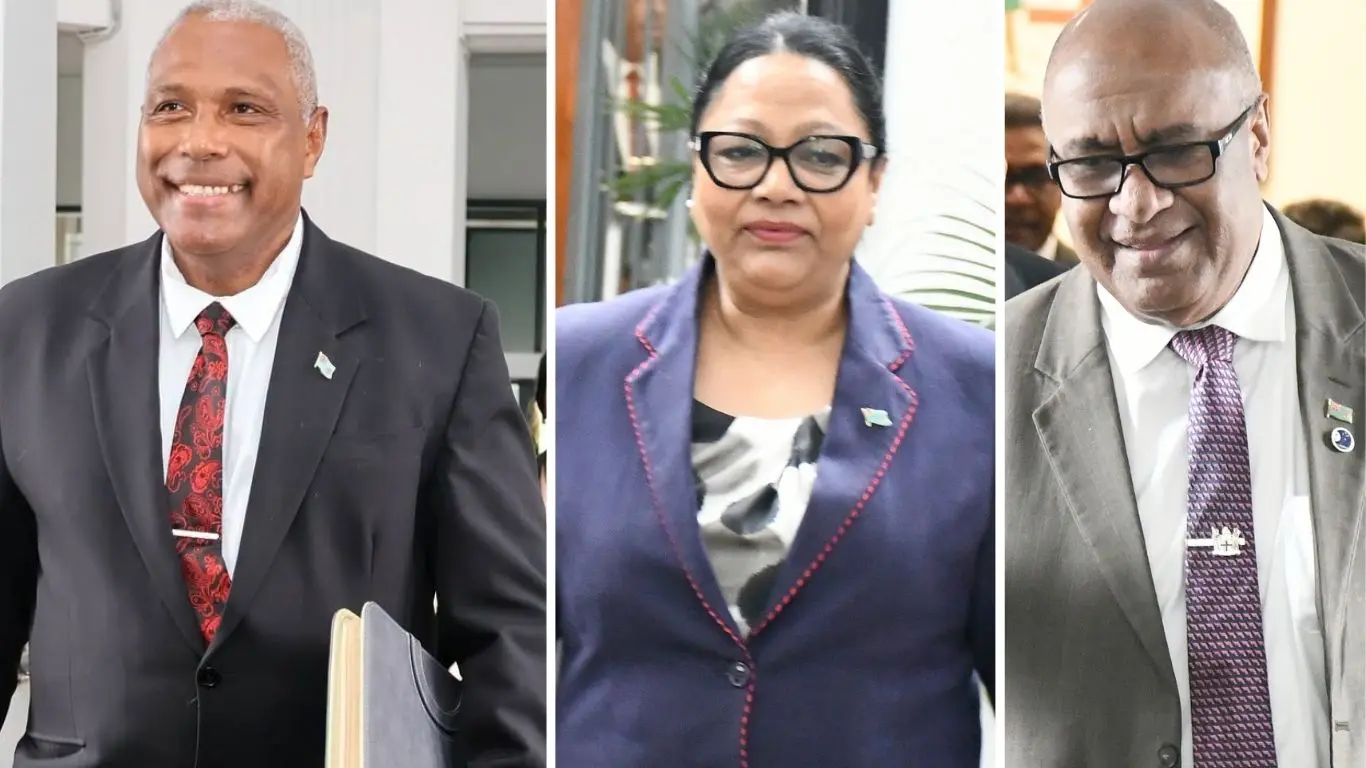
Left: Former Attorney-General Graham Leung, top: former FICAC Commissioner Barbara Malimali, bottom: Fiji Law Society (FLS) president Wylie Clarke.
Photos: Ronald Kumar; Supplied
The Commission of Inquiry (COI) into the appointment of former Fiji Independent Commission Against Corruption (FICAC) Commissioner Barbara Malimali became unlawful when it continued beyond January 31, 2025, the High Court in Suva has ruled.
In a 681-page ruling, Justice Dane Tuiqereqere quashed the COI report in its entirety, declaring it null and void after finding the inquiry had acted beyond its legal powers and denied the applicants natural justice.
Ms Malimali, Fiji Law Society (FLS) president Wylie Clarke, his predecessor Laurel Vaurasi and former Attorney-General Graham Leung had challenged the COI findings on grounds including lack of natural justice, bias, irrationality and acting beyond its powers.
Related stories
Inquiry acted beyond powers
Justice Tuiqereqere found the COI became unlawful when the President attempted to extend the inquiry beyond January 31, 2025.
He found that a fresh commission was legally required for the inquiry to continue, but none was issued.
As a result, everything undertaken by the COI after January 31 was ultra vires, meaning beyond its legal powers or authority.
Justice Tuiqereqere found that this issue alone was sufficient to invalidate the report.
Natural justice denied
The court also found all four applicants had been denied procedural fairness during the inquiry.
They were not properly notified of the specific allegations against them or given an adequate opportunity to respond to proposed adverse findings.
Ms Malimali was also denied access to some witnesses and parts of the proceedings despite being the principal subject of the inquiry.
None of the four applicants received draft findings or meaningful notice before conclusions that could seriously affect their reputations and careers were published.
The court held that they should have been given an opportunity to respond before such findings were made.
Apparent bias
Justice Tuiqereqere also found apparent bias on the part of Commissioner Justice Ashton Lewis, citing his repeated references during the hearing to identifying “crocodiles in the pond”.
The court found Justice Lewis had made public comments suggesting wrongdoing had already occurred and that his task was to expose it.
Justice Tuiqereqere found that the language used throughout the inquiry was extreme and lacked impartiality.
He said a fair-minded observer would consider that the Commissioner had approached the inquiry with a preconceived view rather than an open mind.
Conspiracy findings lacked evidence
The High Court also found there was no logical evidential basis for some of the COI findings against Mr Clarke and Ms Vaurasi.
Justice Tuiqereqere found that Justice Lewis had ignored parts of their evidence and had not properly considered their concerns about a conflict of interest within FICAC.
He found the conclusion that Mr Clarke and Ms Vaurasi were part of a conspiracy or had exercised undue influence over the appointment process lacked supporting evidence.
The court also found that conclusions concerning their involvement in events on September 5, 2024, went beyond what the Commission had been established to investigate.
The matter has been adjourned to August 25 for submissions on costs.