North chiefs see education as key to breaking poverty cycle
Chiefs say families must change attitudes and support children’s education
Tuesday 18 August 2026 | 07:00

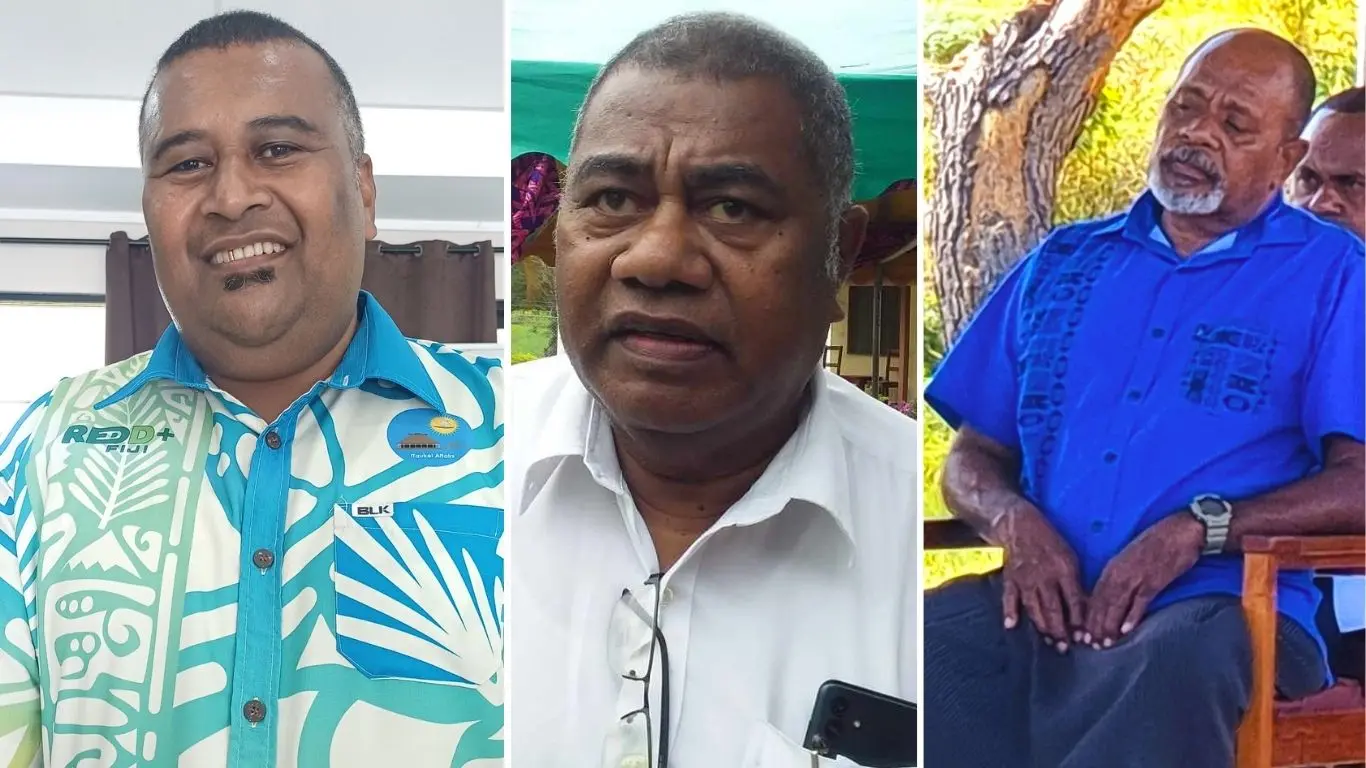
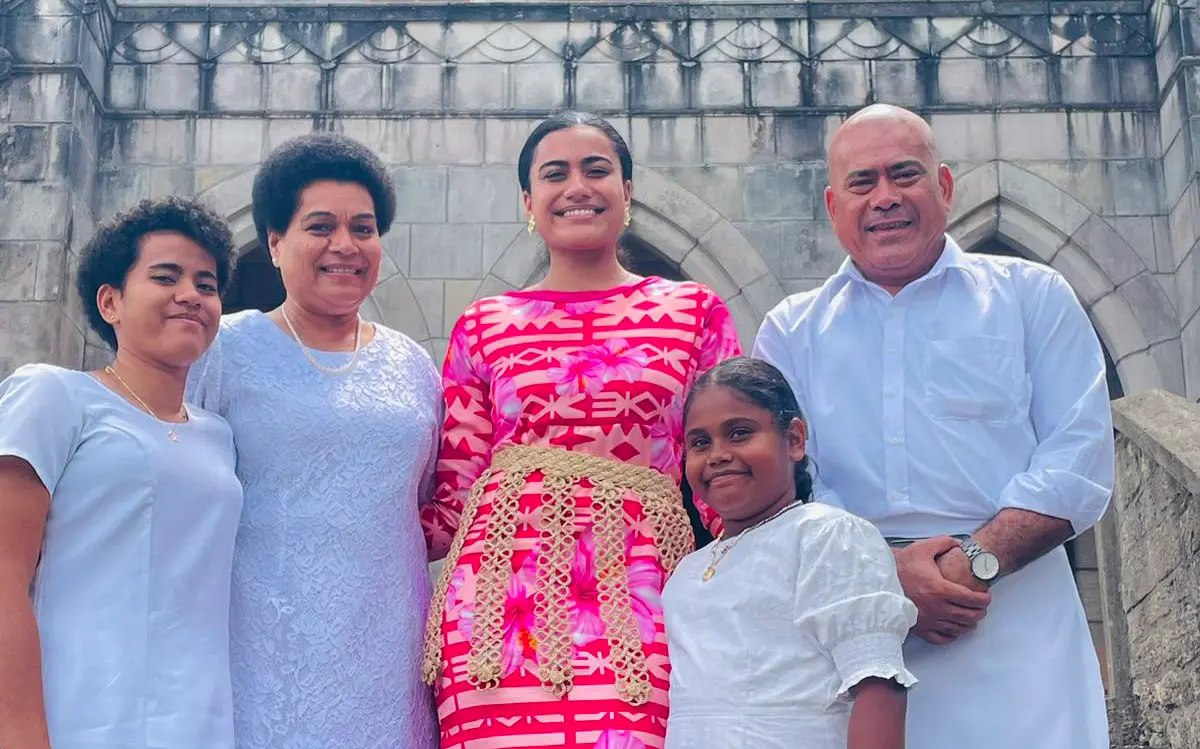
From left: Tui Bua Ratu Makutu Nagagavoka, Tui Labasa Ratu Jone Qomate and Tui Nadogo Ratu Ilisaniti Malodali.
Tui Bua Ratu Makutu Nagagavoka says quality education and productive young people could help develop sustainable income-generating models and break the province’s cycle of poverty.
Ratu Makutu said education continued to be prioritised as an instrument to develop and grow the province.
He said despite being rural-based schools, every student had the capability to prosper and achieve excellence in education.
Related stories
“We want to develop a mindset whereby students receive high-quality education and contribute towards economically growing each village out of poverty,” he said.
Ratu Makutu said one of his aims was to reduce student drop-out numbers in the province.
With resources ranging from raw construction materials to seafood and agricultural produce, he said having the right mindset for running effective businesses was crucial.
Ratu Makutu said Government needed to continue upgrading and constructing infrastructure, from roads to bridges, to open access to new markets.
A thriving province depended on the proactiveness of its people, he said, with the young generation representing a potential catalyst for enriching the province through an income-earning mindset.
Tui Nadogo Ratu Ilisaniti Malodali said youths needed to be moulded to ensure they acquired education to a level at which they could contribute back.
Ratu Ilisaniti emphasised that families needed to change their perception of education and support their children to become educated.
Tui Labasa Ratu Jone Qomate said the fight against illicit drugs and crime could be won through productive engagement of youths.
Ratu Jone said education could be used to involve youths in farm mechanisation, helping address labour shortages and increase productivity.
“We need knowledge-based youths to know how to operate machines to thrive in agriculture and sugarcane farming to open up income-earning opportunities.”
Prime Minister Sitiveni Rabuka echoed similar sentiments and said the country could achieve middle-class income status by 2050 during a recent visit to Bua Lomanikoro Village.
However, a collaborative approach by each village, district and province would be required to achieve this national goal.