For Saravi residents, flood preparation is a way of life
Tuesday 01 September 2026 | 15:30

Low-lying Nadi settlement residents monitor warnings, protect essentials and move to safety before floodwaters arrive
For families in the Saravi settlement in Nadi, flood preparedness begins long before water enters their homes.
Living in a low-lying area, residents have learnt to recognise warning signs, protect essential belongings and move to safer ground before flooding turns daily life into an emergency.
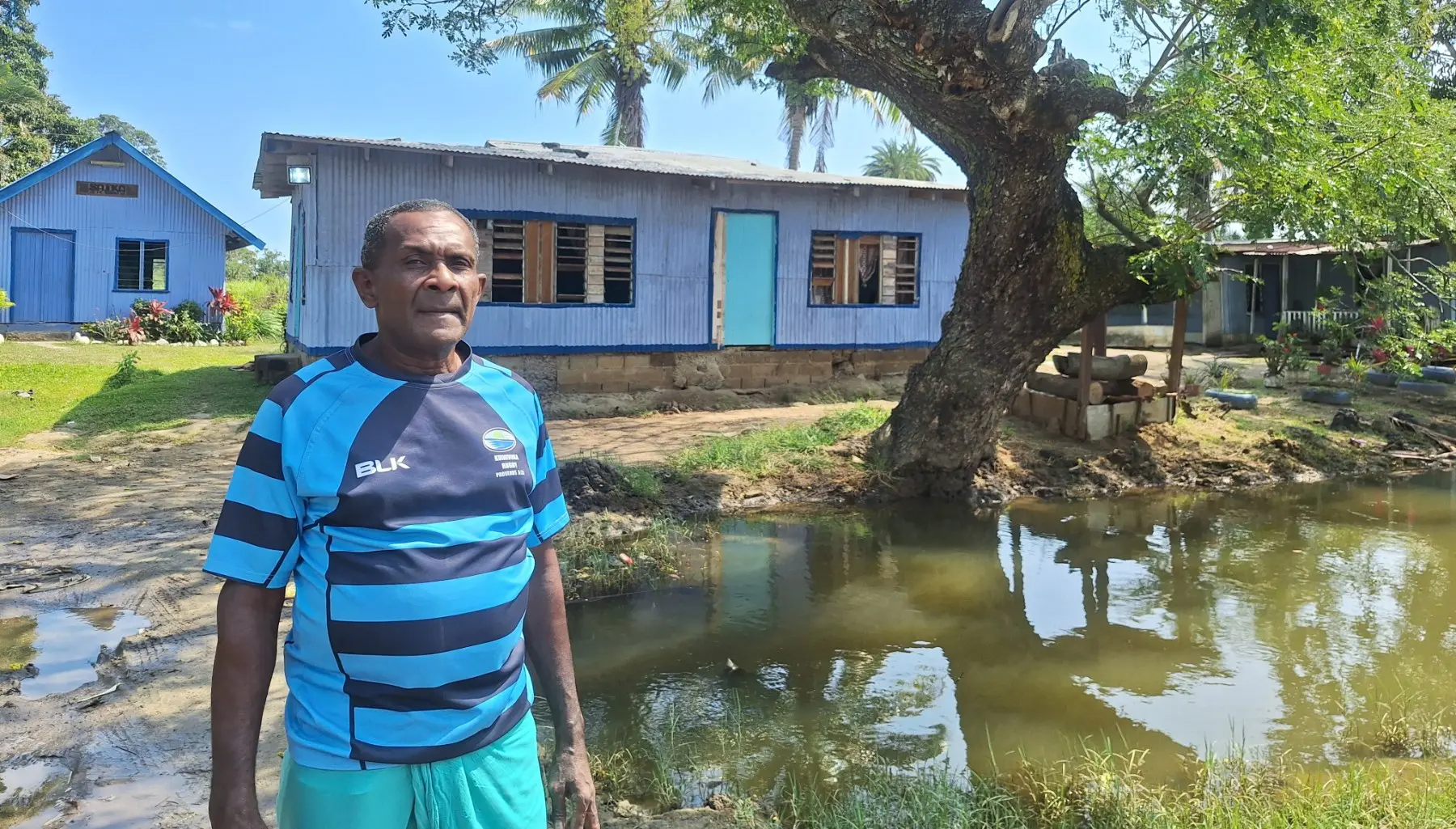
For 61-year-old Tomasi Masikesa, who has lived in Saravi since 2004, knowing when to leave has become part of life.
Related stories
“When we know if the flooding is coming soon, then we just know what to do. Pick up the main stuff and go,” he said.
Mr Masikesa, originally from Vunuku, a small coastal village in Rewa, has experienced some of the community's worst floods.
He said residents monitor weather conditions and prepare to evacuate when they believe flooding is imminent.
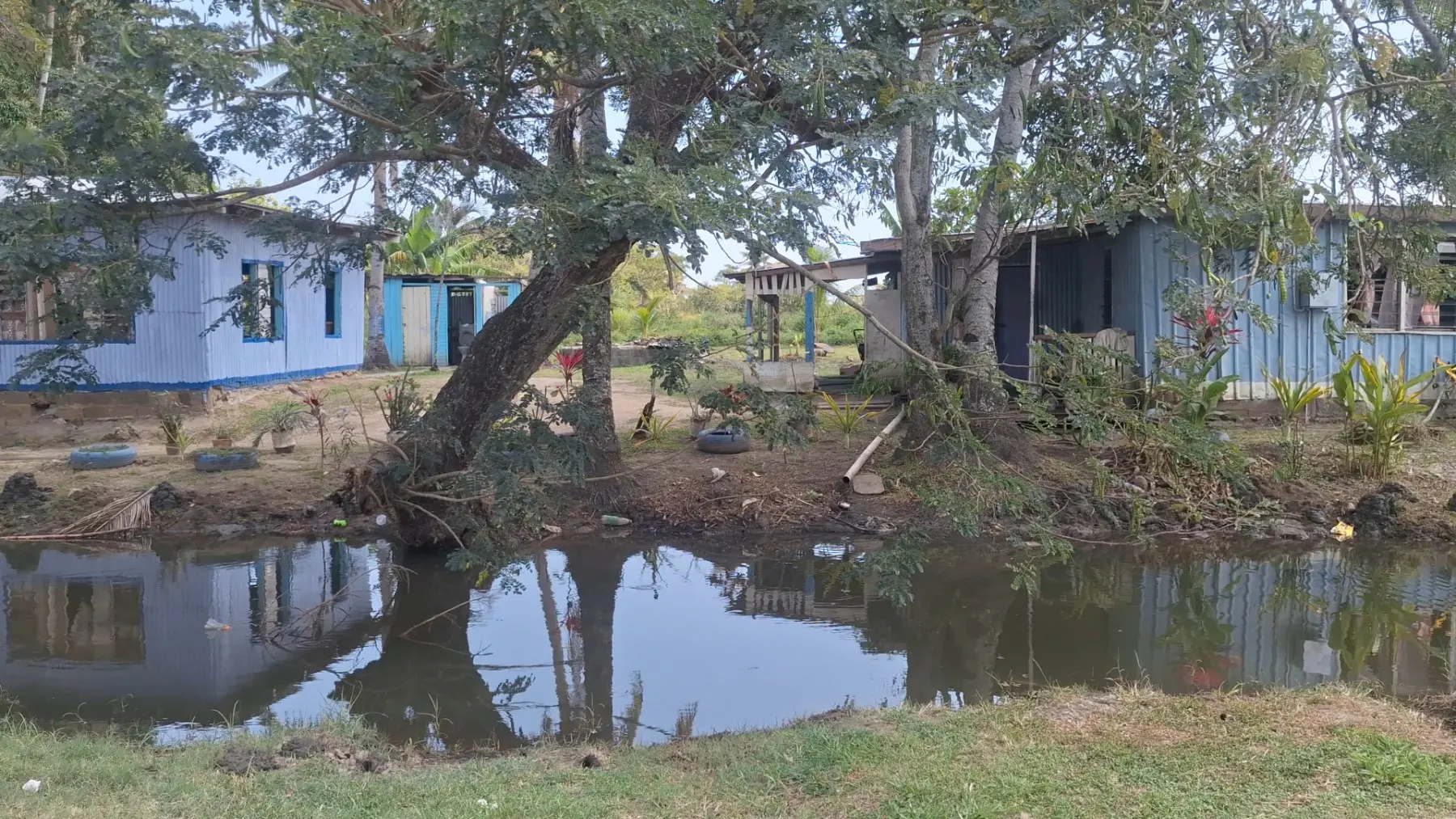
Saravi Settlement in Nadi.
Photo: Katherine Naidu
Some residents move to Nadi Muslim School, while others stay with relatives or relocate to homes on higher ground.
But the threat in Saravi does not come from heavy rain alone. Mr Masikesa said water can also rise from the sea, increasing the danger for families living in the low-lying settlement.
“We have the floodgate at the back, and it does need assistance from the Government to raise the land area level,” he said.
For 27-year-old mother Koleta Tuicau, early preparation is especially important because she has three young children.
Ms Tuicau, who has lived in Saravi since marrying six years ago, said floodwater entered her home during flooding in April.
“I have three young children; the youngest is one year of age, another one is two, and the third one is in Year One, so it is very risky during times of disasters,” she said.
For families with young children, the risks can continue even after floodwaters recede.
Ms Tuicau said children in the community could become sick during floods, particularly babies.
“Plenty children in this community get sick, especially babies. So we become very vulnerable.”
She said families also faced difficulties growing food because soil conditions made backyard planting difficult.
When flooding occurs, residents rely on evacuation centres, relatives and Government assistance. Food rations are provided, while nurses visit affected families to check babies and provide medication, she said.
Ms Tuicau said the most important preparation happened before an emergency.
“We always have to be on our toes during bad weather. We always try to take heed of warnings, be updated and be prepared beforehand.”
For Saravi families, preparation means recognising warning signs, deciding where to go, protecting essential belongings and acting before conditions deteriorate.
Preparation, they say, cannot begin when water is already inside the house.
PUBLIC SERVICE BROADCAST: This content is produced with support from the Public Service Broadcast grant. Connecting Fijians with transparent, timely, and trusted information.