Tell the stories behind the data, journalists urged
Evidence from communities can help strengthen reporting and highlight gaps in public services, training told
Monday 21 September 2026 | 15:00
Updated 21 September 2026 | 16:33 FJT

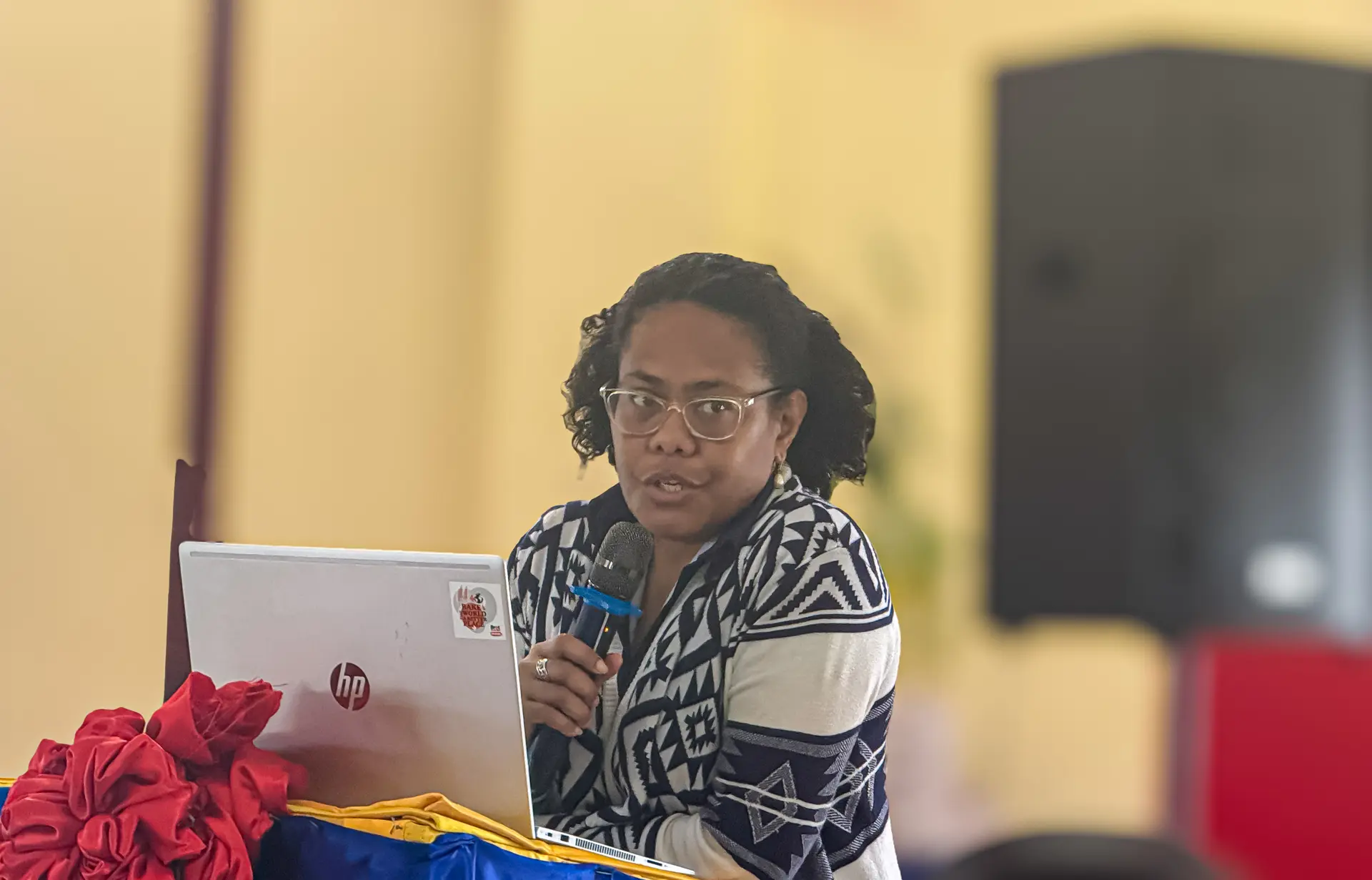
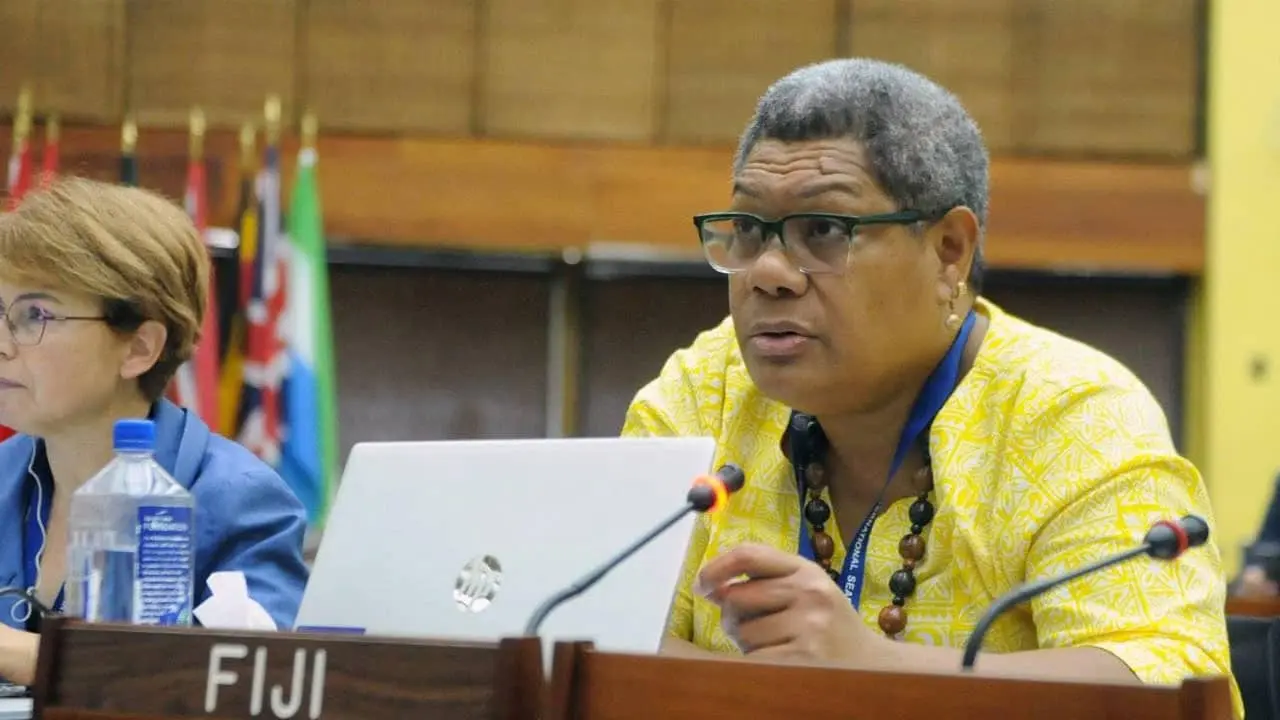
Fiji Council of Social Services executive director Vani Catanisiga at the National Training of Women Auditors on the Kacivaka Tool in Savusavu on September 21, 2026.
Photo: Talei Roko
Journalists have been urged to look beyond statistics and tell the human stories behind data collected from communities.
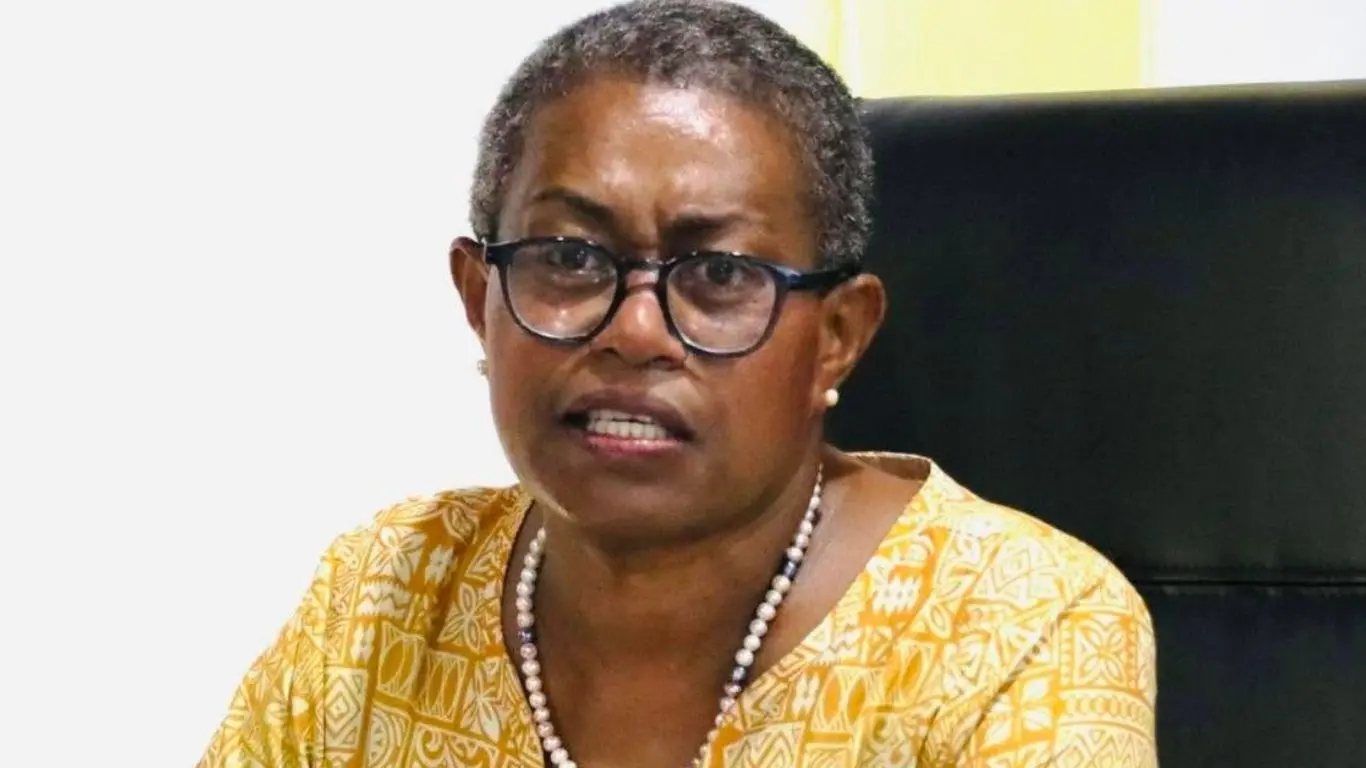
At the Women Auditors training on the Kacivaka Tool in Savusavu today, Fiji Council of Social Services (FCOSS) executive director Vani Catanasiga said evidence could help strengthen reporting and ensure community concerns were clearly presented.
“Tell the stories behind the data,” Ms Catanasiga said.
Related stories
“The data should help journalists understand the experiences of people and communities, particularly where access to services remains a concern.”
Ms Catanasiga said evidence-based storytelling could also help bring community issues to the attention of government agencies and decision-makers.
Journalist Viliame Tawanakoro said data was important in helping journalists understand what communities were experiencing at the grassroots level.
“As a journalist working with community workers and those who collect the data, it enables us to understand the person behind the data,” he said.
He said journalists played an important role in translating data into language that communities could understand.
“Every data represents something. It is more than just a percentage. Every data represents either a person or something that actually occurs in the community,” he said.
He said that understanding the data also gave stories greater weight by showing the scale and severity of issues affecting communities.
“It allows me to write a story to bridge that gap between the people who have collected the data and the community as well,” he said.
The Kacivaka Tool is being used to support community-level data collection and assessments of public services.
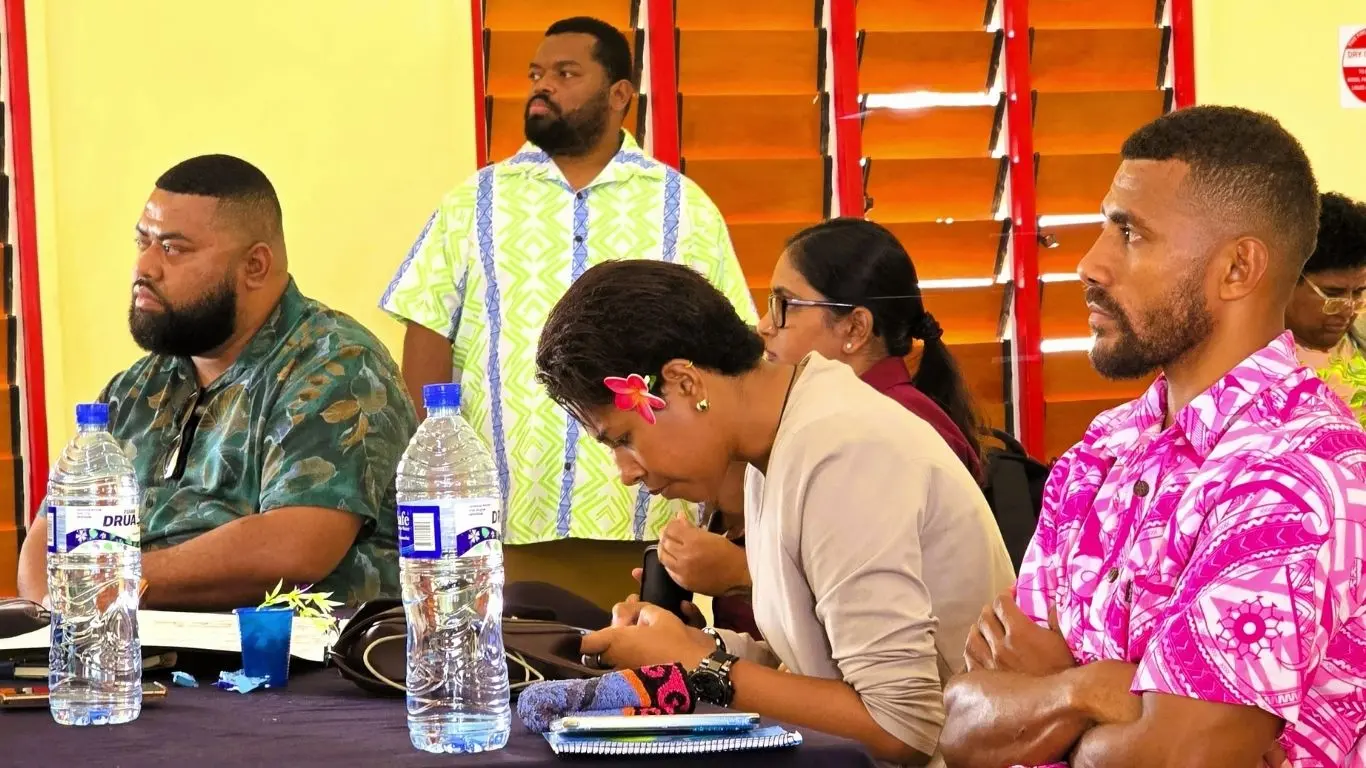
The training aims to equip women journalists and community leaders with skills to gather evidence that can contribute to stronger accountability and informed decision-making.
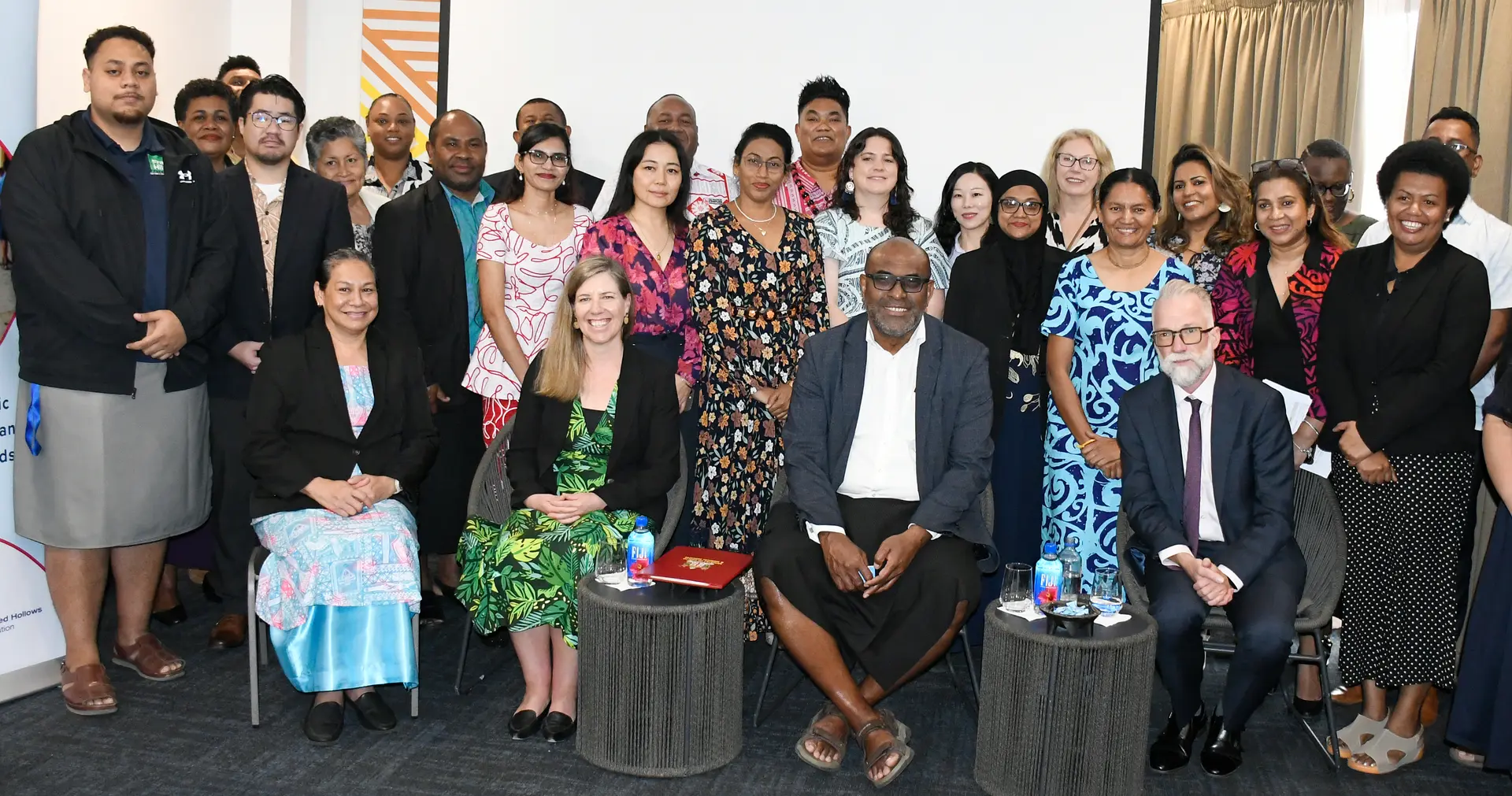
The programme is co-facilitated by FCOSS and Women in Media (WiM), with financial support from the Australia-Fijian Governance Partnership (AFGP) community engagement fund.
The WiM event is one of six pre-summit sessions being held ahead of the Pacific Islands News Association (PINA) Summit, which officially gets underway on Wednesday.