2013 immunity clauses retained in Constitution Bill
The Bill retains key immunity provisions from the 2013 Constitution, including clauses restricting legal challenges and changes to the immunities.
Thursday 15 October 2026 | 07:00

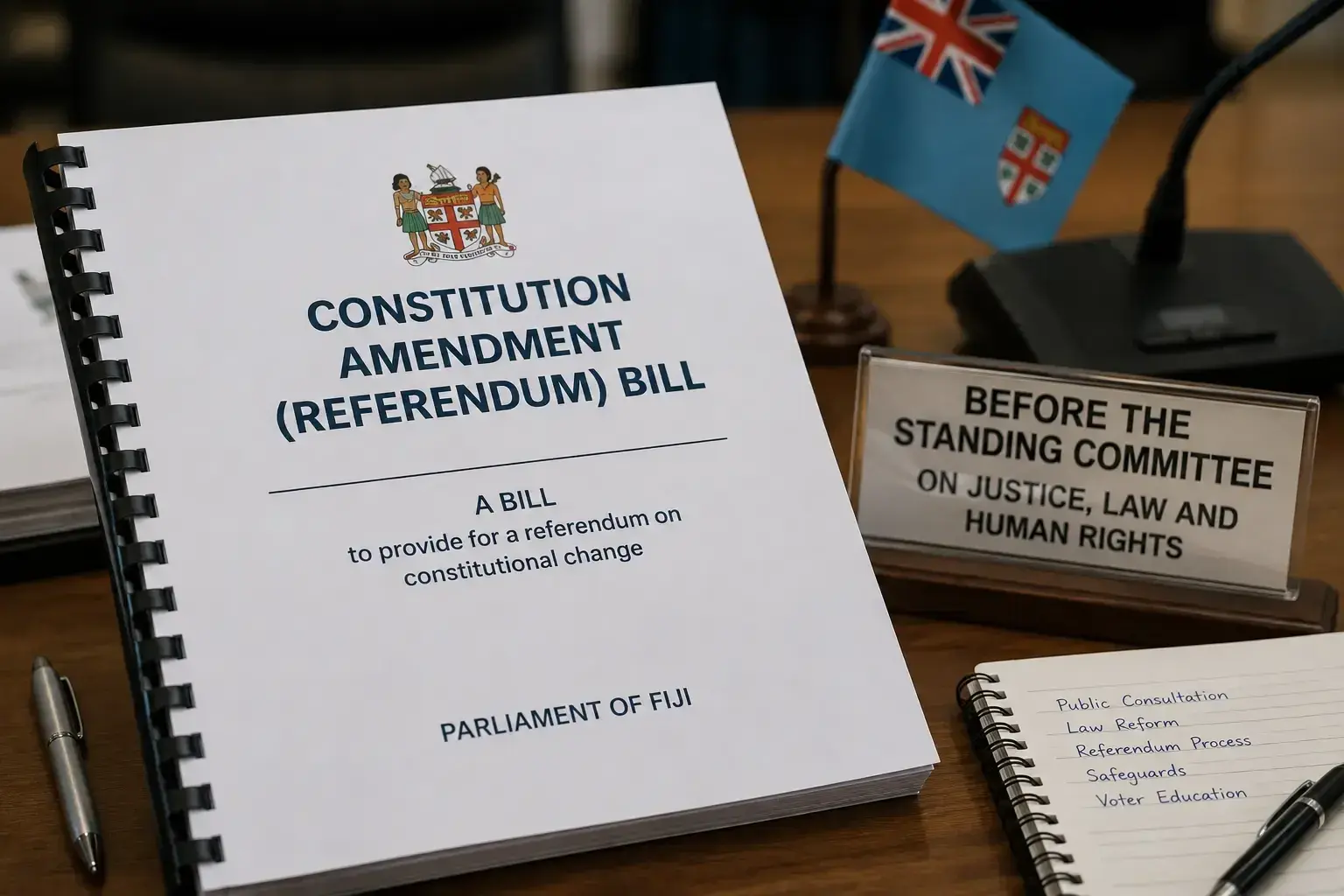
Absolute immunity for the President, Prime Minister, Cabinet ministers, the military, police, corrections service, judiciary and public servants over events dating back to December 5, 2006, is retained in the Constitution (Amendment) Bill 2026, with almost no change from the 2013 Constitution.
Prime Minister Sitiveni Rabuka has said the provisions remain because of a Supreme Court directive.
Few changes
Related stories
The immunity provisions move from Chapter 10 (sections 155 to 158) in the 2013 Constitution to Chapter 14 (sections 204 to 207) in the Bill.
The Bill replaces the word “Decree” with “Act” in references to the law governing the 2010 political events and the Crimes Act 2009.
Both texts grant “absolute and unconditional immunity”, “irrevocably”, to individuals “in their official or personal or individual capacity”.
However, offences under specified sections of the Crimes Act 2009 are excluded from the immunity provisions.
Both texts refer to “the date of the first sitting of the first Parliament elected after the commencement of this Constitution”. The Bill proposes that the new Constitution commence on March 31, 2028, although the President may set an earlier date.
Both texts state that the immunities “shall not be reviewed, amended, altered, repealed or revoked”.
The 2010 law “shall not be reviewed... by Parliament”, while “no court or tribunal shall have the jurisdiction” to hear a challenge.
Both texts also state: “No compensation shall be payable by the State.”
Feedback: kaneta.naimatau@fijisun.com.fj