Children as young as seven exploited in drug trade
She said one boy, who first came to their attention at the age of seven, had already been exposed to drugs.
Thursday 23 July 2026 | 07:00

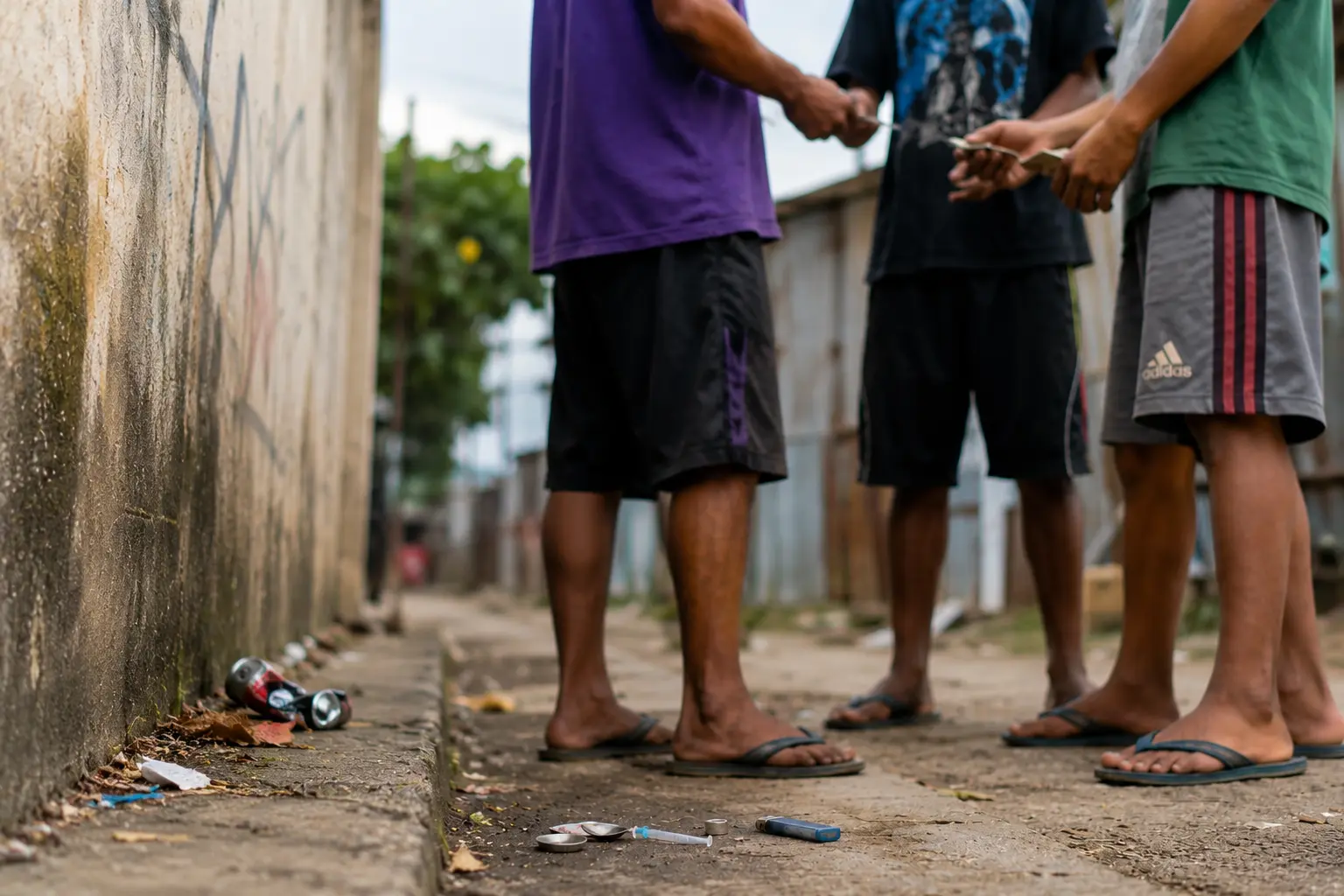
Salvation Army Fiji Division Commander Major Phillipa Serevi said the organisation had encountered street children who were already using drugs, with some being recruited to sell or transport drugs.
AI Generated
Children as young as seven are being exploited by drug traffickers and exposed to hard drugs, with the Salvation Army warning that Fiji's drug crisis is reaching some of the country's most vulnerable children.
Salvation Army Fiji Division Commander Major Phillipa Serevi said the organisation had encountered street children who were already using drugs, with some being recruited to sell or transport drugs.
She said one boy, who first came to their attention at the age of seven, had already been exposed to drugs and is now about nine or 10 years old.
Related stories
"If a seven-year-old can access drugs and become hooked, then how many more children are out there that we do not know about?" she said.
Major Serevi said many children living on the streets lacked family support, making them easy targets for drug traffickers.
"They are being used by drug lords to sell drugs, carry drugs or for other purposes. It is everywhere," she said.
She said Salvation Army workers initially believed many street children were only sniffing glue after finding soft drink bottles in their bags. However, they became alarmed when they later discovered needles.
"When we questioned them, they innocently explained how they prepared the drug known as batu, how they injected it and how they shared needles with others. That was a shock to us."
The warning comes as the Salvation Army prepares to open Fiji's first residential Drug and Alcohol Recovery Programme in September.
Major Serevi said an experienced addiction specialist from Australia had been seconded to Fiji for six months to train local staff and lead the programme.
She said the rehabilitation facility would undergo renovations before opening, while a New Zealand-based recovery model would be adapted to suit Fiji's culture and needs.
Clients will undergo a 12 to 15-week residential programme combining classroom learning with counselling, family involvement, home visits, and workshops on anger management, violent behaviour and withdrawal.
Major Serevi said recovery would continue well beyond the residential programme.
"We cannot expect someone who has lived with addiction for years to attend classes for 15 weeks and be completely rehabilitated. Many will return to the same environment and may relapse, but we will continue to support them."
She said experience in New Zealand, Tonga and Samoa showed that significantly more men than women sought treatment, a trend she expected would also be reflected in Fiji.